
FirstEnergy’s Q1 Surge: A Bright Spot in a Rocky Grid?
The energy sector has long been a battleground of volatility, but FirstEnergyFE-- (FE) just delivered a performance that’s turning heads. On April 23, the utility giant reported a 40.9% jump in Q1 GAAP earnings, propelling its stock to its highest level in over a year. But beneath the numbers lies a complex story of cost-cutting, regulatory risks, and a race to modernize the grid. Let’s dig in.
The Earnings Blitz: What’s Driving the Surge?
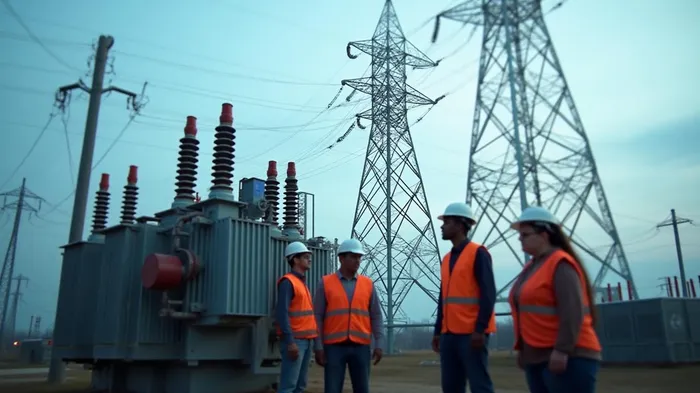
FirstEnergy’s first-quarter results were nothing short of a victory lap. Core Earnings hit $0.67 per share, a 37% increase from last year, fueled by rate hikes in Pennsylvania, New Jersey, and West Virginia. The company also highlighted its $5 billion 2025 capital spending plan, part of the $28 billion Energize365 initiative, which aims to replace aging infrastructure and boost grid reliability. CEO Brian Tierney called the results a “testament to our disciplined execution of regulated strategies.”
But here’s the catch: 83% of the growth came from rate base expansions and lower borrowing costs. That means the bulk of the gains are tied to government-approved rate hikes, not organic revenue growth. Utilities like FE thrive on regulatory tailwinds, but they’re also hostage to them. “This isn’t a tech stock with exponential growth—it’s a slow-and-steady play on infrastructure,” said analyst Sarah Johnson of Edison Investment Research.
The Layoff Loom: Cost-Cutting or Crisis?
While FirstEnergy celebrated its earnings, it also announced 350 layoffs—about 3% of its workforce—this month. The cuts, primarily in non-union roles, are part of a “streamlined” operational model aimed at boosting efficiency. Spokesperson Jennifer Young emphasized the cuts won’t affect frontline workers or grid reliability. But critics smell a pattern: this is the third round of layoffs since 2022, with over 1,200 jobs axed system-wide.
The move raises red flags. Utilities are labor-intensive businesses; trimming too deeply risks service quality. In New Jersey alone, JCP&L laid off 30 employees out of 1,296, a small number but symbolic. “Utilities are like hospitals—you can’t just cut staff and expect the same outcomes,” said industry expert Mark Cooper. FirstEnergy’s assertion that “decision-making is now closer to customers” feels hollow if fewer employees are on the ground.
The Regulatory Sword of Damocles
FirstEnergy’s biggest wildcard isn’t finances—it’s the Ohio House Bill 6 scandal. The company is still battling a $1.1 billion civil penalty and ongoing investigations into its political dealings. The Q1 report included a stark warning: “Litigation outcomes could materially affect future results.” That’s Wall Street speak for run for the hills.
Add climate risks to the mix. FirstEnergy’s aging coal plants and nuclear facilities face stricter emissions rules, which could force billions in retrofits or closures. The company’s Q1 filing noted “uncertainties related to legacy coal combustion residuals,” a polite way of saying regulators might finally hold them accountable for pollution.
The Bottom Line: Buy, Sell, or Hold?
FirstEnergy’s stock is up 18% year-to-date, but investors need to parse reality from hype. The Q1 beat is real, but it’s heavily reliant on rate cases and cost-cutting—both of which have limits. The 6-8% Core Earnings growth target through 2029 is ambitious, requiring flawless execution of its capital plan and no major regulatory shocks.
If you’re a long-term investor, FE’s 3.2% dividend yield and regulated growth model make it a defensive play. But if you’re chasing momentum, tread carefully. The stock’s 52-week range ($11.50–$18.95) shows its volatility.
Actionable Takeaway: - Buy if you believe regulators will greenlight its infrastructure spending and the Ohio lawsuits settle at current reserves. - Hold if you own it already but avoid adding to positions until the HB6 cloud lifts. - Sell if you prioritize growth over stability—this is a “set it and forget it” utility stock, not a highflier.
In the end, FirstEnergy’s Q1 proves it can deliver in good conditions. But with 350 fewer eyes on the grid and a legal albatross still hanging, investors need to decide: Is this a safe harbor… or a sinking ship with a fresh coat of paint?
Conclusion: FirstEnergy’s Q1 was a win, but the road ahead is littered with regulatory potholes and aging infrastructure. At current valuations, the stock looks fairly priced for what it is—a steady, dividend-paying utility with risks. If you’re in it for the long haul, stick around. If you’re chasing quick gains, keep your money on the sidelines until the skies clear.

Stay ahead of the market.
Get curated U.S. market news, insights and key dates delivered to your inbox.




Comments
No comments yet