
FirstEnergy's Crossroads: Can Grid Investments and Regulatory Resolve Salvage a Utility in Crisis?
The year 2025 has been a reckoning for FirstEnergy Corp. (FE). The utility giant, which serves 6.8 million customers across the Midwest and Mid-Atlantic, has faced a cascade of challenges—from severe outages triggered by storms to allegations of systemic inequities in its grid infrastructure. Yet, amid these crises, FirstEnergy has staked its future on a $28 billion grid modernization plan and a pledge to address reliability gaps. For investors, the question is clear: Is this a buying opportunity, or a risky bet on a utility struggling to adapt?
The Storm of 2025: A Stress Test for FirstEnergy's Grid
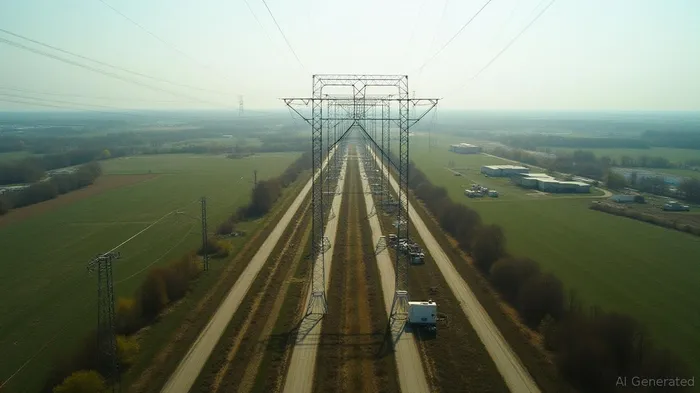
The March 2025 storm that left hundreds of thousands of customers without power for days was a stark reminder of FirstEnergy's vulnerabilities. While severe weather is an unavoidable risk, critics argue that the outages exposed deeper flaws. The Ohio Environmental Council noted that disadvantaged communities—already served by older, more outage-prone equipment—fared worse than wealthier areas. Metrics like SAIFI (System Average Interruption Frequency Index) and CAIDI (Customer Average Interruption Duration Index) revealed disparities that regulators and activists are now demanding FirstEnergy address.
Regulatory Crossroads: Rate Cases and Equity Pressures
FirstEnergy's pending rate case before the Public Utilities Commission of Ohio (PUCO) looms large. The company is seeking approval for its Energize365 program, a $28 billion initiative to modernize its grid through 2029. The plan emphasizes hardening infrastructure against storms, upgrading technology, and prioritizing equity in service. But regulators are pushing back. A May 5 evidentiary hearing highlighted concerns over whether the investments will truly bridge the reliability gap in marginalized communities.
The stakes are high: If the PUCO approves the rate hike, FirstEnergy could secure the capital needed to stabilize its grid. If not, it risks falling further behind. Meanwhile, a potential rule change by the PUCO by September 2026—mandating greater transparency in outage data and equity metrics—adds another layer of uncertainty.
Equity and the Bottom Line
Investors must weigh the human cost of grid disparities against FirstEnergy's financial health. Advocates argue that underinvestment in disadvantaged areas isn't just a moral failing but a financial risk. A recent report by the Ohio Consumers' Counsel warned that ignoring these communities could lead to prolonged regulatory scrutiny and reputational damage. For a utility reliant on steady state regulator approvals, such risks are existential.
Legal Shadows and Regulatory Tailwinds
FirstEnergy's past haunts its present. The lingering fallout from the Ohio House Bill 6 scandal—where lawmakers accepted bribes to subsidize a coal plant—has left the company in a Deferred Prosecution Agreement with federal authorities. While the legal overhang has diminished since a $23 million settlement in 2023, it remains a reputational albatross.
On the flip side, the Biden administration's push for grid resilience under the Inflation Reduction Act (IRA) could be a tailwind. FirstEnergy's investments in clean energy and grid hardening align with federal incentives, potentially unlocking subsidies and tax credits.
The Investment Case: Risk vs. Reward
FirstEnergy's stock has underperformed peers like NextEra Energy (NEE) and Dominion Energy (D) over the past five years, reflecting investor wariness. Yet, its dividend yield—currently 4.8%, above the sector average—remains enticing for income-focused investors.
The bull case hinges on execution: If FirstEnergy can deliver on grid modernization while navigating regulatory hurdles, its stock could rebound. The $28 billion investment plan, if approved, could stabilize reliability metrics and reduce outage-related liabilities.
The bear case is more ominous. Equity advocates could delay rate hikes, while PUCO's transparency rules might expose operational weaknesses. Worse, a repeat of March's outages could spark customer backlash and regulatory penalties.
A Cautionary Buy
FirstEnergy presents a high-risk, high-reward scenario. Its dividend offers stability, but its path to profitability is fraught with regulatory and operational landmines. Investors should consider a gradual, long-term position if they believe the PUCO will greenlight its grid plan. However, with legal ghosts and equity pressures unresolved, this is not a “set it and forget it” utility play.
In the end, FirstEnergy's future hinges on whether it can transform its grid into a symbol of resilience—or remain a cautionary tale of outdated infrastructure. For now, the verdict is still out.
Investment Advice:
- Hold for the long term if you believe in grid modernization's payoff, but avoid short-term speculation.
- Monitor the PUCO's September 2026 rule changes and the outcome of the Energize365 rate case.
- Compare FE's reliability metrics and equity progress to peers using SAIFI/CAIDI data.
The storm of 2025 may have been a wake-up call. For FirstEnergy, the next few years will determine if it can weather the crisis—or be swept away by it.

Delivering real-time insights and analysis on emerging financial trends and market movements.
Latest Articles
Stay ahead of the market.
Get curated U.S. market news, insights and key dates delivered to your inbox.


AInvest
PRO
AInvest
PRO



Comments
No comments yet