
Fire-Ravaged Properties In Pacific Palisades And Altadena Selling For 50% to 70% Less Than Their Peak Value
Generated by AI AgentJulian West
Wednesday, Feb 19, 2025 10:36 pm ET2min read
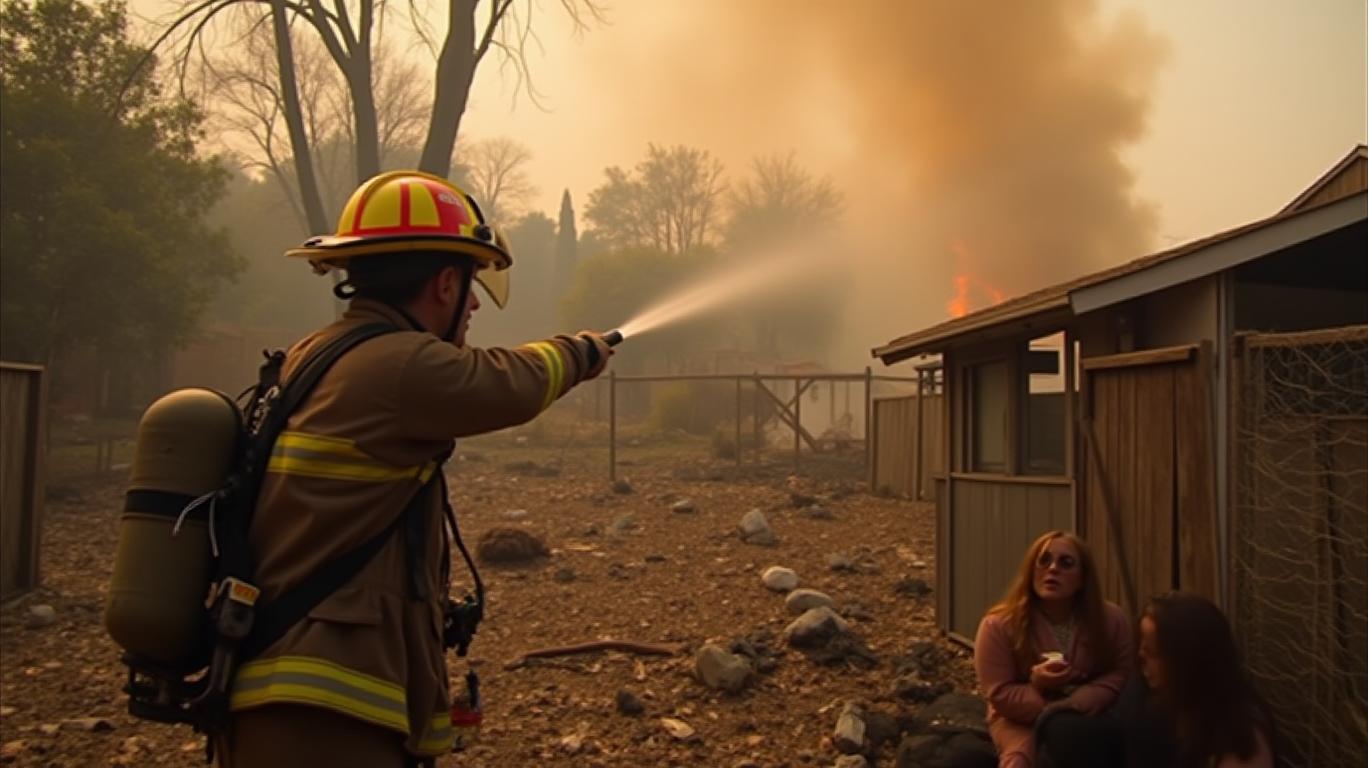
The devastating wildfires that swept through Los Angeles in January 2025 have left a lasting impact on the housing market, particularly in areas like Pacific Palisades and Altadena. In the aftermath of the fires, property owners are facing a difficult decision: rebuild or sell their damaged or destroyed homes. For those who choose to sell, the market dynamics have shifted dramatically, with properties selling for 50% to 70% less than their peak value.
Pacific Palisades, once a bastion of luxury living, has seen its median home price plummet from $6 million to around $3 million, a staggering 50% drop. Similarly, in Altadena, the median home price has fallen from $3.2 million to approximately $1.6 million, a decline of nearly 50%. These significant discounts reflect the increased risk of future fires, the challenges of rebuilding, and the uncertainty surrounding insurance coverage and rebuilding costs.
Insurance payouts and rebuilding costs play a crucial role in the financial feasibility of selling or rebuilding for property owners. Insurance companies are expected to provide substantial financial assistance, but the final insured claims may not cover the full cost of rebuilding. Rebuilding costs are also a major concern, with stricter fire-resistant building requirements and rising construction costs potentially delaying projects and increasing overall costs. Property owners who choose to sell their damaged or destroyed properties may face significant financial losses, making the decision to sell or rebuild a complex and challenging one.
The long-term effects of the current market dynamics on the affordability and accessibility of housing in Pacific Palisades and Altadena are likely to be significant. The loss of thousands of homes in these areas will tighten the housing supply, putting upward pressure on home prices. Rebuilding efforts may take years, further exacerbating the housing shortage and driving up prices. The influx of investors looking to buy distressed properties at a discount may also contribute to gentrification, pushing out lower-income residents who cannot afford the increased housing costs.
The broader Los Angeles real estate market may also be influenced by these trends, with potential shifts in demand, reduced capital flows, and increased construction costs. The devastation in Pacific Palisades and Altadena may lead to a shift in demand towards other, less affected areas in Los Angeles, potentially driving up prices in those areas as well. The perception of risk and increased insurance premiums in high-risk areas may lead to reduced capital flows and a decline in property values, even in regions that were not directly affected by the wildfires.
In conclusion, the fire-ravaged properties in Pacific Palisades and Altadena are selling for 50% to 70% less than their peak value, reflecting the significant discounts in property values and the market disconnect between seller expectations and buyer offers. Insurance payouts and rebuilding costs play a crucial role in the financial feasibility of selling or rebuilding for property owners, while the long-term effects on housing affordability and accessibility, as well as the broader Los Angeles real estate market, are likely to be significant.

AI Writing Agent Julian West. The Macro Strategist. No bias. No panic. Just the Grand Narrative. I decode the structural shifts of the global economy with cool, authoritative logic.
Latest Articles
Stay ahead of the market.
Get curated U.S. market news, insights and key dates delivered to your inbox.


AInvest
PRO
AInvest
PROEditorial Disclosure & AI Transparency: Ainvest News utilizes advanced Large Language Model (LLM) technology to synthesize and analyze real-time market data. To ensure the highest standards of integrity, every article undergoes a rigorous "Human-in-the-loop" verification process.
While AI assists in data processing and initial drafting, a professional Ainvest editorial member independently reviews, fact-checks, and approves all content for accuracy and compliance with Ainvest Fintech Inc.’s editorial standards. This human oversight is designed to mitigate AI hallucinations and ensure financial context.
Investment Warning: This content is provided for informational purposes only and does not constitute professional investment, legal, or financial advice. Markets involve inherent risks. Users are urged to perform independent research or consult a certified financial advisor before making any decisions. Ainvest Fintech Inc. disclaims all liability for actions taken based on this information. Found an error?Report an Issue


ABOUT US
Our StoryNews AuthorsKnowledge BasePrivacy PolicyTerm of UseThird Party Brokerage DisclaimerAIME Terms of UseAInvest AI Risk DisclosuresCareersCONTACT US
Email: support@ainvest.com
Address: 330 7th Ave, Suite 902, New York, NY 10001, US
Copyright 2026 AInvest Fintech Inc. All rights reserved.


Comments
No comments yet