
Fintech Innovation Trends for 2026: Opportunities, Regulation, and Consumer Impact
 Aime Summary
Fintech innovation in 2026 is accelerating with new AI tools, open banking frameworks, and digital asset integration. Regulatory responses, including proposed APR caps and sandbox programs, are reshaping the competitive landscape. Consumers and credit unions are raising concerns about affordability, transparency, and the risks of rapid tech adoption.
Fintech is no longer a niche buzzword—it's a seismic force reshaping finance, and 2026 is proving to be a pivotal year. From AI-driven payment platforms to new regulatory frameworks, the sector is evolving rapidly, creating both opportunities and risks for investors, financial institutions, and everyday users. Recent developments, including proposed legislation and consumer advocacy, highlight how the industry is grappling with balancing innovation with oversight. Retail investors and market participants need to understand where these changes are leading.
What Are the Key Fintech Innovation Trends in 2026?
Fintech innovation is no longer confined to startups; major financial institutions and regulators are now deeply involved. At the forefront are AI and machine learning, which are being embedded into payment platforms and customer service workflows. Open banking initiatives are also gaining momentum, enabling seamless data sharing across institutions and empowering third-party financial services.
Another major trend is the integration of digital assets into mainstream financial systems. Blockchain technology, for instance, is being used to modernize money transfers and reduce friction in cross-border payments. According to a recent issue of , executives from major banks and fintech firms are exploring ways to leverage these technologies for greater efficiency and financial inclusion.
At the same time, the industry is grappling with regulatory questions. The House Committee on Financial Services, for instance, is encouraging regulators to reduce unnecessary burdens and foster innovation. These efforts reflect a broader push to balance growth with oversight, ensuring that the financial ecosystem remains both dynamic and secure.
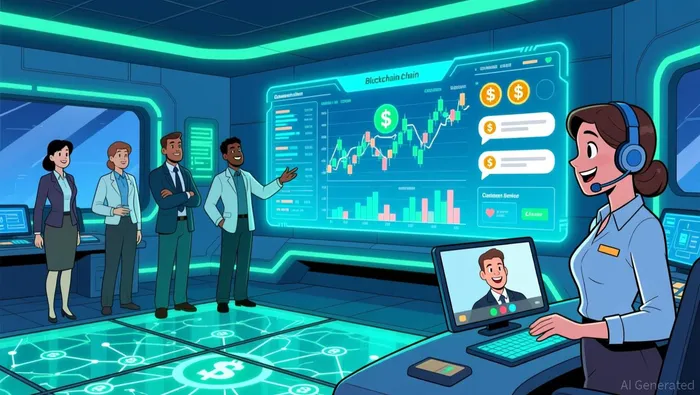
Why Is Fintech Regulation a Hot Topic in 2026?
Regulation is a double-edged sword in fintech. While it can protect consumers and reduce systemic risk, overly rigid rules can stifle innovation and favor large players who can afford compliance costs. For example, America's Credit Unions recently provided feedback on three key draft pieces of legislation, including the Financial Services Innovation Act of 2026, which seeks to establish a new office of innovation.
The EU is also taking regulatory action, with its Digital Markets Act and Digital Services Act set to be enforced more aggressively in 2026. This move has triggered a transatlantic tension, with the Trump administration threatening retaliatory tariffs against European companies like Spotify and DHL. These developments underscore how fintech innovation isn't just a technical or business story—it's also a geopolitical one.
Meanwhile, U.S. regulators like the Consumer Financial Protection Bureau (CFPB) are raising concerns about the risks of unsecured digital payment networks. The CFPB alleged that failures in network safeguards led to $870 million in customer losses over seven years. This reinforces the need for stronger oversight as fintech continues to expand into new markets.
How Are Fintech Innovations Affecting Consumers and Credit Unions?
For consumers, fintech is bringing both promise and risk. On one hand, new technologies are making financial services more accessible and personalized. On the other, there are growing concerns about transparency and affordability. One example is the proposed 10% APR cap on credit cards, which could offer relief to consumers but could also impact fintechs and acquirers that rely on high-interest-rate models.
Consumer advocacy groups like Consumer Reports are pushing for stronger safeguards to ensure fintech products remain affordable and trustworthy. This reflects a broader shift in the industry toward consumer-centric design and ethical AI, where user trust is a key differentiator.
Credit unions, which often serve smaller or more vulnerable communities, are particularly concerned about the impact of new regulations. They worry that increased costs and regulatory burdens could limit their ability to innovate and serve members. This highlights a key tension in the fintech space: how to foster innovation without excluding smaller players.
What to Watch in the Coming Months
The fintech landscape is moving quickly, and investors should keep an eye on several key developments in the coming months:
- Legislative activity: The House Financial Services Committee is holding hearings on fintech regulation, and new bills like the FUTURES Act and Model Risk Management Modernization Act could shape the industry for years to come.
- Regulatory enforcement: The EU's Digital Markets Act is entering a critical phase, and how it's enforced will have ripple effects across global markets.
- Consumer impact: As more fintech services enter the mainstream, consumer advocacy groups and regulatory bodies will play a larger role in shaping standards and expectations.
- Technological convergence: The integration of fintech with healthcare and robotics is opening new frontiers, and how banks and investors adapt will be crucial to long-term success.
In the end, fintech is about more than just new tools—it's about redefining the relationship between users and financial systems. For investors, staying ahead of the curve means understanding both the technology and the broader regulatory and social implications.

Stay ahead of the market.
Get curated U.S. market news, insights and key dates delivered to your inbox.


AInvest
PRO
AInvest
PRO



Comments
No comments yet