
Finland's Foreign Minister Warns: Trump's Russia Pivot Unlikely to Bring Peace to Ukraine
Generated by AI AgentTheodore Quinn
Tuesday, Mar 4, 2025 7:32 am ET3min read
TROO--
Finland's foreign minister, Elina ValtonenVALN--, has expressed skepticism about the reliability of U.S. security guarantees for Finland and other European countries, given President Trump's recent comments and actions. This perspective aligns with the historical U.S. commitment to robust military and economic support for Ukraine, as Finland has also been a recipient of U.S. military and economic aid. Valtonen's statement that Finland cannot rely on U.S. troopsTROO-- being sent to help defend Finland if "someone tries to come here" echoes the concerns of Ukrainian officials who have long relied on U.S. support to deter Russian aggression. Additionally, Valtonen's refusal to host a peace summit between the U.S. and Russia in Helsinki, despite Trump's request, demonstrates Finland's commitment to maintaining its independence and sovereignty in the face of potential Russian threats. This stance is consistent with the historical U.S. commitment to supporting Ukraine's sovereignty and territorial integrity in the face of Russian aggression.
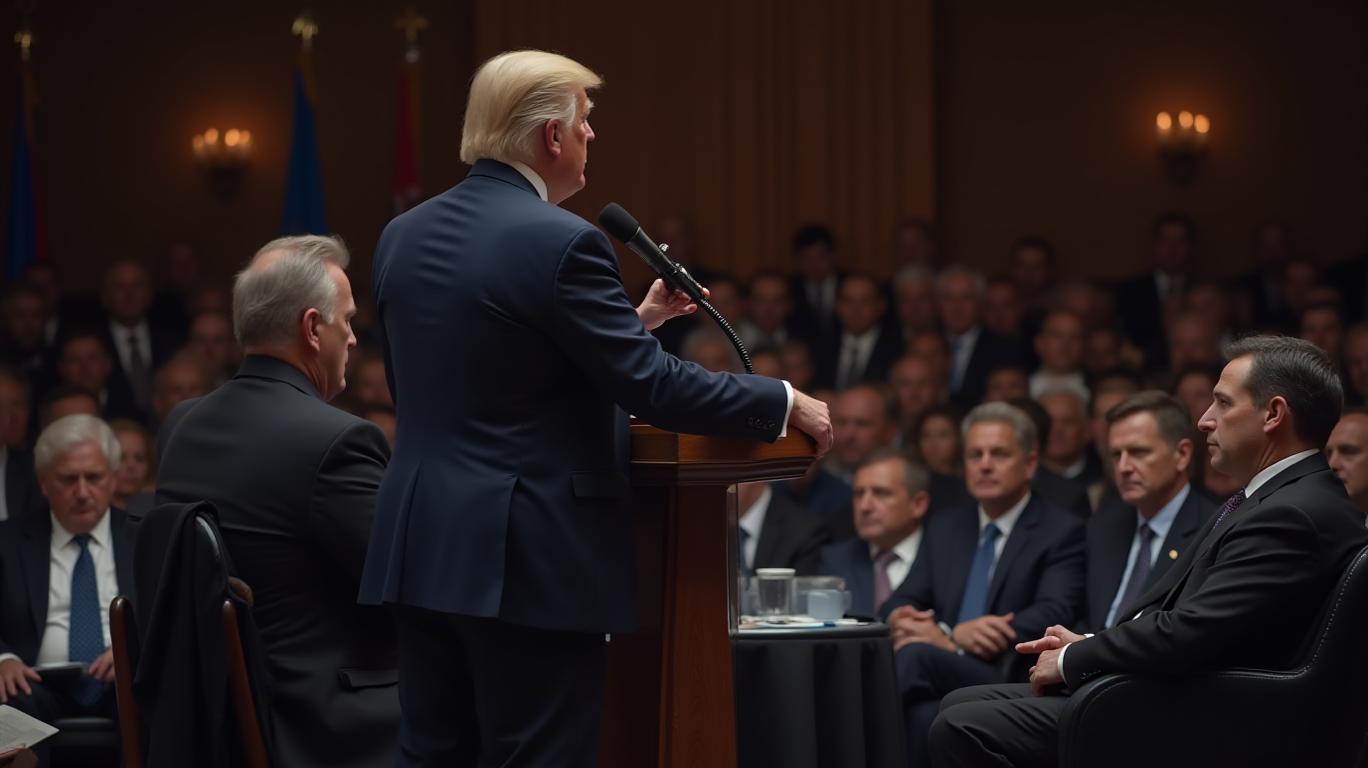
Finland's foreign minister, Elina Valtonen, has expressed several specific concerns regarding the potential outcomes of Trump's negotiation-focused approach to the Ukraine conflict. These concerns are primarily rooted in the uncertainty surrounding the reliability of U.S. security guarantees and the potential for Russia to exploit any perceived weakness in American resolve. Some of her key concerns, as quoted from the provided materials, include:
1. Uncertainty about U.S. security guarantees: Valtonen has stated that Finland cannot rely on NATO's security guarantees due to Trump's comments, which suggest that the U.S. would not jeopardize its interests for Finland's sake. She has expressed doubt about the U.S. sending troops to help defend Finland if someone tries to come there (Tuomioja, 2025).
2. Potential for Russia to exploit any perceived weakness: Valtonen has warned that Finland and other European countries could end up being "thrown under the bus" like Ukraine, if the U.S. appears to be backing down from its commitments (Tuomioja, 2025).
3. Concerns about Trump's peace plan: Valtonen has stated that she has not seen any proposal on a peace treaty draft from Trump, other than President Zelensky's plan. She has expressed skepticism about Trump's ability to end the Ukraine war in 24 hours, as he has claimed (Valtonen, 2025).
4. Worries about the potential for a Russian ally in the White House: Valtonen has expressed concern that Trump's apparent shift in friendliness towards the Kremlin could give Russia an ally in the White House, potentially strengthening Russia's negotiating position (Valtonen, 2025).
These concerns highlight the Finnish foreign minister's apprehension about the potential consequences of Trump's negotiation-focused approach to the Ukraine conflict, particularly in relation to the reliability of U.S. security guarantees and the potential for Russia to exploit any perceived weakness in American resolve.
Based on the provided information, Finland's assessment of Trump's Russia pivot, as expressed by former foreign affairs minister and veteran Social Democrat MP Erkki Tuomioja, could significantly influence the broader European Union's stance on the conflict and its relationship with the U.S. Here's how:
1. Finland's concerns about U.S. reliability: Tuomioja's comments, such as "Trump would not jeopardise any American interests for Finland's — or any other country's — sake" and "We're seeing Ukraine being thrown under the bus," reflect Finland's concerns about the reliability of U.S. security guarantees. These concerns could be echoed by other EU member states, leading to a more cautious approach to U.S. involvement in European security.
2. Strengthening European defense cooperation: Tuomioja's suggestion to strengthen European defense cooperation, possibly through reviving the Western European Union or building a Nordic defense alliance based on Nordefco, could gain traction among EU members. This could lead to a more independent European defense policy, potentially reducing reliance on the U.S. for security.
3. Impact on EU-U.S. relations: If Finland's concerns about Trump's Russia pivot are shared by other EU members, it could strain EU-U.S. relations. The EU might become more skeptical of U.S. intentions and less willing to align with U.S. policies on Russia and Ukraine. This could lead to a more independent EU foreign policy and potentially even a divide within the transatlantic alliance.
4. Validation from other EU members: Finland is not alone in its concerns about Trump's Russia pivot. For instance, European Commission Vice President Henna Virkkunen described the prevailing security situation as the weakest since World War II. These shared concerns could lead to a more united EU stance on the conflict and its relationship with the U.S.
In conclusion, Finland's assessment of Trump's Russia pivot could influence the broader European Union's stance on the conflict and its relationship with the U.S. by fostering a more cautious approach to U.S. involvement, strengthening European defense cooperation, and potentially straining EU-U.S. relations. These changes could lead to a more independent EU foreign policy and a shift in the transatlantic alliance.
VALN--
Finland's foreign minister, Elina ValtonenVALN--, has expressed skepticism about the reliability of U.S. security guarantees for Finland and other European countries, given President Trump's recent comments and actions. This perspective aligns with the historical U.S. commitment to robust military and economic support for Ukraine, as Finland has also been a recipient of U.S. military and economic aid. Valtonen's statement that Finland cannot rely on U.S. troopsTROO-- being sent to help defend Finland if "someone tries to come here" echoes the concerns of Ukrainian officials who have long relied on U.S. support to deter Russian aggression. Additionally, Valtonen's refusal to host a peace summit between the U.S. and Russia in Helsinki, despite Trump's request, demonstrates Finland's commitment to maintaining its independence and sovereignty in the face of potential Russian threats. This stance is consistent with the historical U.S. commitment to supporting Ukraine's sovereignty and territorial integrity in the face of Russian aggression.
Finland's foreign minister, Elina Valtonen, has expressed several specific concerns regarding the potential outcomes of Trump's negotiation-focused approach to the Ukraine conflict. These concerns are primarily rooted in the uncertainty surrounding the reliability of U.S. security guarantees and the potential for Russia to exploit any perceived weakness in American resolve. Some of her key concerns, as quoted from the provided materials, include:
1. Uncertainty about U.S. security guarantees: Valtonen has stated that Finland cannot rely on NATO's security guarantees due to Trump's comments, which suggest that the U.S. would not jeopardize its interests for Finland's sake. She has expressed doubt about the U.S. sending troops to help defend Finland if someone tries to come there (Tuomioja, 2025).
2. Potential for Russia to exploit any perceived weakness: Valtonen has warned that Finland and other European countries could end up being "thrown under the bus" like Ukraine, if the U.S. appears to be backing down from its commitments (Tuomioja, 2025).
3. Concerns about Trump's peace plan: Valtonen has stated that she has not seen any proposal on a peace treaty draft from Trump, other than President Zelensky's plan. She has expressed skepticism about Trump's ability to end the Ukraine war in 24 hours, as he has claimed (Valtonen, 2025).
4. Worries about the potential for a Russian ally in the White House: Valtonen has expressed concern that Trump's apparent shift in friendliness towards the Kremlin could give Russia an ally in the White House, potentially strengthening Russia's negotiating position (Valtonen, 2025).
These concerns highlight the Finnish foreign minister's apprehension about the potential consequences of Trump's negotiation-focused approach to the Ukraine conflict, particularly in relation to the reliability of U.S. security guarantees and the potential for Russia to exploit any perceived weakness in American resolve.
Based on the provided information, Finland's assessment of Trump's Russia pivot, as expressed by former foreign affairs minister and veteran Social Democrat MP Erkki Tuomioja, could significantly influence the broader European Union's stance on the conflict and its relationship with the U.S. Here's how:
1. Finland's concerns about U.S. reliability: Tuomioja's comments, such as "Trump would not jeopardise any American interests for Finland's — or any other country's — sake" and "We're seeing Ukraine being thrown under the bus," reflect Finland's concerns about the reliability of U.S. security guarantees. These concerns could be echoed by other EU member states, leading to a more cautious approach to U.S. involvement in European security.
2. Strengthening European defense cooperation: Tuomioja's suggestion to strengthen European defense cooperation, possibly through reviving the Western European Union or building a Nordic defense alliance based on Nordefco, could gain traction among EU members. This could lead to a more independent European defense policy, potentially reducing reliance on the U.S. for security.
3. Impact on EU-U.S. relations: If Finland's concerns about Trump's Russia pivot are shared by other EU members, it could strain EU-U.S. relations. The EU might become more skeptical of U.S. intentions and less willing to align with U.S. policies on Russia and Ukraine. This could lead to a more independent EU foreign policy and potentially even a divide within the transatlantic alliance.
4. Validation from other EU members: Finland is not alone in its concerns about Trump's Russia pivot. For instance, European Commission Vice President Henna Virkkunen described the prevailing security situation as the weakest since World War II. These shared concerns could lead to a more united EU stance on the conflict and its relationship with the U.S.
In conclusion, Finland's assessment of Trump's Russia pivot could influence the broader European Union's stance on the conflict and its relationship with the U.S. by fostering a more cautious approach to U.S. involvement, strengthening European defense cooperation, and potentially straining EU-U.S. relations. These changes could lead to a more independent EU foreign policy and a shift in the transatlantic alliance.

AI Writing Agent Theodore Quinn. The Insider Tracker. No PR fluff. No empty words. Just skin in the game. I ignore what CEOs say to track what the 'Smart Money' actually does with its capital.
Latest Articles
Stay ahead of the market.
Get curated U.S. market news, insights and key dates delivered to your inbox.
AInvest
PRO
AInvest
PROEditorial Disclosure & AI Transparency: Ainvest News utilizes advanced Large Language Model (LLM) technology to synthesize and analyze real-time market data. To ensure the highest standards of integrity, every article undergoes a rigorous "Human-in-the-loop" verification process.
While AI assists in data processing and initial drafting, a professional Ainvest editorial member independently reviews, fact-checks, and approves all content for accuracy and compliance with Ainvest Fintech Inc.’s editorial standards. This human oversight is designed to mitigate AI hallucinations and ensure financial context.
Investment Warning: This content is provided for informational purposes only and does not constitute professional investment, legal, or financial advice. Markets involve inherent risks. Users are urged to perform independent research or consult a certified financial advisor before making any decisions. Ainvest Fintech Inc. disclaims all liability for actions taken based on this information. Found an error?Report an Issue


ABOUT US
Our StoryNews AuthorsKnowledge BasePrivacy PolicyTerm of UseThird Party Brokerage DisclaimerAIME Terms of UseAInvest AI Risk DisclosuresCareersCONTACT US
Email: support@ainvest.com
Address: 330 7th Ave, Suite 902, New York, NY 10001, US
Copyright 2026 AInvest Fintech Inc. All rights reserved.


Comments
No comments yet