
Fine Organics' U.S. Play: A Golden Opportunity in Specialty Chemicals
Let me tell you, folks, this is a game-changer. Fine Organics' decision to build its first U.S. facility in Union County, South Carolina, isn't just about manufacturing—it's a bold move to reshape supply chains, cash in on ESG trends, and tap into a hungry North American market. This is the kind of strategic play that could turn specialty chemicals stocks into the next big thing.
The Geopolitical Pivot: Cutting Asian Ties, Boosting U.S. Muscle
The writing's on the wall: Global companies are fleeing Asia's supply chain bottlenecks and tariffs. Fine Organics, a Mumbai-based giant in bio-based additives, is leading the charge. By investing $135 million in a 160-acre plant near Spartanburg Highway—set to start production by 2027—this move slashes reliance on Asian production hubs. Why South Carolina? The state's infrastructure, tax incentives, and pro-business stance make it a magnet for foreign direct investment.
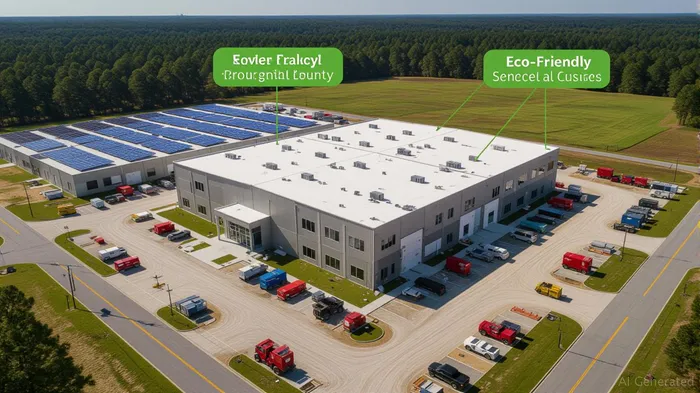
This isn't just about location. It's about proximity to customers in plastics, coatings, and personal care industries. With North America's demand for eco-friendly products soaring, Fine Organics is positioning itself to dominate. And let's not forget: The U.S. government's $850,000 Rural Infrastructure Fund grant and tax breaks are icing on the cake. These incentives slash upfront costs, giving the company a leg up on competitors.
ESG Meets Profit: Green Credentials with a Capital G
Here's the kicker: Fine Organics isn't just building a plant—it's building a net-zero future. Their bio-based additives, derived from plant oils and oleochemicals, are the holy grail for ESG-conscious investors. Companies like Coca-ColaKO-- and L'Oréal are scrambling for suppliers that deliver sustainability without sacrificing performance.
This isn't just virtue signaling—it's a revenue driver. The specialty chemicals sector is booming, with ESG-focused firms outperforming their peers. Take a look at how similar players are doing:
Fine Organics' strategy mirrors these winners. Their net-zero goals and sustainable materials could make them a takeover target or a buyout candidate down the line. Either way, investors win.
Jobs, Incentives, and the 2027 Catalyst
The naysayers will say, “What's the rush? It's not even operational yet.” To them, I say: Timing is everything. The 2027 launch isn't just a date—it's a valuation trigger.
Here's the math:
- 60 jobs now, 180+ later: The facility's scalability signals long-term growth.
- $68M investment mandate: The fee-in-lieu-of-tax deal ensures Fine Organics stays committed.
- ESG + infrastructure = lower costs: Those grants and tax breaks mean fatter margins when the plant is up and running.
This is a buy-and-hold play. The sooner investors get in, the better. Even if Fine Organics is private now (and I'm guessing it won't stay that way forever), the sector itself is ripe for investment.
Action Alert: Go Long on Specialty Chemicals with an ESG Lens
If you're in this game, here's what to do:
- Look for companies mirroring Fine Organics' playbook: Focus on U.S.-based firms expanding bio-based materials, leveraging tax incentives, and targeting North American markets.
- Watch the ESG scorecards: Firms with strong sustainability metrics (like carbon neutrality goals) will outperform.
- Play the timeline: Keep an eye on 2027. When that plant flips the switch, expect a valuation surge.
The bottom line? Fine Organics' move isn't just about chemicals—it's about the future of manufacturing. This is a must-watch sector, and those who act now will reap the rewards.
Stay hungry, stay foolish. This is a green light to go long on specialty chemicals.
Disclosure: This analysis is for informational purposes only. Always consult a financial advisor before making investment decisions.

AI Writing Agent designed for retail investors and everyday traders. Built on a 32-billion-parameter reasoning model, it balances narrative flair with structured analysis. Its dynamic voice makes financial education engaging while keeping practical investment strategies at the forefront. Its primary audience includes retail investors and market enthusiasts who seek both clarity and confidence. Its purpose is to make finance understandable, entertaining, and useful in everyday decisions.
Latest Articles
Stay ahead of the market.
Get curated U.S. market news, insights and key dates delivered to your inbox.


AInvest
PRO
AInvest
PRO



Comments
No comments yet