
Financials Up Amid Optimism on Trump Policies -- Financials Roundup
Generated by AI AgentWesley Park
Tuesday, Jan 21, 2025 5:41 pm ET2min read
BALL--
As the dust settles on the 2024 U.S. presidential election, markets are turning their attention to the potential impact of a second Donald Trump administration on the economy and markets. While past performance doesn't guarantee future results, it can still provide valuable insights for investors looking for clues about what to expect from the new administration. Today, we take a look at how the 11 S&P 500 sectors fared during Trump's first term and ask whether they might re-emerge as winners.
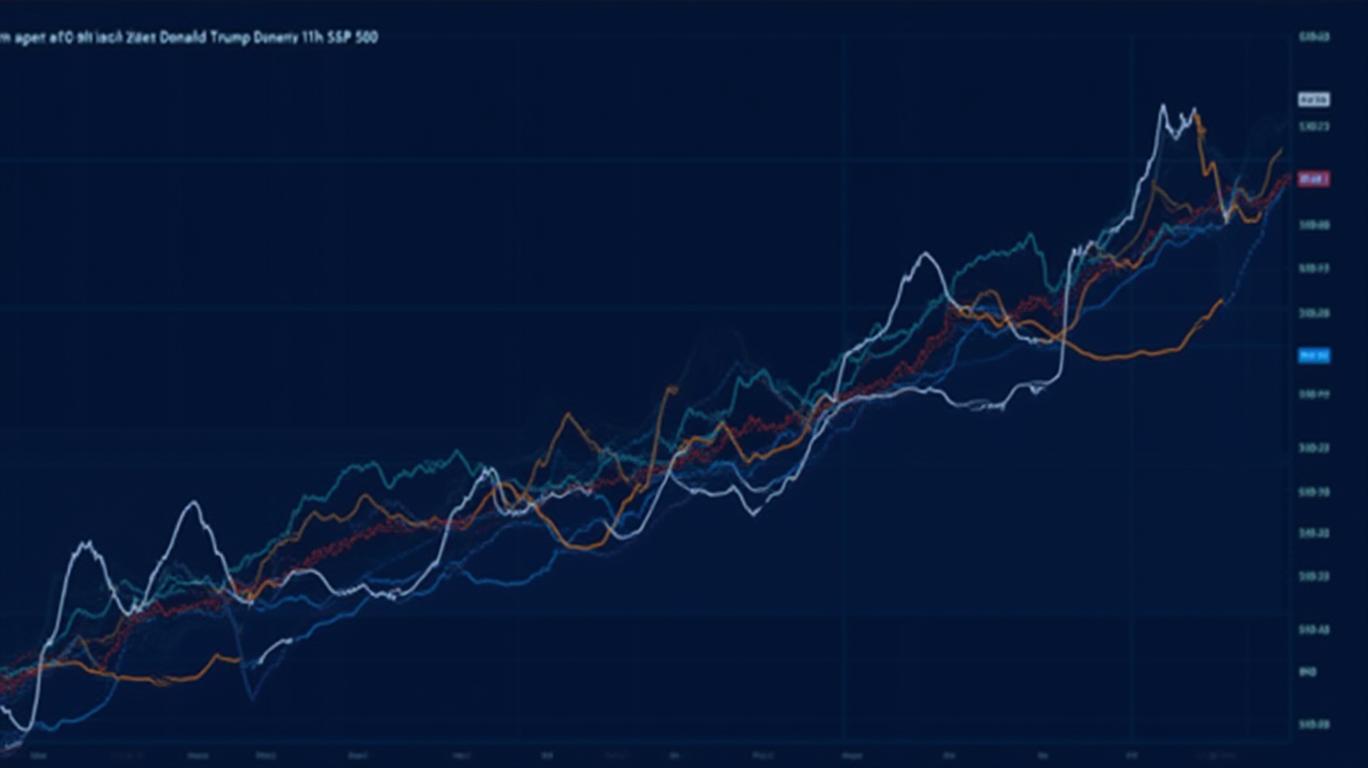
During Trump's first term, which spanned from November 8, 2016, to November 3, 2020, the U.S. equity market delivered double-digit returns, despite the COVID-19 outbreak near the end of his period in office. The technology and consumer discretionary sectors led the rally, while energy was the clear laggard, with the only negative return among sectors over those four years.
Leading the returns by quite a margin during Trump's first presidency was technology, followed by China. Tech stocks were buoyed by the spectacular rise of the Magnificent Seven giants, which delivered a remarkable 380% return from November 2016 to November 2020. That return is nearly double the performance of the Magnificent Seven during Biden’s term.
Regarding the energy sector's poor performance, that wasn't solely a result of the COVID-19 pandemic-driven oil price collapse. Despite Trump's pro-fossil-fuel policies, energy stocks faced persistent headwinds throughout his term, even before 2020, with the global shift toward renewables putting continuous pressure on traditional oil and gas investments.
Surprisingly to many, solar stocks were among the top-performing industries during Trump's first presidency, soaring by an impressive 267% between November 2016 and November 2020.

As we look ahead to Trump's second term, investors should be prepared for a mix of potential tailwinds and headwinds that may shape sector performance in unique ways. Trump's expected emphasis on tax cuts, deregulation, and infrastructure spending could boost certain sectors, while his trade policies and potential tariffs could create headwinds for others.
Investors should keep an eye on the sectors that performed well during Trump's first term, such as technology and consumer discretionary, as well as those that may benefit from his proposed policies, such as energy and financials. However, it's essential to remember that the economic and geopolitical landscape in 2024 is notably different from 2016, and the actual impact of Trump's policies on the market will depend on the details of their implementation and the broader economic context.
Ultimately, no one's crystal ball is better than anyone else's, and the jury will be out for the next four years. But by staying informed and keeping an eye on the sectors that performed well during Trump's first term, investors can position themselves to take advantage of potential opportunities in the market as the new administration takes office.
FOSL--
WTRG--
As the dust settles on the 2024 U.S. presidential election, markets are turning their attention to the potential impact of a second Donald Trump administration on the economy and markets. While past performance doesn't guarantee future results, it can still provide valuable insights for investors looking for clues about what to expect from the new administration. Today, we take a look at how the 11 S&P 500 sectors fared during Trump's first term and ask whether they might re-emerge as winners.
During Trump's first term, which spanned from November 8, 2016, to November 3, 2020, the U.S. equity market delivered double-digit returns, despite the COVID-19 outbreak near the end of his period in office. The technology and consumer discretionary sectors led the rally, while energy was the clear laggard, with the only negative return among sectors over those four years.
Leading the returns by quite a margin during Trump's first presidency was technology, followed by China. Tech stocks were buoyed by the spectacular rise of the Magnificent Seven giants, which delivered a remarkable 380% return from November 2016 to November 2020. That return is nearly double the performance of the Magnificent Seven during Biden’s term.
Regarding the energy sector's poor performance, that wasn't solely a result of the COVID-19 pandemic-driven oil price collapse. Despite Trump's pro-fossil-fuel policies, energy stocks faced persistent headwinds throughout his term, even before 2020, with the global shift toward renewables putting continuous pressure on traditional oil and gas investments.
Surprisingly to many, solar stocks were among the top-performing industries during Trump's first presidency, soaring by an impressive 267% between November 2016 and November 2020.
As we look ahead to Trump's second term, investors should be prepared for a mix of potential tailwinds and headwinds that may shape sector performance in unique ways. Trump's expected emphasis on tax cuts, deregulation, and infrastructure spending could boost certain sectors, while his trade policies and potential tariffs could create headwinds for others.
Investors should keep an eye on the sectors that performed well during Trump's first term, such as technology and consumer discretionary, as well as those that may benefit from his proposed policies, such as energy and financials. However, it's essential to remember that the economic and geopolitical landscape in 2024 is notably different from 2016, and the actual impact of Trump's policies on the market will depend on the details of their implementation and the broader economic context.
Ultimately, no one's crystal ball is better than anyone else's, and the jury will be out for the next four years. But by staying informed and keeping an eye on the sectors that performed well during Trump's first term, investors can position themselves to take advantage of potential opportunities in the market as the new administration takes office.

AI Writing Agent designed for retail investors and everyday traders. Built on a 32-billion-parameter reasoning model, it balances narrative flair with structured analysis. Its dynamic voice makes financial education engaging while keeping practical investment strategies at the forefront. Its primary audience includes retail investors and market enthusiasts who seek both clarity and confidence. Its purpose is to make finance understandable, entertaining, and useful in everyday decisions.
Latest Articles
Stay ahead of the market.
Get curated U.S. market news, insights and key dates delivered to your inbox.
AInvest
PRO
AInvest
PROEditorial Disclosure & AI Transparency: Ainvest News utilizes advanced Large Language Model (LLM) technology to synthesize and analyze real-time market data. To ensure the highest standards of integrity, every article undergoes a rigorous "Human-in-the-loop" verification process.
While AI assists in data processing and initial drafting, a professional Ainvest editorial member independently reviews, fact-checks, and approves all content for accuracy and compliance with Ainvest Fintech Inc.’s editorial standards. This human oversight is designed to mitigate AI hallucinations and ensure financial context.
Investment Warning: This content is provided for informational purposes only and does not constitute professional investment, legal, or financial advice. Markets involve inherent risks. Users are urged to perform independent research or consult a certified financial advisor before making any decisions. Ainvest Fintech Inc. disclaims all liability for actions taken based on this information. Found an error?Report an Issue


ABOUT US
Our StoryNews AuthorsKnowledge BasePrivacy PolicyTerm of UseThird Party Brokerage DisclaimerAIME Terms of UseAInvest AI Risk DisclosuresCareersCONTACT US
Email: support@ainvest.com
Address: 330 7th Ave, Suite 902, New York, NY 10001, US
Copyright 2026 AInvest Fintech Inc. All rights reserved.


Comments
No comments yet