
Financial Week Ahead: A Pivotal Week with Trump's Tariff Showdown and Musk's Trillion-Dollar Gamble


As markets brace for a volatile stretch, the coming days promise a confluence of high-stakes legal drama, corporate reckonings, and economic signals that could reshape investor sentiment.
With the Supreme Court poised to weigh in on President Donald Trump's expansive tariff regime, TeslaTSLA-- shareholders deciding Elon Musk's unprecedented compensation, and Federal Reserve officials breaking their silence on policy paths, the week underscores the interplay between executive power, innovation bets, and monetary caution. Layer in earnings from tech bellwethers like Palantir, AMD, and Qualcomm, and the narrative sharpens: a test of boundaries in Washington, Silicon Valley ambition, and the relentless march of AI-driven growth.
Nov 5th: The Supreme Court's Tariff Crucible
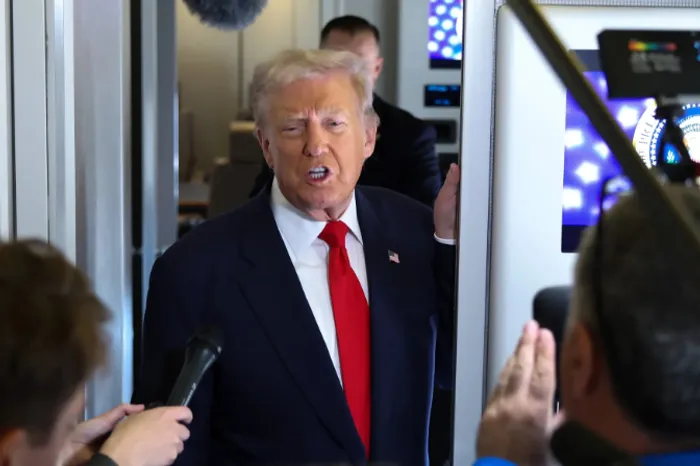
Wednesday, Nov 5th's oral arguments at the Supreme Court mark a watershed moment in Trump's bid to wield unchecked economic authority.
At issue: the president's invocation of the 1977 International Emergency Economic Powers Act (IEEPA) to slap sweeping tariffs—up to 100% on Chinese imports—aimed at curbing fentanyl flows and reviving U.S. manufacturing. Lower courts have rebuked this as an overreach, arguing it encroaches on Congress's taxation domain, but Trump's team urges reversal, framing it as essential emergency power.
This case doesn't stand alone. It arrives amid a pattern of Supreme Court deference to Trump, who has notched 17 wins out of 23 emergency appeals in his second term. The justices have greenlit his slashing of federal bureaucracy, firing heads of independent agencies like the Federal Trade Commission and National Labor Relations Board, and freezing billions in congressionally mandated spending—over $425 billion by some estimates. Chief Justice John G. Roberts Jr., a proponent of the unitary executive theory from his Reagan-era days, has authored rulings portraying the president as a singular branch with "sweeping powers and duties." Last year's immunity decision for official acts amplified this, drawing sharp dissents from liberals like Justice Sonia Sotomayor, who warned of a "king above the law."
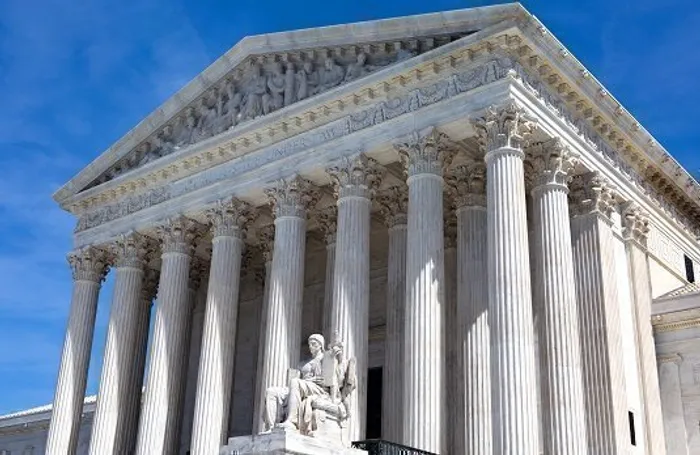
Critics see a court "raring to take action," as Justice Elena Kagan put it, eroding precedents like 1935's Humphrey's Executor, which shielded agencies from political firings. Emergency docket rulings—fast-tracked without full deliberation—have provisionally empowered Trump to downsize agencies, outsource Education Department functions, and withhold aid for programs misaligned with his priorities. Historians like Matthew Dallek note this deference exceeds modern norms, absent a national crisis akin to the Civil War or Great Depression.
For markets, the stakes are immense. A ruling against Trump could trigger refunds for businesses battered by levies, easing pressures on importers and manufacturers. Upholding them might embolden further executive moves, including challenges to the Federal Reserve's independence in January or dismantling 90-year-old agency protections in November. As political scientist Graham G. Dodds observes, Trump's actions seem designed to provoke tests, betting on a sympathetic court. White House spokeswoman Abigail Jackson defends it as vindicating voter mandates against "liberal activist judges." Investors eyeing trade-sensitive sectors should watch for volatility, as this decision—expected by summer—could redefine presidential economic sway in an era of muted congressional pushback.
Nov 6th: Tesla's Vote: Musk's Pay and the Road Ahead
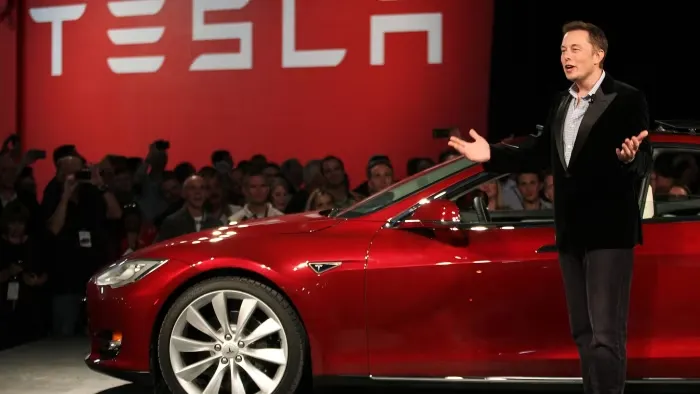
Shifting gears to corporate governance, Tesla's annual shareholder meeting on Thursday at Gigafactory Texas looms as a referendum on Elon Musk's vision—and his wallet.
Investors will ballot on a staggering $1 trillion performance-based pay package, structured in 12 share tranches tied to market cap and operational milestones, potentially boosting Musk's voting stake to 25%. The board, led by Chair Robyn Denholm, has urged approval, dismissing proxy advisors, unions, and watchdogs who decry it as excessive.
This isn't just about compensation; it's a bet on Tesla's next chapter. Expect updates on the robotaxi network pilot, Cybercab autonomous program, Semi truck production ramp-up targeted for late 2025, and breakthroughs in next-gen batteries. Musk's track record defies odds—electrifying vehicles against skepticism—yet analyst Oliver Rodzianko cautions the full payout's probability is low within the window. Still, he echoes Musk's ethos: belief fuels persistence, turning improbables into realities despite setbacks.
Volatility is baked in, with the livestreamed event drawing global scrutiny. Approval could solidify Musk's grip amid AI and robotics pivots, where Tesla aims to eclipse its EV legacy. Rejection risks distracting from growth catalysts, especially as shares navigate broader EV market headwinds. For shareholders, it's a high-wire act: reward the innovator or rein in the empire-builder?
Nov 7th: Fed Signals Amid Policy Shifts

Friday brings Federal Reserve voices back into the fray, lifting the FOMC blackout with speeches that could clarify a tempered rate outlook. Governor Lisa D. Cook addresses "The Outlook for the Economy and Monetary Policy" in Washington, D.C., that morning, followed by Governor Stephen I. Miran at New York's BCVC Summit 2025 in the afternoon. With markets dialing back 2025 cut expectations to around two—down from prior bets—these remarks may dissect inflation persistence and economic resilience.
No other Fed events dot the calendar, heightening focus on these duo. Cook, known for data-driven insights, might elaborate on balance sheet runoff, while Miran's venue suggests ties to broader capital views. In a landscape of fiscal uncertainties and trade tensions, their tones could sway bond yields and equities, particularly if they affirm fewer easings amid robust growth signals.
Earnings Pulse: AI's Front-Runners Report
The week's earnings cadence spotlights AI and tech resilience, starting Monday with Palantir's Q3 results. Analysts project $1.08 billion in revenue—a 50% year-over-year leap—and $0.17 EPS, up 70%. U.S. commercial momentum, eyed at 93% growth, underscores AI platform traction, though government contracts still comprise 55% of sales, vulnerable to policy whims. Shares have surged 151% year-to-date, but a lofty forward P/E of 229x demands flawless execution.
Tuesday, AMD unveils Q3 figures, with $8.76 billion revenue (28% up) and $1.17 EPS (27% growth) anticipated. Data center expansion and AI chip deals—with partners like OpenAI and Oracle—fuel optimism, bolstered by a history of beats (missing just two of nine prior quarters).
Wednesday caps with Qualcomm's Q4: midpoint guidance at $10.7 billion revenue and $2.85 non-GAAP EPS. AI and data center pushes, plus automotive and IoT gains, offset handset softness, building on Q3's $10.4 billion beat.
Collectively, these reports test AI hype against realities—tariff exposures for chipmakers, valuation scrutiny for software plays. Strong guides could propel sector rallies, but misses amid macro jitters might trigger pullbacks.
A Week of Reckonings
This November stretch crystallizes enduring themes: executive overreach tested in marble halls, corporate audacity at shareholder crossroads, and central bank prudence in uncertain times. Trump's tariff defense could entrench unitary power, Musk's pay vote might redefine tech leadership incentives, and Fed cues refine rate trajectories—all while earnings gauge innovation's staying power. Investors navigating these crosscurrents face amplified risks, but also opportunities in a landscape where policy, technology, and economics collide with vivid intensity. As the Supreme Court ponders how far presidential authority extends, and Musk rallies his base, the financial world watches, portfolios in hand.

Expert analysis on U.S. markets and macro trends, delivering clear perspectives behind major market moves.
Latest Articles
Stay ahead of the market.
Get curated U.S. market news, insights and key dates delivered to your inbox.
AInvest
PRO
AInvest
PRO



Comments
No comments yet