
Financial Week Ahead: The Busiest Week of 2026 Coming Amid Fed Meeting, Geopolitical Landscape and Ever-Changing AI Development
- The Dot Plot Dilemma: Wednesday's FOMC meeting is the week's marquee event. Markets are bracing for an updated Summary of Economic Projections (SEP) that could reflect a higher terminal rate amid renewed inflationary pressures.
- Operation Hormuz: Crude risk premiums are surging following President Trump's announcement that the US Navy will begin actively escorting oil tankers through the Strait of Hormuz in response to the escalating Iranian conflict.
- Silicon Showdowns: Nvidia's GTC conference kicks off, promising the next generation of AI architecture, while Elon Musk is expected to officially unveil the highly anticipated "Terafab" chip project, signaling a massive shift in compute infrastructure.
- Meta's Structural Shift: Rumors are solidifying that Meta PlatformsMETA-- is preparing for another wave of large-scale layoffs, reallocating capital from legacy social platforms directly into Artificial General Intelligence (AGI) development.
- Global Central Bank Watch: Beyond the Fed, the Bank of Japan (BOJ) meets on Thursday, and UK CPI data drops Wednesday morning, adding layers of complexity to the global yield curve.
Welcome to one of the most consequential trading weeks of Q1 2026. Global capital markets are currently suspended between two powerful, opposing gravities: the relentless, capital-intensive expansion of the artificial intelligence sector and a rapidly deteriorating geopolitical landscape in the Middle East that threatens to trigger a secondary inflationary shock.
For institutional allocators, the next five trading days present a gauntlet of binary risks. Wednesday brings a pivotal Federal Reserve decision where the updated "dot plot" will dictate the trajectory of the US dollar and the Treasury yield curve for the remainder of the year. Concurrently, escalating tensions with Iran have forced a massive strategic pivot in the Persian Gulf, threatening to fracture global energy supply chains. All the while, the tech mega-caps are proving that the AI arms race is far from over, with colossal capital expenditure plans dominating the narrative. Expect heightened implied volatility across asset classes, particularly in front-end rates, energy futures, and semiconductor equities.
Macro & Monetary Policy: Navigating the Inflationary Hangover
The Federal Reserve and the Dot Plot (Wednesday)
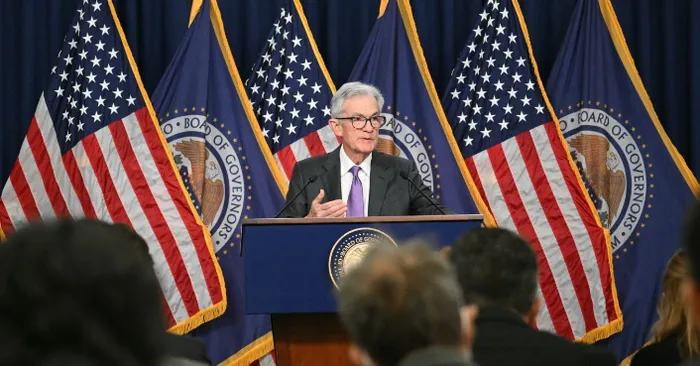
All eyes are glued to the Federal Open Market Committee (FOMC) policy decision and Chairman Jerome Powell's subsequent press conference on Wednesday afternoon. While swaps pricing indicates a near-100% probability that the federal funds rate will remain unchanged in the 5.25% - 5.50% range, the true market-moving catalyst will be the release of the updated Summary of Economic Projections (SEP)—the infamous "dot plot."
Coming into 2026, the market had aggressively priced in a smooth glide path to a neutral rate. However, recent prints showing sticky supercore services inflation, combined with the sudden spike in energy costs, have violently disrupted that narrative. The critical question for Wednesday is whether the median dot for year-end 2026 shifts upward, signaling fewer rate cuts than previously anticipated. If Powell leans hawkish and the dot plot reflects a "higher for much longer" consensus to combat imported inflation from the oil shock, expect a fierce bear steepening in the Treasury curve. Equities, particularly highly levered small-caps, will find this heavily restrictive environment difficult to digest.
The Bank of Japan's Normalization Push (Thursday)
Adding fuel to global macro volatility, the Bank of Japan steps up to the plate on Thursday. Governor Kazuo Ueda is facing mounting domestic pressure to accelerate the normalization of Japanese interest rates as the yen remains structurally weak against the dollar. With the Fed potentially turning more hawkish, the BOJ may be forced into a defensive rate hike to prevent further currency depreciation and capital flight. A surprise hawkish pivot from Tokyo could trigger a sudden repatriation of Japanese capital, sending shockwaves through US Treasuries and European sovereign debt.
Geopolitics & Commodities: The Chokepoint Crisis
The Strait of Hormuz and the Iran Conflict

The geopolitical landscape has shifted dramatically over the weekend, dominating risk desks globally. The ongoing and escalating conflict with Iran has reached a critical inflection point for global energy markets. Following rising threats to maritime logistics, President Trump's declaration that the US Navy will deploy Carrier Strike Groups to escort commercial oil tankers through the Strait of Hormuz has essentially formalized a militarized zone in the world's most crucial energy chokepoint.
Roughly 20% of global petroleum consumption passes through this narrow waterway. While the US Navy's presence is designed to guarantee safe passage, the market is aggressively pricing in the risk of miscalculation or direct kinetic engagement. Brent crude futures have already gapped higher in early Asian trading, and the options market is showing a massive bid for upside call structures.
For equities, this energy shock is a double-edged sword. While the traditional energy complex (XLE) and defense contractors (ITA) are catching aggressive bids, the broader market is terrified of the downstream effects on profit margins and consumer spending. Transportation, airlines, and logistics sectors will likely face severe downward pressure this week as fuel hedging costs become prohibitively expensive.
Big Tech & Innovation: The Infrastructure Era
Nvidia GTC: The "Woodstock of AI" Returns
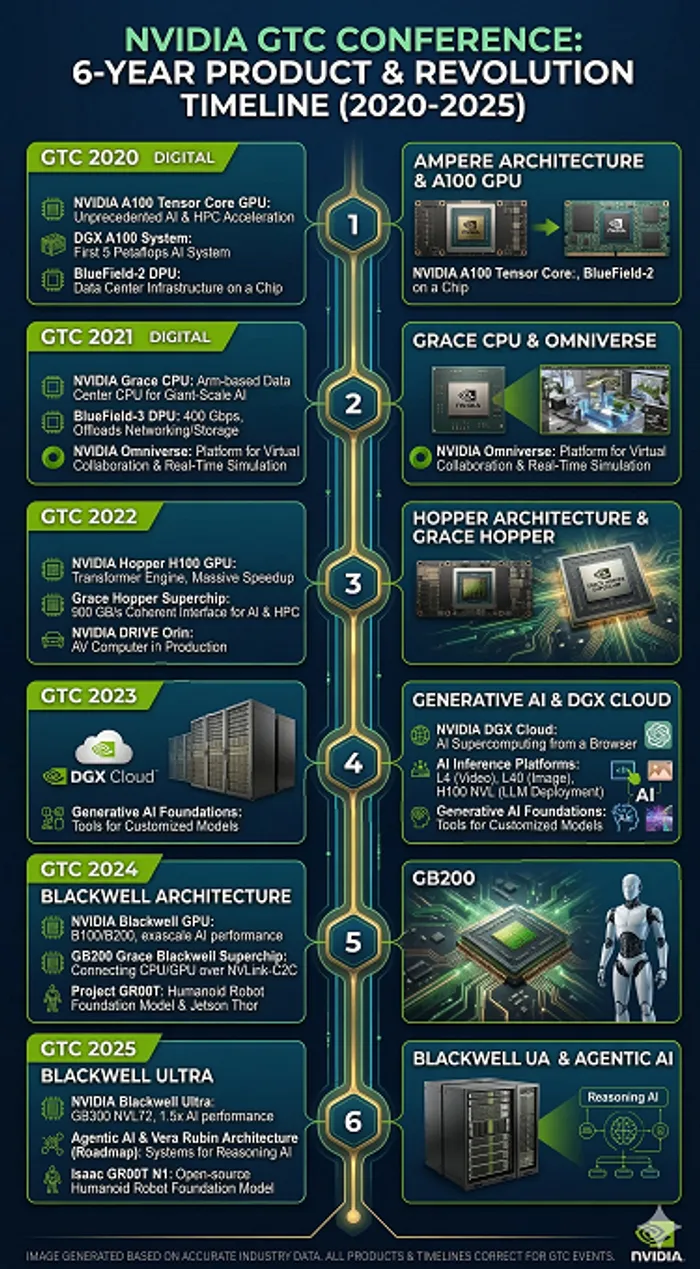
In San Jose, Jensen Huang takes the stage for the NvidiaNVDA-- GPU Technology Conference (GTC), the undisputed main event for the semiconductor and AI industries. In 2026, the market has moved beyond the initial euphoria of LLM training; the focus is now squarely on inferencing at scale, sovereign AI infrastructure, and thermal dynamics in data centers.
Analysts are anticipating granular details on Nvidia's next-generation architecture, succeeding the highly successful Blackwell and Rubin platforms. However, the true alpha will be found in Huang's commentary on the supply chain. With TSMC capacity stretched to its absolute limits, any forward guidance on advanced packaging constraints (CoWoS) and data center energy consumption will ripple across the entire semiconductor supply chain. Expect immense volatility in Nvidia (NVDA), Super Micro Computer (SMCI), and broader infrastructure players like Vertiv (VRT).
Musk's 'Terafab' Unveiling

Adding a fascinating wrinkle to the semiconductor landscape is Elon Musk's long-rumored "Terafab" project, expected to be officially detailed this week. Tired of being bottlenecked by third-party silicon foundries and exorbitant pricing, Musk's xAI and Tesla conglomerates have reportedly been developing a proprietary, mega-scale chip fabrication and packaging initiative.
If the Terafab blueprint is as ambitious as leaked reports suggest—aiming to vertically integrate the design, manufacturing, and liquid cooling of custom AI accelerators—it represents a profound paradigm shift. While actual silicon output may be years away, the sheer volume of capital Musk is preparing to deploy will force markets to re-evaluate the long-term terminal growth rates and pricing power of incumbent chipmakers. Watch for aggressive pre-market movements in specialized semiconductor manufacturing equipment (WFE) providers who might supply this new venture.
Meta Platforms: 'Year of Efficiency' Enters Phase 3
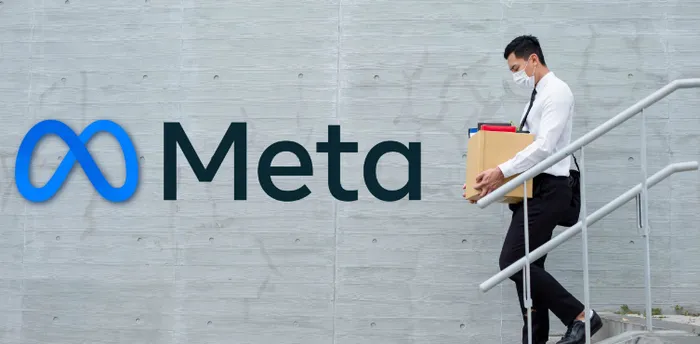
On the corporate strategy front, MetaMETA-- Platforms is preparing to dominate the headlines with an expected announcement of large-scale structural layoffs. Unlike previous workforce reductions aimed at basic cost-cutting, Wall Street analysts view this upcoming culling as a strategic reallocation of capital.
Mark Zuckerberg is reportedly slashing headcount in legacy consumer-facing applications and the remnants of the Metaverse divisions to free up billions in free cash flow. This capital is allegedly being aggressively redirected toward massive server farms and compute clusters to win the race to Artificial General Intelligence (AGI). From a market perspective, major tech layoffs are often rewarded by shareholders. If Meta can successfully convince the Street that these cuts will fund accretive, high-margin AI infrastructure without severely damaging top-line ad revenue, the stock could see a significant re-rating, further cementing the "Magnificent Seven's" dominance over the S&P 500.
Conclusion
This week presents a masterclass in cross-asset correlation. How the Fed interprets the inflationary threat of the Hormuz naval escalation will directly impact the cost of capital for the very companies—Nvidia, Meta, and Tesla—that are attempting to spend hundreds of billions on AI infrastructure. Risk management must be paramount; tight stop-losses and a dynamic approach to duration exposure are strongly advised.

The AInvest News Editorial Team consists of experienced financial journalists and editors who oversee all published content. While our newsroom leverages advanced AI tools to assist in data gathering and draft generation, every article is reviewed, fact-checked, and approved by human editors to ensure accuracy, clarity, and transparency.
Latest Articles
Stay ahead of the market.
Get curated U.S. market news, insights and key dates delivered to your inbox.
AInvest
PRO
AInvest
PRO



Comments
No comments yet