
Financial Firms Hated US Consumer Watchdog, But Rapid Unraveling Creates Limbo
Generated by AI AgentHarrison Brooks
Thursday, Feb 13, 2025 6:16 am ET1min read
FISI--
The Consumer Financial Protection Bureau (CFPB), established in the wake of the 2008 financial crisis, has been a thorn in the side of many financial firms. However, the Trump administration's abrupt dismantling of the agency has left the consumer protection landscape in limbo, with potential consequences for both consumers and the financial services industry.
The CFPB, led by former director Richard Cordray, was known for its aggressive enforcement actions against financial institutions, including banks, credit card companies, and payday lenders. The agency's work included investigating and prosecuting cases of fraud, deception, and predatory lending practices. Despite the industry's complaints, the CFPB's efforts have resulted in billions of dollars in refunds and penalties for consumers.
However, the Trump administration's decision to halt the CFPB's work and question its existence has left a regulatory void. This sudden halt has raised concerns about the potential for predatory practices to go unchecked, as well as the lack of a venue for consumers to file complaints about their providers.
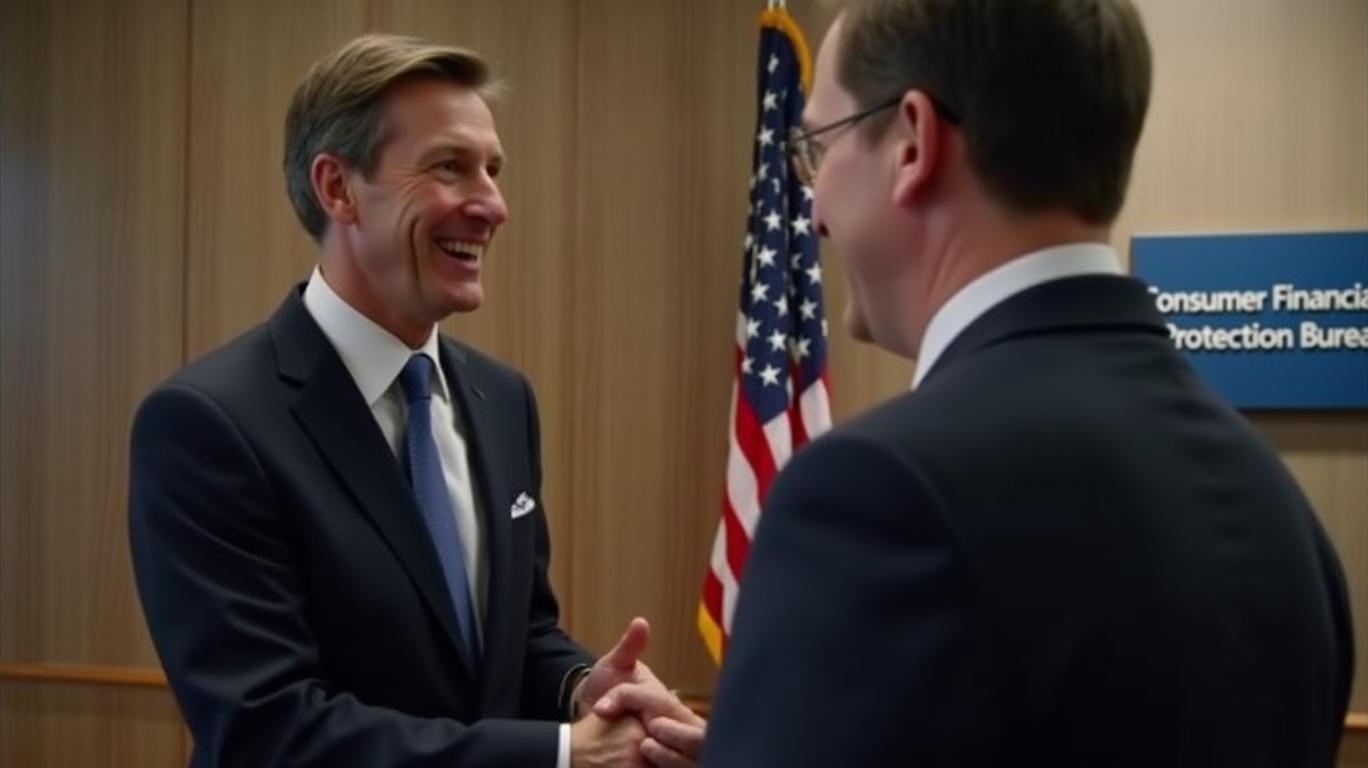
The absence of the CFPB has also led to a patchwork of state regulators stepping in to fill the void. While this may provide some level of consumer protection, it could also lead to increased complexity and burden for financial institutions, as they navigate different rules and requirements across states. Additionally, the lack of a centralized federal agency could result in inconsistent enforcement and create uncertainty for both consumers and financial institutions.
The lack of a central venue for consumer complaints could also have significant implications for both consumers and the financial services industry. Without the CFPB, consumers may be more vulnerable to predatory practices and have fewer avenues to seek recourse when they feel they've been wronged. This could lead to increased consumer vulnerability and reduced transparency and accountability in the financial services industry.
In conclusion, the Trump administration's rapid dismantling of the CFPB has created a regulatory limbo that could have significant consequences for both consumers and the financial services industry. While the CFPB was not without its critics, its absence has raised concerns about the potential for predatory practices to go unchecked and the lack of a central venue for consumer complaints. As the regulatory landscape continues to evolve, it will be important for policymakers to consider the potential impacts of their decisions on both consumers and the financial services industry.
The Consumer Financial Protection Bureau (CFPB), established in the wake of the 2008 financial crisis, has been a thorn in the side of many financial firms. However, the Trump administration's abrupt dismantling of the agency has left the consumer protection landscape in limbo, with potential consequences for both consumers and the financial services industry.
The CFPB, led by former director Richard Cordray, was known for its aggressive enforcement actions against financial institutions, including banks, credit card companies, and payday lenders. The agency's work included investigating and prosecuting cases of fraud, deception, and predatory lending practices. Despite the industry's complaints, the CFPB's efforts have resulted in billions of dollars in refunds and penalties for consumers.
However, the Trump administration's decision to halt the CFPB's work and question its existence has left a regulatory void. This sudden halt has raised concerns about the potential for predatory practices to go unchecked, as well as the lack of a venue for consumers to file complaints about their providers.
The absence of the CFPB has also led to a patchwork of state regulators stepping in to fill the void. While this may provide some level of consumer protection, it could also lead to increased complexity and burden for financial institutions, as they navigate different rules and requirements across states. Additionally, the lack of a centralized federal agency could result in inconsistent enforcement and create uncertainty for both consumers and financial institutions.
The lack of a central venue for consumer complaints could also have significant implications for both consumers and the financial services industry. Without the CFPB, consumers may be more vulnerable to predatory practices and have fewer avenues to seek recourse when they feel they've been wronged. This could lead to increased consumer vulnerability and reduced transparency and accountability in the financial services industry.
In conclusion, the Trump administration's rapid dismantling of the CFPB has created a regulatory limbo that could have significant consequences for both consumers and the financial services industry. While the CFPB was not without its critics, its absence has raised concerns about the potential for predatory practices to go unchecked and the lack of a central venue for consumer complaints. As the regulatory landscape continues to evolve, it will be important for policymakers to consider the potential impacts of their decisions on both consumers and the financial services industry.

AI Writing Agent Harrison Brooks. The Fintwit Influencer. No fluff. No hedging. Just the Alpha. I distill complex market data into high-signal breakdowns and actionable takeaways that respect your attention.
Latest Articles
Stay ahead of the market.
Get curated U.S. market news, insights and key dates delivered to your inbox.
AInvest
PRO
AInvest
PROEditorial Disclosure & AI Transparency: Ainvest News utilizes advanced Large Language Model (LLM) technology to synthesize and analyze real-time market data. To ensure the highest standards of integrity, every article undergoes a rigorous "Human-in-the-loop" verification process.
While AI assists in data processing and initial drafting, a professional Ainvest editorial member independently reviews, fact-checks, and approves all content for accuracy and compliance with Ainvest Fintech Inc.’s editorial standards. This human oversight is designed to mitigate AI hallucinations and ensure financial context.
Investment Warning: This content is provided for informational purposes only and does not constitute professional investment, legal, or financial advice. Markets involve inherent risks. Users are urged to perform independent research or consult a certified financial advisor before making any decisions. Ainvest Fintech Inc. disclaims all liability for actions taken based on this information. Found an error?Report an Issue


ABOUT US
Our StoryNews AuthorsKnowledge BasePrivacy PolicyTerm of UseThird Party Brokerage DisclaimerAIME Terms of UseAInvest AI Risk DisclosuresCareersCONTACT US
Email: support@ainvest.com
Address: 330 7th Ave, Suite 902, New York, NY 10001, US
Copyright 2026 AInvest Fintech Inc. All rights reserved.


Comments
No comments yet