
Finance Week Ahead: Geopolitical Shockwaves, Labor Market Scrutiny, and Corporate Milestones
As markets open on Monday, March 30, 2026, investors face a volatile mix of escalating Middle East conflict, critical U.S. economic data releases, and high-profile corporate anniversaries. A month-long U.S.-Iran war has already disrupted energy markets, with fresh escalation from Iranian proxies adding to supply risks. At the same time, the Federal Reserve's Jerome Powell will speak amid growing stagflation concerns, while a heavy slate of labor indicators could reshape rate expectations. Corporate highlights include Apple's 50th anniversary celebrations and a lighter earnings calendar featuring names like NikeNKE--.
Geopolitical Tensions Intensify Energy Market Risks
The primary market driver remains the U.S.-Iran conflict, now entering its fifth week. On Friday, March 28, Iran launched retaliatory strikes on Gulf Arab states and Israel following U.S.-Israeli attacks on its atomic facilities and steel plants. The Yemen-based Houthis—backed by Iran—formally joined the fray on Saturday, firing ballistic missiles at Israel and signaling continued operations until attacks on Iran and its proxies, including Hezbollah, cease.
According to Bloomberg reports, Israel officials clearly states that they identified the Yemen-launched missile but with no clear confirmation that if the projectile was intercepted. Yet the move opens a dangerous new front. Houthis have previously disrupted the Bab el-Mandeb Strait and Red Sea shipping, forcing reroutes that inflated energy transport costs. Saudi Arabia's Yanbu port—used to bypass the closed Strait of Hormuz—lies within Houthi missile range, raising fresh threats to oil exports. Iranian attacks also hit the UAE's Kezad industrial site (damaging Emirates Global Aluminum's Al Taweelah facility), Saudi Arabia's Prince Sultan Air Base (wounding U.S. troops and aircraft), Kuwait's airport radar, and Oman's Salalah port. Thousands have died, and energy prices have surged, with oil up sharply on supply fears.

Analysts warn of broader spillover: higher energy costs could fuel inflation while slowing growth, complicating the Fed's dual mandate. Markets will watch for any de-escalation signals this week, though none appear imminent. Shipping and defense stocks may see continued volatility, while oil majors and alternative energy plays could benefit from sustained price support.
Powell Speaks as Stagflation Risks Mount
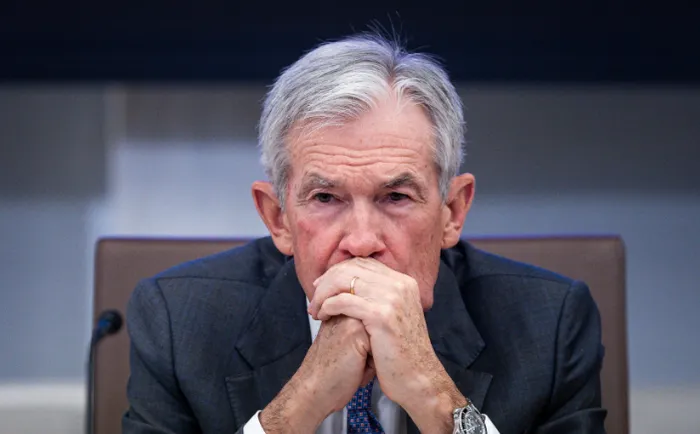
Federal Reserve Chair Jerome Powell participates in a moderated discussion at Harvard University on Monday reported by Yahoo Finance. Investors will parse every word for clues on how the central bank plans to navigate emerging stagflationary pressures—sticky inflation from energy shocks paired with softening labor demand. Recent FOMC projections already show slightly higher inflation forecasts for 2026, and Powell has emphasized data-dependence amid Middle East uncertainties.
With money markets pricing only modest odds of rate hikes this year, Powell's tone could influence Treasury yields and the dollar. Any hawkish tilt—signaling patience on cuts—would pressure equities; dovish hints might ease financial conditions.
Busy U.S. Labor Calendar Tests Economic Resilience
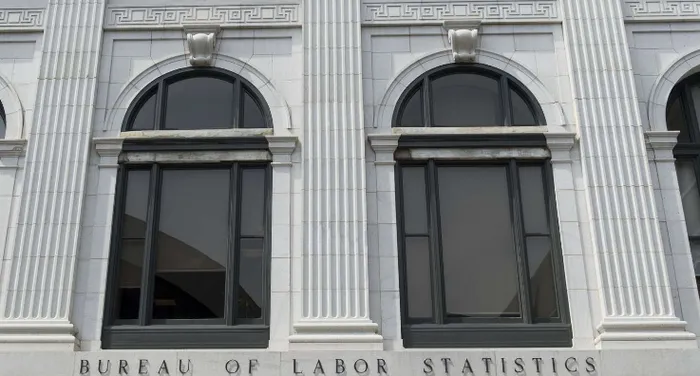
A packed week of employment data will test whether the economy is holding up under geopolitical strain:
- Tuesday, March 31: JOLTS Job Openings (February) — expected to edge lower, signaling cooling labor demand.
- Wednesday, April: ADP Private Payrolls (March) and ISM Manufacturing PMI (March) — ADP offers a preview of Friday's official jobs report; ISM will gauge factory health amid supply-chain risks.
- Thursday, April 2: Initial Jobless Claims (week of March 28).
- Friday, April 3: Non-Farm Payrolls, Unemployment Rate, and Private Payrolls (March) — consensus expects a modest rebound from February's sharp drop, with unemployment possibly ticking to 4.5%. Average hourly earnings will be closely watched for wage-price pressures.
Stronger-than-expected jobs data could reinforce "higher for longer" rate views; weakness might revive recession fears. Energy-driven inflation adds complexity—robust hiring could signal resilience, but persistent oil shocks risk squeezing margins.
Corporate Spotlight: Apple Marks 50 Years of "Thinking Different"
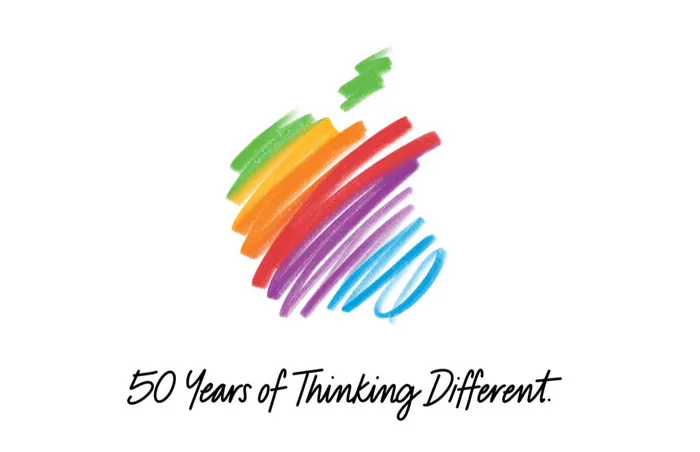
Based on Apple's announcement, AppleAAPL-- is going to celebrate its golden anniversary. Founded April 1, 1976, the company announced plans to honor five decades of innovation—from the Apple II and Macintosh to the iPhone, Apple Watch, Vision Pro, and services ecosystem. CEO Tim Cook published a reflective letter on apple.com emphasizing the intersection of technology and the liberal arts, privacy, accessibility, and environmental responsibility. Global events and community initiatives will run through April, underscoring Apple's cultural impact.
The milestone arrives as Apple pushes Apple Intelligence and next-generation silicon. While the anniversary is celebratory, investors will monitor any forward-looking commentary on AI, services growth, and China exposure—especially relevant given regional tensions.
Starbucks, marking its 55th year (founded 1971), is running promotional campaigns and spring menu rollouts but lacks a comparable headline event. The coffee giant's results could still reflect consumer resilience amid higher energy costs.
Lighter Earnings Calendar, Selective Focus
Earnings season winds down with fewer blockbuster reports. Notable releases include Nike (Q3, expected Tuesday/Wednesday), McCormick & Co., and smaller names such as Beyond Meat and Lamb Weston. Broader indices may move more on macro data than individual results, though consumer and industrial names could reveal spending trends under inflation pressure.
Outlook: Caution Prevails
Geopolitical risk dominates the near term. Oil volatility, shipping disruptions, and potential Red Sea closures could keep energy prices elevated, feeding into inflation and corporate costs. Labor data will be the week's centerpiece—any sign of labor-market cooling might temper rate-hike fears, while resilient figures could highlight stagflation risks.
Powell's Harvard appearance and Apple's anniversary provide narrative counterpoints, reminding markets of long-term innovation and policy steadiness. Yet with the S&P 500 already showing correction signals, traders should brace for swings. Position accordingly: favor defensives in energy and staples, monitor oil closely, and stay nimble on data surprises.

The AInvest News Editorial Team consists of experienced financial journalists and editors who oversee all published content. While our newsroom leverages advanced AI tools to assist in data gathering and draft generation, every article is reviewed, fact-checked, and approved by human editors to ensure accuracy, clarity, and transparency.
Latest Articles
Stay ahead of the market.
Get curated U.S. market news, insights and key dates delivered to your inbox.


AInvest
PRO
AInvest
PRO



Comments
No comments yet