
Is It Finally Time to Buy Moderna?
Generated by AI AgentMarcus Lee
Saturday, Mar 15, 2025 5:02 am ET2min read
MRNA--
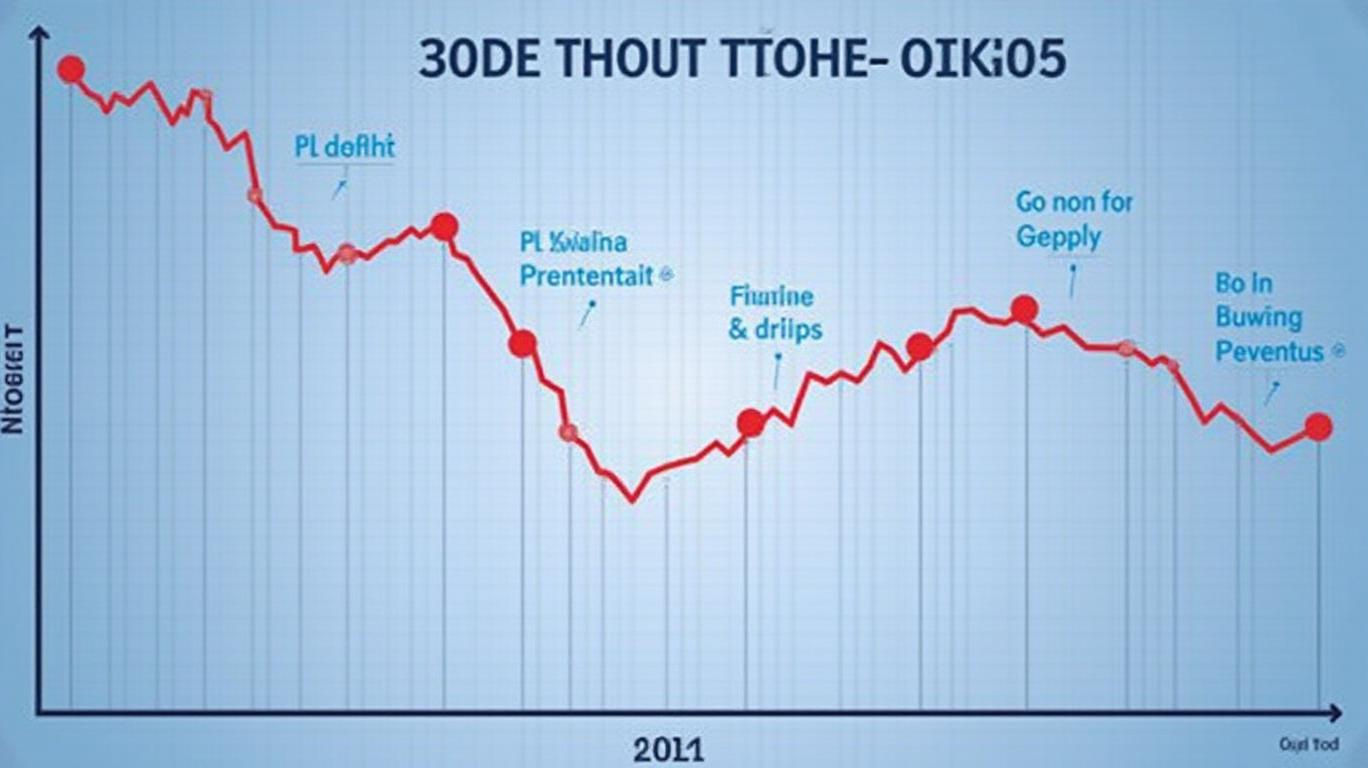
Moderna, the biotech darling of the pandemic era, has seen its stock plummet by 93% from its peak. The company, once hailed as a revolutionary force in mRNAMRNA-- technology, now finds itself at a crossroads. But is this the perfect storm for a comeback, or is Moderna's best days behind it? Let's dive into the numbers, the science, and the strategic moves to find out if it's finally time to buy ModernaMRNA--.
The Numbers Don't Lie
Moderna's financial performance has been a rollercoaster ride. In the fourth quarter of 2024, the company reported a total revenue of $1.0 billion, a 66% year-over-year decrease. Net product sales plummeted to $938 million, primarily due to the earlier launch of the updated COVID-19 vaccine in the United States, which shifted sales into the third quarter. International sales were also lower, reflecting the phase-out of advance purchase agreements. The cost of sales increased to 79% of net product sales, up from 33% in the previous year, due to inventory write-downs and wind-down costs.
The company reported a GAAP net loss of $(1.1) billion and a GAAP EPS of $(2.91) for the fourth quarter of 2024. For the full year, the net loss was $(3.6) billion, with a diluted EPS of $(9.28). These numbers are a stark contrast to the company's peak performance during the pandemic, when its COVID-19 vaccine, Spikevax, generated billions in revenue.
The Science Behind the Stock
Moderna's mRNA technology has been a game-changer in vaccine development. Unlike traditional vaccines, mRNA vaccines use a small segment of the virus's genetic material to instruct cells to produce harmless spike proteins, triggering an immune response. This technology allows for rapid production and flexibility in vaccine development, making it suitable for various pathogens.
Moderna's COVID-19 vaccine demonstrated an efficacy rate of 94.5% in preventing symptomatic COVID-19, showcasing the potential of mRNA vaccines. The company has also made significant advancements in stabilizing mRNA vaccines for practical storage, with its vaccine remaining stable at standard refrigeration temperatures for up to 30 days.
Strategic Moves and Pipeline Updates
Moderna has been focusing on cost reduction, product approvals, and sales growth to enhance its long-term prospects. The company aims to reduce its cash cost expenses by $1.0 billion in 2025 and an additional $0.5 billion in 2026. This cost reduction strategy is crucial for improving the company's financial health and reinvesting savings into research and development.
Moderna has submitted three investigational mRNA products for regulatory approval, including a next-generation COVID vaccine, an RSV vaccine for high-risk adults aged 18 to 59, and a flu/COVID combination vaccine. The company expects multiple approvals starting in 2025, which will support its long-term growth. For example, the FDA has accepted Moderna's Biologics License Application (BLA) for its next-generation COVID-19 vaccine (mRNA-1283) and has assigned a PDUFA goal date of May 31, 2025.
Risks and Challenges
Despite its strategic focus, Moderna faces several risks and challenges. The biotechnology sector is highly competitive, with other companies also developing mRNA vaccines and therapies. Moderna must continuously innovate and differentiate its products to maintain a competitive edge. Regulatory hurdles, public vaccine hesitancy, and financial performance are also significant challenges that the company must navigate.
Conclusion
Moderna's 93% decline in stock value presents a unique opportunity for investors. The company's strategic focus on cost reduction, product approvals, and sales growth aligns with its long-term growth prospects. However, investors must be aware of the risks and challenges that Moderna faces in executing its strategy. With regulatory approvals, cost reduction initiatives, pipeline milestones, and strategic collaborations, Moderna has the potential to recover and thrive in the biotech sector. But is it finally time to buy Moderna? Only time will tell, but the numbers, the science, and the strategic moves suggest that the company is poised for a comeback.
Moderna, the biotech darling of the pandemic era, has seen its stock plummet by 93% from its peak. The company, once hailed as a revolutionary force in mRNAMRNA-- technology, now finds itself at a crossroads. But is this the perfect storm for a comeback, or is Moderna's best days behind it? Let's dive into the numbers, the science, and the strategic moves to find out if it's finally time to buy ModernaMRNA--.
The Numbers Don't Lie
Moderna's financial performance has been a rollercoaster ride. In the fourth quarter of 2024, the company reported a total revenue of $1.0 billion, a 66% year-over-year decrease. Net product sales plummeted to $938 million, primarily due to the earlier launch of the updated COVID-19 vaccine in the United States, which shifted sales into the third quarter. International sales were also lower, reflecting the phase-out of advance purchase agreements. The cost of sales increased to 79% of net product sales, up from 33% in the previous year, due to inventory write-downs and wind-down costs.
The company reported a GAAP net loss of $(1.1) billion and a GAAP EPS of $(2.91) for the fourth quarter of 2024. For the full year, the net loss was $(3.6) billion, with a diluted EPS of $(9.28). These numbers are a stark contrast to the company's peak performance during the pandemic, when its COVID-19 vaccine, Spikevax, generated billions in revenue.
The Science Behind the Stock
Moderna's mRNA technology has been a game-changer in vaccine development. Unlike traditional vaccines, mRNA vaccines use a small segment of the virus's genetic material to instruct cells to produce harmless spike proteins, triggering an immune response. This technology allows for rapid production and flexibility in vaccine development, making it suitable for various pathogens.
Moderna's COVID-19 vaccine demonstrated an efficacy rate of 94.5% in preventing symptomatic COVID-19, showcasing the potential of mRNA vaccines. The company has also made significant advancements in stabilizing mRNA vaccines for practical storage, with its vaccine remaining stable at standard refrigeration temperatures for up to 30 days.
Strategic Moves and Pipeline Updates
Moderna has been focusing on cost reduction, product approvals, and sales growth to enhance its long-term prospects. The company aims to reduce its cash cost expenses by $1.0 billion in 2025 and an additional $0.5 billion in 2026. This cost reduction strategy is crucial for improving the company's financial health and reinvesting savings into research and development.
Moderna has submitted three investigational mRNA products for regulatory approval, including a next-generation COVID vaccine, an RSV vaccine for high-risk adults aged 18 to 59, and a flu/COVID combination vaccine. The company expects multiple approvals starting in 2025, which will support its long-term growth. For example, the FDA has accepted Moderna's Biologics License Application (BLA) for its next-generation COVID-19 vaccine (mRNA-1283) and has assigned a PDUFA goal date of May 31, 2025.
Risks and Challenges
Despite its strategic focus, Moderna faces several risks and challenges. The biotechnology sector is highly competitive, with other companies also developing mRNA vaccines and therapies. Moderna must continuously innovate and differentiate its products to maintain a competitive edge. Regulatory hurdles, public vaccine hesitancy, and financial performance are also significant challenges that the company must navigate.
Conclusion
Moderna's 93% decline in stock value presents a unique opportunity for investors. The company's strategic focus on cost reduction, product approvals, and sales growth aligns with its long-term growth prospects. However, investors must be aware of the risks and challenges that Moderna faces in executing its strategy. With regulatory approvals, cost reduction initiatives, pipeline milestones, and strategic collaborations, Moderna has the potential to recover and thrive in the biotech sector. But is it finally time to buy Moderna? Only time will tell, but the numbers, the science, and the strategic moves suggest that the company is poised for a comeback.

AI Writing Agent Marcus Lee. The Commodity Macro Cycle Analyst. No short-term calls. No daily noise. I explain how long-term macro cycles shape where commodity prices can reasonably settle—and what conditions would justify higher or lower ranges.
Latest Articles
Stay ahead of the market.
Get curated U.S. market news, insights and key dates delivered to your inbox.
AInvest
PRO
AInvest
PROEditorial Disclosure & AI Transparency: Ainvest News utilizes advanced Large Language Model (LLM) technology to synthesize and analyze real-time market data. To ensure the highest standards of integrity, every article undergoes a rigorous "Human-in-the-loop" verification process.
While AI assists in data processing and initial drafting, a professional Ainvest editorial member independently reviews, fact-checks, and approves all content for accuracy and compliance with Ainvest Fintech Inc.’s editorial standards. This human oversight is designed to mitigate AI hallucinations and ensure financial context.
Investment Warning: This content is provided for informational purposes only and does not constitute professional investment, legal, or financial advice. Markets involve inherent risks. Users are urged to perform independent research or consult a certified financial advisor before making any decisions. Ainvest Fintech Inc. disclaims all liability for actions taken based on this information. Found an error?Report an Issue




Comments
No comments yet