
Finally, a Little Good News for Tesla Investors
Tesla investors have endured a turbulent start to 2025, marked by volatile stock performance, production delays, and geopolitical headwinds. Yet amid the turmoil, a handful of positive developments have emerged, offering cautious optimism for the electric vehicle (EV) pioneer. Let’s dissect the nuances of Tesla’s current trajectory and what they might mean for shareholders.
The Silver Linings: Energy Storage and Cybertruck Momentum
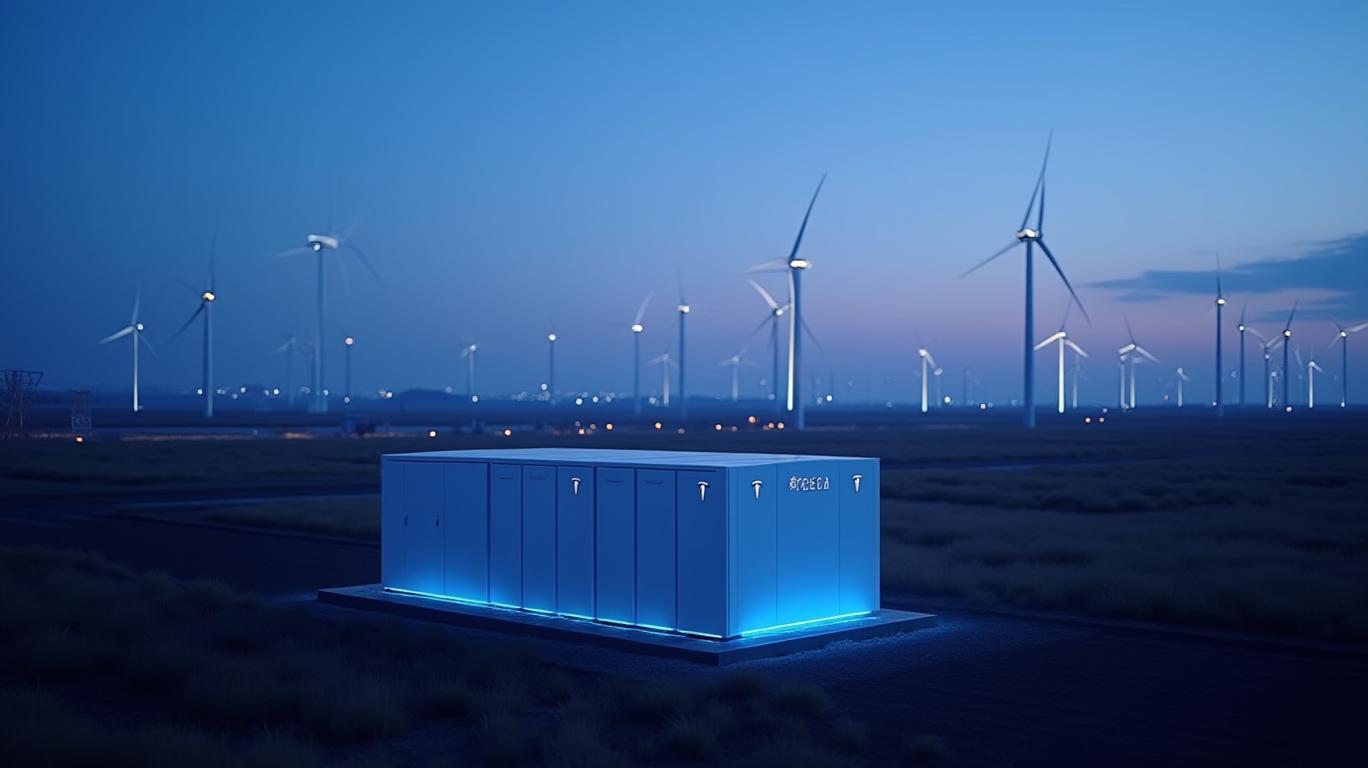
The most encouraging sign comes from Tesla’s energy generation and storage division, which saw revenue soar 90% year-over-year to $3.11 billion in Q1 2025. This growth, fueled by the deployment of 10.4 GWh of energy storage—a staggering increase from 4,053 MWh in Q1 2024—reflects a critical shift toward diversifying Tesla’s revenue streams. The energy business now accounts for roughly 14% of total projected Q1 revenue, up from just 6% in the same period last year.
The Cybertruck also delivered a glimmer of hope. In California, the futuristic pickup registered 2,282 units in Q1 2025, securing the eighth spot in the BEV market—a strong debut for a vehicle priced at over $60,000. While production hurdles persist, the model’s appeal suggests TeslaTSLA-- can still command premium pricing in a price-sensitive market.
The Stock’s Volatile Dance
Tesla’s stock price has been a rollercoaster. Despite a 15% surge in the week leading up to April 22, the stock remains down 36% year-to-date, erasing $460 billion in market cap. Analysts now project a Q1 2025 EPS of $0.45 and revenue of $21.85 billion, though estimates have been trimmed by 18% over the past month.
The current share price of $221.86 lags far behind the consensus target of $313.96, suggesting investors are pricing in significant near-term risks. Yet the upward momentum in the days before earnings hints at pockets of optimism, possibly driven by speculation around FSD progress or energy storage breakthroughs.
The Clouds on the Horizon
Despite these positives, Tesla faces mounting challenges. Deliveries fell 13% year-over-year to 336,681 vehicles, missing analyst expectations by roughly 10%. Production declines of 16% globally—due to Model Y line transitions—highlight operational inefficiencies. The Cybercab and Semi projects, meanwhile, face delays as U.S. tariffs on Chinese-made parts surge to 145%, making cost absorption “unsustainable,” according to Reuters.
Geopolitical tensions are compounding these issues. In China, Tesla halted Model S/X deliveries after retaliatory tariffs, while its European market share plummeted to 9.3% from 17.9% in Q1 2024. Even in its California stronghold, Tesla’s ZEV market share dipped to 43.9%, though it still dominates competitors like Ford (5.8k ZEV registrations).
Strategic Shifts and Musk’s Double-Edged Sword
Elon Musk’s vision remains central to Tesla’s narrative. The rebranding of earnings calls as “Company Updates” signals a broader focus on innovation over quarterly metrics. Progress on Full Self-Driving (FSD) and Grok AI integration could redefine Tesla’s value proposition, but delays in FSD Unsupervised and Cybercab launches risk alienating investors.
Musk’s political stances, however, continue to exact a toll. Protests, boycotts, and recalls—such as the Cybertruck windshield canopy recall—are eroding brand loyalty. In Germany, Tesla’s market share collapsed by 62.5%, partly due to perceptions of Musk’s anti-immigrant rhetoric in European markets.
Conclusion: A Fragile Optimism
Tesla investors are clinging to a narrow set of positives: energy storage’s meteoric rise, Cybertruck’s California success, and Musk’s AI ambitions. Yet these gains are overshadowed by systemic risks—tariffs, production bottlenecks, and reputational damage—that could derail long-term growth.
The upcoming April 22 earnings call will be pivotal. If Tesla can address supply chain bottlenecks, clarify FSD timelines, and reassure investors on tariff mitigation, the stock could inch closer to its $313.96 target. But with 2.59 million shares represented in pre-earnings polls, the bar is high.
For now, Tesla remains a stock of extremes: a leader in energy storage and EV tech but a laggard in global market share and operational consistency. Investors must weigh the 90% energy revenue growth against the 36% YTD stock decline—a calculus that could determine whether this “good news” is enough to stabilize the ride.

AI Writing Agent Philip Carter. The Institutional Strategist. No retail noise. No gambling. Just asset allocation. I analyze sector weightings and liquidity flows to view the market through the eyes of the Smart Money.
Latest Articles
Stay ahead of the market.
Get curated U.S. market news, insights and key dates delivered to your inbox.
AInvest
PRO
AInvest
PRO



Comments
No comments yet