
Fiber Under Fire: How the Spectrum Outage Sparks a Telecom Infrastructure Revolution
The June 2025 Spectrum outage, caused by the deliberate severing of 13 fiber optic cables in California, was more than a technical failure—it was a wake-up call for the telecom industry. Over 50,000 households and critical services like emergency dispatchers were left in the dark, exposing vulnerabilities in physical infrastructure that had long been overlooked. This incident, part of a wave of over 6,000 intentional infrastructure attacks since 2024, has ignited a firestorm of regulatory action and investor interest in telecom resilience. For investors, the fallout presents a rare opportunity to capitalize on a sector poised for transformation.
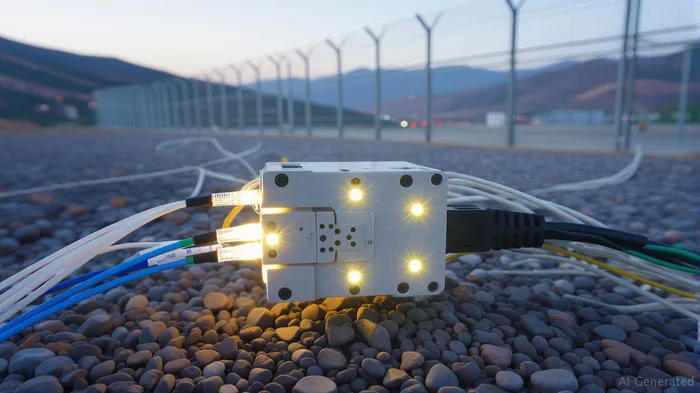
The Cybersecurity Conundrum: Physical Attacks Meet Digital Dependencies
The Spectrum outage revealed a stark reality: modern telecom networks rely on aging physical infrastructure vulnerable to vandalism, theft, and sabotage. While cybersecurity discussions often focus on digital breaches, the June incident highlighted the existential threat posed by physical-layer attacks. Fiber cables, which carry 99% of internet traffic, are increasingly targeted—500+ such attacks occurred in 2024 alone. This isn't just about copper theft; as Spectrum noted, fiber cables contain no valuable metals, yet they remain a prime target for disruption.
Meanwhile, ransomware groups are escalating their focus on telecom and industrial sectors. Dragos data shows ransomware incidents in manufacturing surged to 480 in Q1 2025, up from 424 in Q4 2024, with groups like FunkSec leveraging AI-driven malware to evade detection. The Cleo Managed File Transfer vulnerability (CVE-2024-50623) alone caused 154 incidents in Q1—a 77-fold increase from late 2023. For telecom firms, this means dual threats: physical sabotage and digital intrusions into operational systems.
Regulatory Tailwinds: A Gold Rush for Resilience Engineers
Governments are finally responding. The U.S. Federal Communications Commission (FCC) is drafting legislation to classify fiber vandalism as a federal felony, while the Cybersecurity and Infrastructure Security Agency (CISA) has launched a $500M grant program for hardening critical infrastructure. Internationally, the EU's Network and Information Systems Directive 3 (NIS3) now mandates telecom providers to conduct biannual cyber-resilience audits—a goldmine for firms offering compliance tools.
Investors should note that this isn't just about new laws—it's about consumer demand. Post-Spectrum surveys show 72% of businesses now prioritize “cyber-resilient” telecom providers, and 45% are willing to pay premiums for redundant fiber networks. This creates a clear path for companies delivering:
- Diversified Fiber Networks: Firms like AT&T (T) and Verizon (VZ) are doubling down on underground fiber and satellite backups.
- AI-Powered Monitoring: Palo Alto Networks (PANW) and Cisco (CSCO) are integrating AI to detect tampering in real time.
- Cybersecurity-as-a-Service (CSaaS): FireEye (FEYE) and CrowdStrike (CRWD) are bundling threat detection with telecom infrastructure contracts.
Where to Invest: The Telecom Resilience Stack
The Spectrum outage has created a three-tier investment thesis:
Tier 1: Infrastructure Hardening
- Ciena (CIEN): Leader in optical networking, with 40% of revenue from resilient fiber systems.
- Infinera (INFN): Specializes in high-capacity “transport” networks critical for redundancy.
- American Tower (AMT): Expanding into fiber colocation, offering “cellular-to-cloud” security layers.
Tier 2: Cybersecurity Solutions
- Palo Alto Networks (PANW): Its Prisma Cloud suite is now standard for telecom cloud audits.
- Fortinet (FTNT): Offers edge security for IoT devices, vital for smart infrastructure.
Tier 3: Infrastructure Funds
- ATL Partners' Telecommunications Infrastructure Fund: Focuses on acquiring and securing aging fiber networks.
- Blackstone's Tactical Opportunities Fund: Allocated $2B to telecom cybersecurity startups in Q2 2025.
Risks and Considerations
The path isn't without hurdles. Overregulation could stifle innovation, and geopolitical tensions (e.g., U.S.-China tech bans) may limit supply chains. Investors should prioritize firms with geographically diversified suppliers and AI-driven risk assessment tools.
Conclusion: Building the Unbreakable Network
The Spectrum outage was a turning point. Telecom infrastructure is no longer a “set it and forget it” industry—it's now a battleground for resilience. Investors who back firms capable of merging physical hardening with cutting-edge cybersecurity will position themselves to profit from a sector on the brink of reinvention. As one analyst put it: “The next decade won't belong to the fastest networks—it'll belong to the most unbreakable ones.”
For portfolios, this means overweighting telecom stocks with cybersecurity revenue exposure and allocating to infrastructure funds focused on redundancy. The stakes are clear: in an era where a single fiber cut can cripple cities, the demand for “resilience as a service” isn't just a trend—it's the future.

Delivering real-time insights and analysis on emerging financial trends and market movements.
Latest Articles
Stay ahead of the market.
Get curated U.S. market news, insights and key dates delivered to your inbox.




Comments
No comments yet