
FHFA Directs Fannie Mae Freddie Mac to Consider Bitcoin for Mortgages
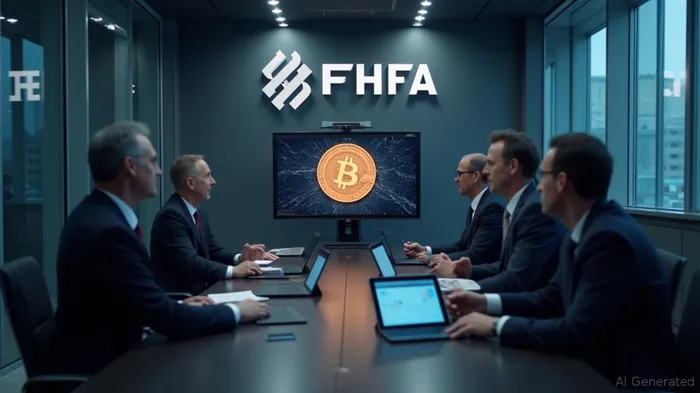
Changpeng Zhao, the founder of the cryptocurrency platform Binance, recently predicted that 0.1 BitcoinBTC-- could one day surpass the value of an average United States home. This forecast comes on the heels of a significant initiative by the U.S. Federal Housing Finance Agency (FHFA), which has instructed major financial institutions Fannie Mae and Freddie Mac to explore the possibility of incorporating Bitcoin into their mortgage application reserves. This move could mark a major milestone for Bitcoin, signaling its formal entry into the realm of financial assessments related to housing.
On June 26, William J. Pulte, the Director of the FHFA, outlined the criteria that would allow borrowers to use Bitcoin as financial support. Key requirements include holding the assets on U.S.-regulated exchanges, verifying ownership, and accounting for Bitcoin’s price volatility. If these provisions are implemented, they could open the door to a new credit assessment framework, thereby expanding mortgage accessibility for Bitcoin holders.
While financial experts praise this approach as a revolutionary way to maintain market liquidity, critics express concern over Bitcoin’s notorious price volatility, which could introduce additional risks for both lenders and borrowers. Although FHFA officials suggest volatility adjustments to mitigate potential issues, this aspect is likely to spark extensive discussions among lawmakers and financial stakeholders.
Zhao’s statement on social media sparked a debate about the future of the “American Dream,” suggesting that it might revolve around owning 0.1 Bitcoin rather than traditional property ownership. With Bitcoin’s limited supply and growing institutional interest, investors are optimistic about its future prospects. Zhao’s insights have fueled discussions within the community about the potential for government entities to embrace digital assets as collateral.
However, skeptics warn of potential pitfalls reminiscent of past housing financial crises, expressing concerns about the implications of crypto-backed mortgages. Critics recall Fannie Mae’s historical role in absorbing payment defaults, which could burden financial records. While speculative, if Pulte’s provisions become law, Bitcoin’s role in mainstream finance will undoubtedly expand.
The U.S. housing market is poised for a significant transformation as the Federal Housing Finance Agency (FHFA) has directed mortgage giants Fannie Mae and Freddie Mac to consider cryptocurrency as a qualifying asset for mortgage applications. This move, announced by FHFA director Bill Pulte, aims to modernize the housing finance system by incorporating digital assets into the mortgage process.
Bitcoin, the leading cryptocurrency, is expected to play a central role in this new framework. Analysts highlight Bitcoin's stability and longevity compared to other cryptocurrencies, making it a more reliable asset for collateralized loans. However, the volatility of cryptocurrency prices poses a risk, as substantial price fluctuations could lead to liquidation if the loan value exceeds the collateral's worth.
The FHFA's directive does not specify Bitcoin exclusively but refers broadly to "cryptocurrency." This lack of clarity raises questions about how riskier tokens will be managed within the mortgage process. The integration of cryptocurrency into the housing market could provide homebuyers with additional financial flexibility, especially in a market where traditional assets may be limited. However, it also introduces new challenges, including the need for robust regulatory frameworks to mitigate the risks associated with volatile digital assets.
The potential impact of this shift on the housing market is substantial. Homebuyers who hold significant cryptocurrency assets may find it easier to qualify for mortgages, potentially increasing their purchasing power. This could lead to a more dynamic and inclusive housing market, where digital assets play a crucial role in financing home purchases. However, the success of this initiative will depend on how effectively the risks are managed and how well the regulatory framework adapts to the evolving landscape of digital finance.
In summary, the FHFA's directive to consider cryptocurrency as a mortgage asset represents a bold step towards integrating digital finance into the traditional housing market. While Bitcoin's stability and dominance make it a strong candidate for this role, the broader implications for the market remain to be seen. The coming years will likely see further developments as the housing finance system adapts to the inclusion of cryptocurrency, potentially reshaping the way homebuyers access and utilize their assets.

Stay ahead of the market.
Get curated U.S. market news, insights and key dates delivered to your inbox.






Comments
No comments yet