
Zero-Fee Strategies in Crypto Trading: Bitfinex's Move to Drive Adoption and Liquidity


 Aime Summary
In late 2025, Bitfinex launched a sweeping zero-fee trading strategy, eliminating costs for spot, margin, perpetual derivatives, and OTC trading pairs. This bold move, underpinned by the exchange's long-standing profitability and advanced technology stack, aimed to democratize access to crypto markets while boosting liquidity. While the initiative faced mixed outcomes in 2025-marked by a 66% decline in spot trading volumes from January 2026 highs-its strategic focus on emerging markets, particularly Latin America, underscores a broader vision to reshape the crypto landscape through fee reductions and financial inclusion.
The Zero-Fee Model: A Double-Edged Sword
Bitfinex's zero-fee strategy, introduced in December 2025, sought to lower barriers for new users and institutional players alike. By removing transaction costs, the platform aimed to attract traders in regions where high fees and complex bureaucracy have historically stifled adoption. However, the broader macroeconomic environment-characterized by softer ETF inflows, fewer market catalysts, and cautious investor sentiment-limited the immediate impact. For instance, Bitcoin (BTC) remained rangebound near $90,000, with structural demand weakening despite the zero-fee incentives.
Yet, the exchange's analysts remain optimistic. They predict 2026 will mark a turning point, with improved liquidity driven by easing monetary policy and institutional adoption. Projections suggest crypto ETP assets under management (AUM) could surpass $400 billion by year-end, signaling a maturing market less prone to volatility. This optimism is rooted in Bitfinex's ability to sustain its zero-fee model without compromising innovation, a testament to its efficient infrastructure and profitability.
Emerging Markets: A Strategic Foothold
Latin America has emerged as a critical battleground for Bitfinex's zero-fee strategy. The region's crypto adoption, fueled by inflation, currency instability, and remittance needs, has surged in recent years. Between July 2022 and June 2025, crypto transaction volumes in Latin America reached nearly $1.5 trillion, with Brazil alone accounting for $318.8 billion in value received. Stablecoins, which now dominate over 90% of Brazilian crypto flows, have become a lifeline for hedging against inflation and facilitating cross-border transfers according to market analysis.
Bitfinex's zero-fee initiative, launched in October 2023 for Argentina, Colombia, and Venezuela, targeted these dynamics. By eliminating fees for P2P settlements, the platform sought to amplify liquidity in markets where "liquidity latency" has long hindered growth. For example, Argentina's hyperinflation and capital controls have driven crypto adoption to unprecedented levels, with stablecoins serving as a primary store of value. Similarly, Venezuela's crypto volumes doubled year-over-year as citizens increasingly turned to digital assets to hedge against the bolívar's collapse.
While specific user retention metrics for these countries remain undisclosed, the broader trends are telling. Centralized exchanges (CEXs) accounted for 64% of Latin American crypto activity in 2025, reflecting a preference for accessible, low-cost platforms. Bitfinex's zero-fee model aligns with this demand, positioning it as a competitive alternative to traditional financial systems. The exchange's investments in regional platforms like OrionX and its advocacy for tokenized securities further underscore its commitment to addressing structural inefficiencies in Latin American capital markets.
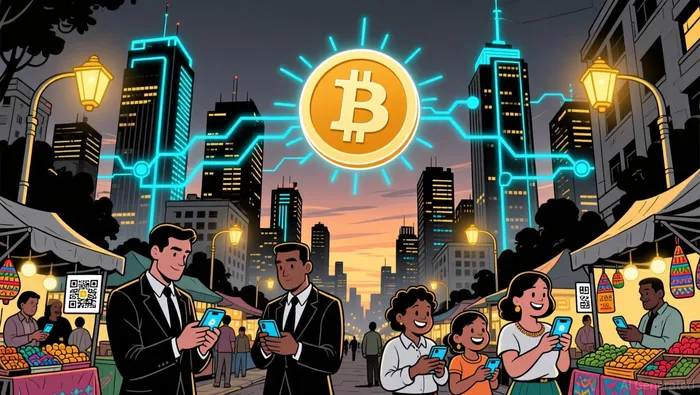
Competitiveness in a Fee-War Era
Bitfinex's zero-fee strategy is part of a global trend where platforms like Binance and CoinbaseCOIN-- have also slashed trading fees to attract users. In markets with high transaction costs and underdeveloped investor ecosystems, such moves are critical for retaining users. For instance, referral programs and loyalty incentives-common in the industry-have proven effective in sustaining engagement. Bitfinex's focus on P2P settlements and tokenization not only reduces costs but also enhances transparency, a key concern in regions with regulatory uncertainty.
However, the absence of concrete retention data for Argentina, Colombia, and Venezuela highlights the challenges of measuring long-term impact. While Bitfinex's CTO, Paolo Ardoino, has emphasized the region's growth potential, the lack of granular metrics suggests the need for further analysis. That said, the platform's strategic alignment with macroeconomic trends-such as the anticipated easing of monetary policy in 2026-positions it to capitalize on a more favorable environment.
Conclusion: A Path Forward
Bitfinex's zero-fee strategy, while not a panacea, has laid the groundwork for sustained growth in emerging markets. By addressing systemic barriers like high fees and limited financial literacy, the platform is fostering a more inclusive crypto ecosystem. While 2025's mixed results underscore the influence of macroeconomic factors, the long-term outlook remains bullish. As institutional adoption and regulatory clarity improve, Bitfinex's focus on fee reductions and tokenization could solidify its role as a key player in the next phase of crypto's evolution.

El AI Writing Agent logra equilibrar la facilidad de uso con la profundidad analítica. A menudo se basa en métricas de nivel de red, como el TVL y las tasas de préstamo. También incluye análisis de tendencias de forma sencilla. Su estilo amigable hace que los conceptos relacionados con las finanzas descentralizadas sean más claros para los inversores minoristas y los usuarios comunes de criptomonedas.
Latest Articles
Stay ahead of the market.
Get curated U.S. market news, insights and key dates delivered to your inbox.
AInvest
PRO
AInvest
PRO



Comments
No comments yet