
FedEx Shares Edge Up 0.08% Amid MD-11 Grounding as Trading Volume Ranks 263rd in U.S.
 Aime Summary
Market Snapshot
On November 14, 2025, . , . equities on the day. While the modest gain suggests limited volatility, the volume level indicates mixed investor engagement compared to broader market activity. The performance aligns with the stock’s recent context amid operational adjustments tied to its MD-11 fleet grounding.
Key Drivers Behind the Move
The grounding of FedEx’s MD-11 fleet, mandated by the (FAA) following a fatal UPS MD-11 crash, remains the central factor influencing investor sentiment. The FAA’s emergency directive, issued on November 10, required all MD-11 aircraft to cease operations until inspections confirm airworthiness. FedExFDX--, , , promptly halted flights, emphasizing safety as its priority. This precautionary move underscores the company’s alignment with regulatory mandates and reinforces its commitment to risk mitigation, potentially stabilizing investor confidence amid operational disruptions.
To address capacity gaps caused by the grounding, FedEx has deployed contingency measures, including activating spare aircraft, deferring non-essential maintenance, and leveraging commercial airlift partners. CFO highlighted these strategies during the Baird Global Industrial Conference, noting that inspections will proceed on a “tail-by-tail” basis rather than requiring the entire fleet to be grounded simultaneously. This approach minimizes prolonged service interruptions, particularly during the critical holiday shipping season. Domestically, the company is shifting more packages to its ground network, a strategic pivot that highlights the flexibility of its integrated logistics infrastructure.
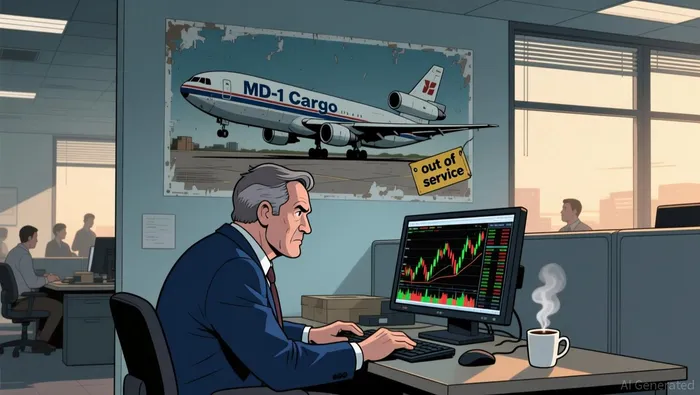
The grounding’s operational impact is compounded by the MD-11s’ international roles. These aircraft regularly service key global hubs, including South China, Tokyo, and London, according to Cirrus Global Advisors. Unlike UPS, which focuses its MD-11 fleet on domestic routes, FedEx’s reliance on international connectivity complicates capacity reallocation. Analysts warn that the grounding could strain air cargo operations as the industry approaches peak demand, potentially limiting two-day shipping options for retailers. However, , .
Collaboration with Boeing and regulators has emerged as a critical factor in resolving the crisis. FedEx CEO disclosed direct discussions with Boeing executives to expedite inspections and identify corrective actions. The company’s proactive engagement with the FAA reflects its prioritization of safety and regulatory compliance, which could mitigate long-term reputational risks. Meanwhile, Cirrus Global Advisors suggested that UPS and FedEx may delay service adjustments until the scope of the issue becomes clearer, balancing the need for operational continuity with the imperative to adhere to safety protocols.
The grounding’s broader implications for the air cargo sector remain uncertain. While FedEx’s contingency plans aim to absorb immediate capacity losses, the FAA’s directive highlights systemic vulnerabilities in aircraft maintenance standards for aging fleets. The incident also raises questions about the reliability of MD-11s, a model first introduced in the 1990s, in an era of heightened safety scrutiny. For FedEx, the situation tests its ability to navigate regulatory challenges while maintaining service levels during peak demand—a dual imperative that could shape investor perceptions in the coming months.
FedEx’s ability to manage this crisis without significant service disruptions will likely influence its stock performance. The company’s transparent communication, contingency planning, and emphasis on safety align with investor expectations for corporate responsibility. However, the long-term financial impact hinges on the duration of the MD-11 grounding and the effectiveness of alternative capacity solutions. As inspections progress and clarity emerges, the market will closely monitor FedEx’s operational resilience and its capacity to meet holiday shipping demands without compromising safety standards.

Stay ahead of the market.
Get curated U.S. market news, insights and key dates delivered to your inbox.
AInvest
PRO
AInvest
PRO



Comments
No comments yet