
FedEx Repurposes Aircraft for Heavy Cargo, Boosts European Hub
FedEx, a leading logistics companyULH--, has announced a strategic shift in its operations by repurposing one of its large cargo aircraft from its overnight package delivery network to its daytime operations focused on deferred cargo transportation. This move is part of a broader transformation of its air network, aimed at addressing the decline in package volumes, eliminating excess capacity, and reducing costs while improving customer service.
The company has introduced a new direct flight route using a BoeingBA-- 777 freighter between Liège, Belgium, and its global hub in Memphis, Tennessee. This new route increases the flight frequency on this line from five to eight times a week. The Boeing 777 freighter has been reassigned from the "Purple" network, which handles overnight express package deliveries, to the "Orange" network, dedicated to high-value international air cargo such as pharmaceuticals and automotive parts.
This strategic realignment is part of a two-year plan to streamline FedEx's air infrastructure, which has accelerated following the expiration of a major contract with the United States Postal Service in September of last year. The "Purple" network is designed for customers willing to pay a premium for the highest speed of delivery, with dedicated aircraft arriving at FedExFDX-- hubs overnight for next-day delivery. To maximize aircraft load density and ground sorting efficiency, the network has reduced the number of large cargo items mixed with packages.
FedEx has identified the $80 billion deferred air cargo market as a key growth area. By operating "Orange" flights, FedEx is directly competing with dedicated cargo airlines for high-priority, high-revenue international cargo, which generates higher profit per pound compared to heavier, less valuable goods. "Orange" flights land at major and regional sorting centers during the day, allowing staff more time to assemble high-density pallets. The "White" network is used for low-priority cargo transported on commercial passenger flights booked by FedEx's freight forwarding division.
Under this strategy, FedEx has transformed its Liège cargo station into a dedicated intercontinental cargo hub for Europe. This hub also supports transatlantic direct flights to Indianapolis and Oakland, California. Last month, FedEx added a new route from Singapore to the United States, further expanding its "Orange" network.
This strategic move by FedEx is a response to the changing dynamics of the logistics industry. By diversifying its service offerings and optimizing its fleet, FedEx aims to capture a larger share of the growing heavy cargo market. This initiative not only enhances the company's operational efficiency but also positions it as a more versatile and competitive player in the logistics sector. The repurposing of aircraft for heavy cargo transportation is expected to generate additional revenue streams and improve overall profitability, aligning with FedEx's long-term strategic goals. 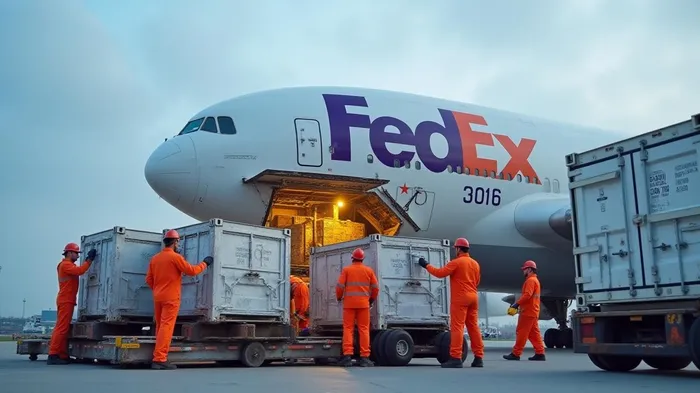

Stay ahead of the market.
Get curated U.S. market news, insights and key dates delivered to your inbox.
AInvest
PRO
AInvest
PRO



Comments
No comments yet