
Federal Reserve Faces Political Pressure, Divided on Rate Cuts
 Aime Summary
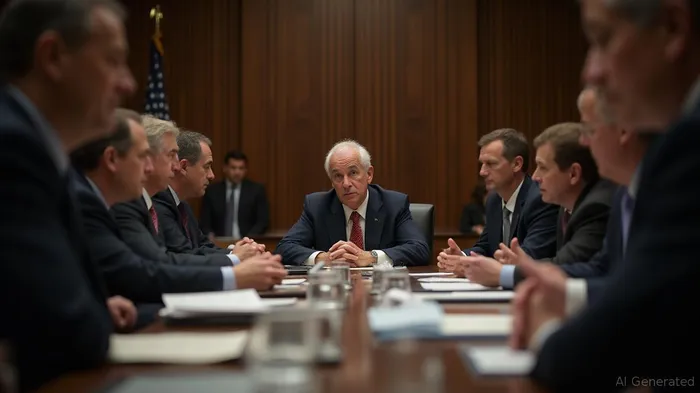
The Federal Reserve's two-day July policy meeting is set to commence on Tuesday, amidst unprecedented political pressure. The administration has repeatedly called for significant interest rate cuts, and recently, the President visited the Federal Reserve building, criticizing the renovation project as a waste of funds. This criticism is part of a broader effort to undermine the authority of the Federal Reserve Chair.
In a pre-decision analysis, a prominent financial commentator noted that the President may not receive the interest rate cut he desires when the Federal Reserve announces its decision on Wednesday. While Federal Reserve officials are expected to eventually lower rates, they are not yet prepared to do so. The primary disagreement among officials centers on the type of evidence needed to justify a rate cut and whether waiting for this evidence is itself a mistake.
Earlier this year, when inflation concerns arose due to tariff policies, Federal Reserve officials maintained a unified stance on pausing rate cuts. However, as the inflationary impact of tariffs proved lower than anticipated and signs of a slowing job market emerged, the Federal Open Market Committee is now divided into three main camps regarding the resumption of easing policies.
The middle ground, represented by officials such as the San Francisco Fed President, advocates for a cautious approach. They argue that while inflation forecasts are uncertain, delaying rate cuts indefinitely could harm the labor market. This group suggests that rate cuts may occur later this year but prefers to wait for at least two months of inflation and labor market data to confirm that the impact of tariffs is not as severe as initially feared. By September, officials will have access to two months of employment and inflation data, which could influence their decision.
Another camp, consisting of a minority of officials, favors immediate rate cuts. Two Federal Reserve governors have indicated they may vote against the current stance, advocating for an immediate reduction in rates. Their dissenting votes, if cast, would be the first in five years and would highlight the majority's cautious approach, emphasizing the need to avoid hasty actions.
Opposing these views is a more hawkish group that prefers to wait for clear evidence of economic weakness before considering rate cuts. They are concerned about rising inflationary pressures and the potential for further price increases as tariffs take full effect. This group is wary of market expectations for a potential rate cut in September, as the Federal Reserve may face its most challenging decision during a period of heightened inflationary pressures.
In summary, the Federal Reserve's decision this week will be influenced by a range of factors, including political considerations and the need to manage expectations. The current disagreements among officials reflect differing views on risk management and the potential consequences of acting too early or too late. The Federal Reserve's approach, characterized by a deliberate and measured response, aims to avoid significant errors that could take years to correct. However, some officials suggest that the Federal Reserve should begin preparing for a potential rate cut in September to reassure the public of its commitment to supporting the economy.

Stay ahead of the market.
Get curated U.S. market news, insights and key dates delivered to your inbox.






Comments
No comments yet