
Federal Reserve Cuts Rate 50 Basis Points Amid Economic Uncertainty
The U.S. economy is currently facing significant strains due to a combination of factors including the Federal Reserve's rate cut, persistent inflation, ongoing tariff disputes, and increasing credit card interest rates. The Federal Reserve maintained its benchmark interest rate at 4.25 to 4.50% for the fourth consecutive time, while credit card interest rates continued to rise. The unresolved tariff plans are further complicating the economic landscape, with geopolitical changes adding to the uncertainty.
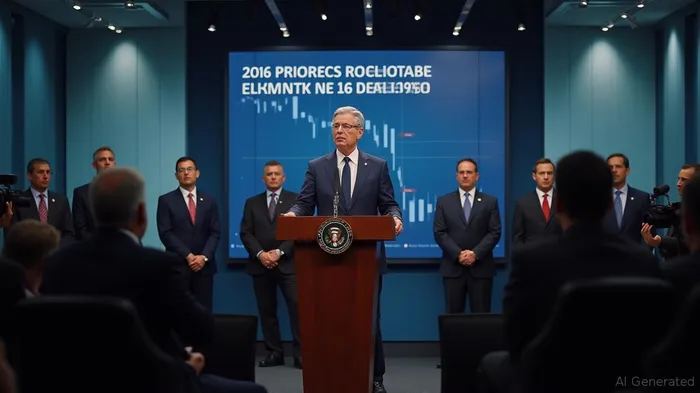
President Donald Trump has been vocal about his desire for deeper rate cuts, advocating for a 250 basis point reduction. He has criticized Federal Reserve Chair Jerome Powell for not acting more swiftly, contrasting the Fed's policies with those of global central banks, particularly the European Central Bank, which have been easing their monetary policies. In response to Trump's pressure, the Federal Reserve cut its rate by 50 basis points, the first such move since 2008. However, officials anticipate slower economic growth, rising unemployment, and persistent inflation. The GDP growth forecast has been revised down from 2.1% to 1.4%, while the unemployment rate is expected to rise from 4.2% to 4.5%. Inflation is projected to reach 3% by 2025 and remain above the 2% target through 2026.
Despite the rate cut, the economic outlook remains uncertain. Powell acknowledged that the Fed is still learning about the impact of tariffs and that business sentiment has improved in recent months. However, the labor market is showing signs of slowing down, and high interest rates on credit cards are adding to consumer burdens. Banks have kept borrowing costs high, particularly on revolving credit, which includes credit cards. The average APR on credit cards has risen to just above 20%, with new card APRs averaging 24.3%, the highest since December. Experts warn that these high interest rates are crippling for consumers, who are facing growing debt burdens.
Tariffs continue to be a significant factor in the Fed's policy decisions. If no deal is reached by July 9, U.S. tariffs on EU goods could increase to 50%. Powell admitted that the impact of tariffs has been less than expected so far, but the Fed will closely monitor their effects in the coming months. The combination of trade risks, geopolitical tensions with Iran, and domestic political pressure makes this summer critical for monetary policy. Trump's calls for aggressive action continue, but the Fed appears to be focusing on data rather than rhetoric.
The economic outlook for June 2025 reflects deep uncertainty. The Fed's rate cut of 50 basis points signals action but does not indicate a commitment to Trump's aggressive stance. Tariffs, war risks with Iran, and high consumer interest rates are weighing heavily on economic confidence. The Fed's message remains cautious, with officials waiting until September for further moves. Meanwhile, credit markets remain tight, with APRs on credit cards continuing to rise despite falling CPI inflation. The pressure is now on both policymakers and lenders to avoid tipping the economy into deeper stress.

Stay ahead of the market.
Get curated U.S. market news, insights and key dates delivered to your inbox.






Comments
No comments yet