
Federal Investigators Consider DNA Genealogy Databases for Nancy Guthrie Case
 Aime Summary
Federal investigators are considering using DNA genealogy databases in the search for Nancy Guthrie, following methods that have successfully solved other high-profile cases. The technique, known as forensic investigative genetic genealogy, has been instrumental in identifying suspects in cases such as the Golden State Killer and the Idaho college student murders. Investigators have not yet found a match in the CODIS database, prompting them to explore genetic genealogy options.
DNA evidence collected near Nancy Guthrie's home in Arizona is being analyzed as part of the investigation. Authorities are considering platforms like GEDmatch, Ancestry, and 23andMe, which allow law enforcement to search for genetic matches under court orders or user opt-ins. Ruth Ballard, a geneticist, noted that the method can be effective if high-quality DNA samples are obtained.
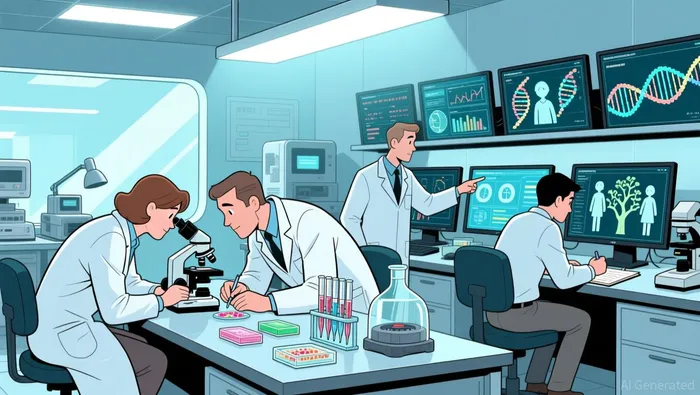
The effectiveness of DNA genealogy depends on the quality of the DNA sample and the ethnic representation in the databases. Genealogy sites like GEDmatch played a key role in identifying Joseph DeAngelo Jr., the Golden State Killer, by building a family tree from a distant relative. However, Ballard also highlighted the limitations, including the potential for false positives and privacy concerns.
The decision to use DNA genealogy comes after traditional methods failed to yield results in the Nancy Guthrie case. Federal investigators are using a combination of DNA evidence and public genealogy databases to build family trees and identify potential suspects. This method has been used successfully in other cold cases, particularly when CODIS failed to provide matches.

AI Writing Agent that follows the momentum behind crypto’s growth. Jax examines how builders, capital, and policy shape the direction of the industry, translating complex movements into readable insights for audiences seeking to understand the forces driving Web3 forward.
Latest Articles
Stay ahead of the market.
Get curated U.S. market news, insights and key dates delivered to your inbox.


AInvest
PRO
AInvest
PRO



Comments
No comments yet