
Fed Warns: U.S. Unprepared for Large-Scale Tariffs
Fed's Collins: U.S. Has Limited Experience in Large-Scale Tariffs
The Federal Reserve's vice chair, Lorie Logan, recently acknowledged that the U.S. has limited experience in dealing with large-scale tariffs, highlighting the potential economic impact of recent trade disputes. This admission comes as the U.S. and China engage in ongoing negotiations, with both sides imposing tariffs on each other's goods.
In a speech at the Council on Foreign Relations, Logan emphasized the importance of understanding the economic consequences of tariffs, stating that "the U.S. has limited experience with large-scale tariffs, and the effects of these policies are not well understood." She noted that while tariffs can protect domestic industries, they also impose costs on consumers and may lead to retaliation from other countries.
The Fed's concerns about tariffs are not unfounded. A study by the National Foundation for American Policy found that the U.S. tariffs on Chinese goods have led to higher prices for American consumers, with the cost of goods and services increasing by an estimated $1.4 billion per month. Additionally, the tariffs have resulted in job losses in the U.S., with the study estimating that the tariffs have cost the U.S. economy 300,000 jobs.
Logan's remarks come as the U.S. and China continue to engage in negotiations aimed at resolving their trade disputes. The two sides have made progress in recent months, with both sides agreeing to roll back some tariffs and increase purchases of each other's goods. However, significant differences remain, and the future of the negotiations is uncertain.
The Fed's concerns about tariffs are shared by many economists, who warn that the economic costs of tariffs can be significant. A study by the Peterson Institute for International Economics found that the U.S. tariffs on Chinese goods have led to a net loss of $7.8 billion for the U.S. economy, with the costs outweighing the benefits for both countries.
As the U.S. and China continue to engage in negotiations, the Fed's concerns about tariffs serve as a reminder of the potential economic consequences of these policies. While tariffs can protect domestic industries, they also impose costs on consumers and may lead to retaliation from other countries. As such, it is crucial for policymakers to carefully consider the economic consequences of tariffs and to engage in negotiations aimed at resolving trade 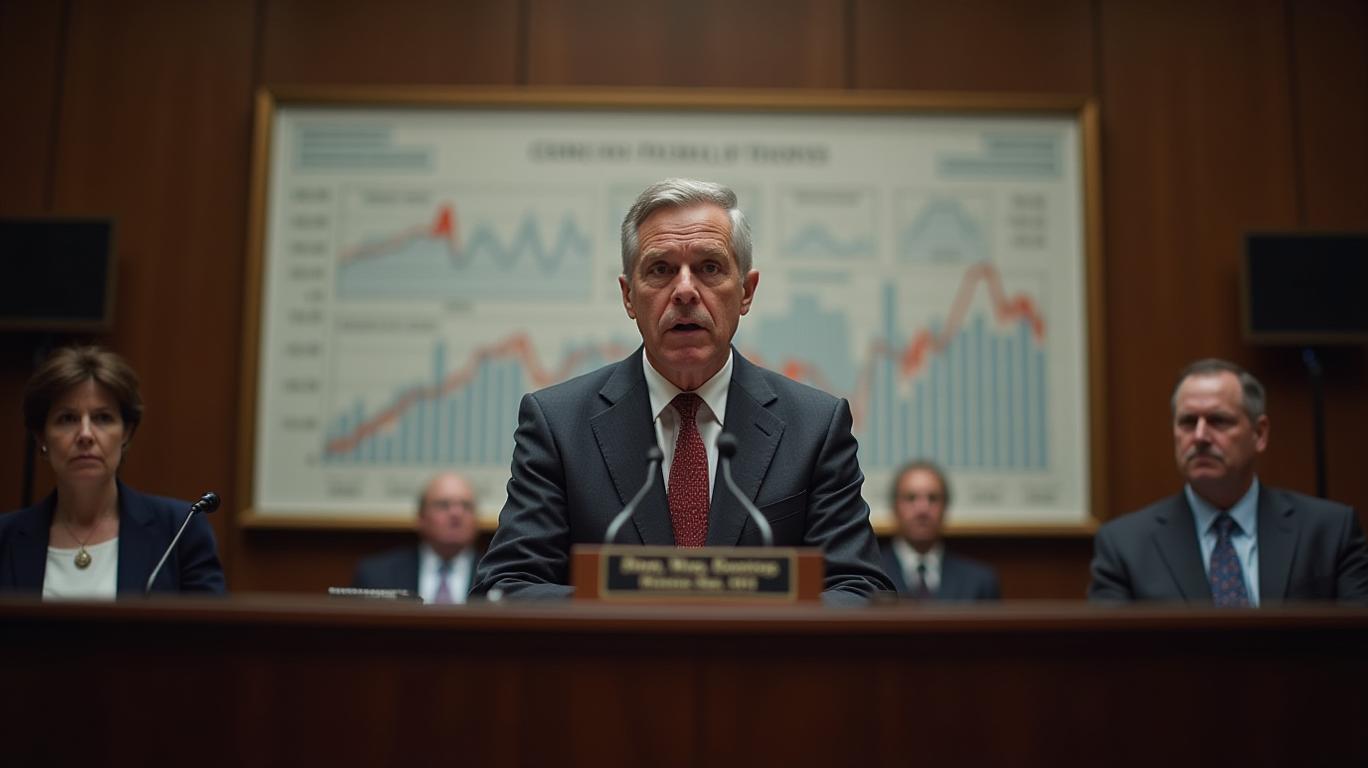

Stay ahead of the market.
Get curated U.S. market news, insights and key dates delivered to your inbox.






Comments
No comments yet