
Fed Torn Between Inflation Control and Labor Market Stability as December Decision Looms


 Aime Summary
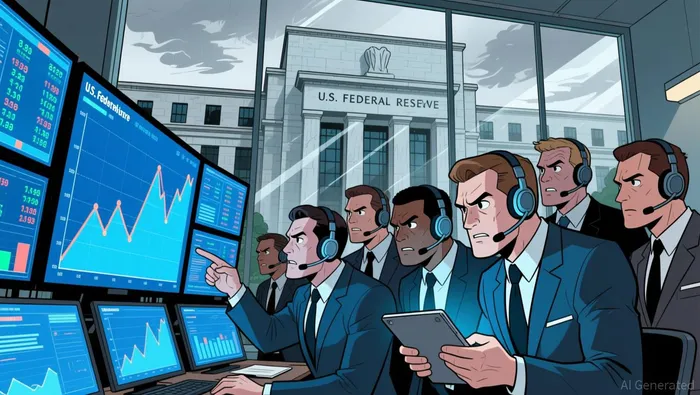
The Federal Reserve's December interest rate decision has become a focal point for markets, with traders and analysts divided over whether the central bank will cut borrowing costs amid a mixed economic landscape. As of November 21, the probability of a 25-basis-point rate reduction in December stood at 39.6%, while the likelihood of no adjustment was 60.4%. This uncertainty reflects internal divisions within the Fed, with officials disagreeing on whether to continue its recent easing cycle after two consecutive rate cuts in September and October.
The Fed's dual mandate-balancing inflation control and maximum employment-has complicated decision-making. While inflation has eased to 3% from a near five-year high, it remains above the 2% target, prompting some policymakers to caution against premature cuts. Meanwhile, the labor market has shown resilience, with September's jobs report revealing 119,000 payroll gains, defying expectations of a slowdown. Fed Chair Jerome Powell has emphasized that a December cut is not a "foregone conclusion," underscoring the need for more data amid a backlog of economic reports caused by the recent government shutdown.
 Bitcoin, which had briefly rebounded above $84,000 following dovish remarks from New York Fed President John Williams, remains volatile amid shifting expectations. The cryptocurrency's price dipped to $81,629 on November 21, reflecting broader market jitters as traders recalibrate to the Fed's potential pause in rate cuts. The selloff in crypto markets mirrored declines in equities, with the Dow Jones Industrial Average and S&P 500 futures rising modestly after a turbulent week marked by AI sector volatility and concerns over stretched valuations.
The Fed's policy uncertainty has also influenced corporate behavior. Hyperscalers like Amazon are issuing debt to fund AI infrastructure, while leveraged crypto positions face margin pressures as open interest in BitcoinBTC-- futures contracts falls 35% from October's peak. Analysts note that a Fed pause could prolong high borrowing costs for consumers, exacerbating cost-of-living concerns even as the economy shows resilience.
With the Federal Open Market Committee set to meet December 9-10, markets remain fixated on whether the Fed will prioritize inflation risks or labor market stability. The delayed release of key economic reports, including October's jobs report, has added to the fog, with policymakers acknowledging the challenge of navigating "driving in the fog". For now, the path forward hinges on whether incoming data reinforces the case for a cut-or cements the case for patience.

Stay ahead of the market.
Get curated U.S. market news, insights and key dates delivered to your inbox.


AInvest
PRO
AInvest
PRO



Comments
No comments yet