
Fed Shifts Course, Cuts Rates as Outlook Softens and Statement Changes


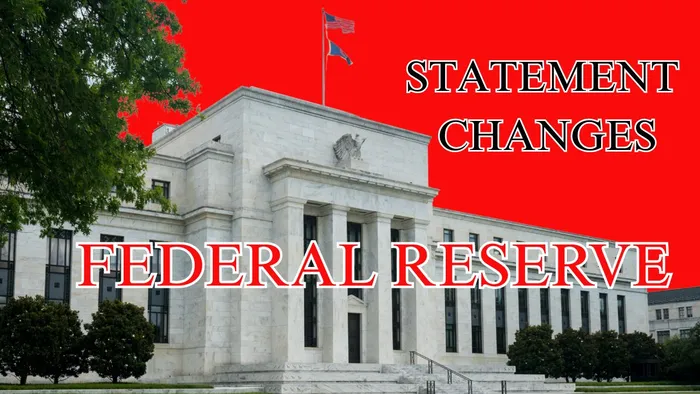
The Federal Open Market Committee’s (FOMC) statement released December 10 marks a continuation of the Federal Reserve’s recent shift toward monetary easing but introduces several key changes from its prior communication on October 29. While both statements describe a slowing labor market and elevated inflation, the new release sharpens its focus on employment risks and signals fresh liquidity support through Treasury purchases.
In the December statement, the Fed again characterized the economy as expanding “at a moderate pace,” identical to October’s language. However, the employment section now omits October’s qualification that unemployment “remained low through August,” reflecting a less upbeat assessment. The new version simply notes that the jobless rate “has edged up through September,” suggesting that labor market softening has persisted.
The treatment of inflation remains consistent in tone but subtly different in emphasis. Both statements acknowledge that “inflation has moved up since earlier in the year and remains somewhat elevated.” Yet, the accompanying policy actions diverge: the December release frames the rate cut as part of a broader “shift in the balance of risks,” while October’s statement attributed its earlier cut to the same balance shift but stopped short of describing inflation momentum beyond that observation.
The most concrete change is in policy action. The Committee lowered the federal funds rate by ¼ percentage point to a range of 3½ to 3¾ percent, following October’s identical-sized cut to 3¾ to 4 percent. The repetition of the phrase “in light of the shift in the balance of risks” signals policy continuity, but the decision marks the second consecutive easing step, bringing the cumulative reduction to half a percentage point over two meetings.
The December statement introduces a new operational measure absent in October: “The Committee judges that reserve balances have declined to ample levels and will initiate purchases of shorter-term Treasury securities as needed to maintain an ample supply of reserves on an ongoing basis.” This addition indicates the beginning of liquidity support operations—language not present in the October release, which instead announced the conclusion of the reduction of aggregate securities holdings on December 1. Together, the two statements depict a pivot from ending quantitative tightening to initiating limited balance sheet expansion.
The description of risks has also evolved. In October, the Fed said it “judges that downside risks to employment rose in recent months.” The December statement retains this phrasing but deepens it by stating that these risks influenced the decision to lower rates “in light of the shift in the balance of risks.” This repetition underscores the Committee’s growing concern that weakening employment could undermine its dual mandate, even as inflation remains above target.
Forward guidance language remains largely unchanged. Both statements reaffirm that the Committee will “carefully assess incoming data, the evolving outlook, and the balance of risks,” and will “adjust the stance of monetary policy as appropriate if risks emerge that could impede the attainment of the Committee’s goals.” However, the December release drops October’s reference to concluding balance sheet reductions, substituting it with the new reserve management policy, marking a clear transition point in the Fed’s operational stance.
The voting record in December also reflects subtle but notable shifts in Committee dynamics. Stephen I. Miran dissented in favor of a larger ½ point cut, while Jeffrey R. Schmid preferred no change. Austan D. Goolsbee voted with the majority in October but joined Schmid in dissenting against the December cut. The new opposition thus expanded to include one additional dissenting vote.
Taken together, the December 10 FOMC statement continues the easing trajectory that began in October but signals a new phase: one in which the Federal Reserve is supplementing rate reductions with active liquidity management. The changes in tone—from emphasizing “low unemployment” to highlighting “rising downside risks to employment”—and the operational pivot from balance sheet runoff to Treasury purchases indicate a central bank shifting focus from inflation containment to economic stabilization as growth and hiring soften.

Expert analysis on U.S. markets and macro trends, delivering clear perspectives behind major market moves.
Latest Articles
Stay ahead of the market.
Get curated U.S. market news, insights and key dates delivered to your inbox.


AInvest
PRO
AInvest
PRO



Comments
No comments yet