
Fed Set to Hold Rates Steady on Wednesday, but Key Questions Remain as Powell Caught in a Political Whirlpool
 Aime Summary
The Federal Reserve is set to deliver its first rate decision of 2026, also marking Chair Jerome Powell's first public appearance since facing a criminal investigation. While the policy outcome itself is widely seen as a foregone conclusion, with less than five months left in his term, what Powell says about future rate guidance, how he responds to legal and political pressure, and what it means for his role going forward are all expected to make major headlines.
What is essentially locked in is that the Fed will stand pat this time, placing a temporary pause in the easing cycle. The FOMC is expected to maintain a patient stance, waiting for the impact of last year's three consecutive rate cuts to filter through the economy.
According to FedWatch data, there is a 97% probability that the Fed leaves rates unchanged at this meeting. Markets still expect one to two rate cuts later this year, most likely in June and December. It is also worth noting that Powell's term as Fed chair ends on May 15, but he will continue serving as a governor until January 2028, meaning his influence over monetary policy could remain substantial.
This meeting centers on two key questions: whether the overall policy tone is more dovish or hawkish, and how Powell addresses the intensifying political turmoil surrounding him.
On the policy front, a hawkish FOMC statement would imply a prolonged pause in rate cuts, while a dovish hold would suggest that further easing remains likely—just not immediately. Historically, however, the Fed is likely to stick to its data-dependent approach, leaving decisions open and avoiding firm commitments.
Morgan Stanley Chief Economist Michael Gapen offered an optimistic view: "We think recent stabilization in the labor market and solid activity data will be the main drivers behind the decision to pause rate cuts, while incoming inflation data will keep the Fed confident enough about disinflation later this year to retain an easing bias," Gapen said in a note. "We do not believe committee members are ready to signal an end to the cutting cycle."
Yet market attention is not confined to rates. The bigger story is how a central bank that prides itself on independence is becoming ever more entangled in politics, especially as Donald Trump prepares to announce a new Fed chair and expand his influence over interest-rate policy.
Trump said last week that he has narrowed Powell's successor down to a single candidate, with an announcement potentially coming as soon as this week and possibly timed to coincide with the rate decision. Leading contenders reportedly include former Fed Governor Kevin Warsh, current Governor Christopher Waller, and Rick Rieder, BlackRock's head of fixed income.
"If there is a single most likely window, it's during the January FOMC—particularly if Trump is looking to redirect attention away from a Fed that didn't cut," Stephanie Roth, chief economist at Wolfe Research, said in a note. "More broadly, the decision could come as soon as this week, or within the next couple of weeks."
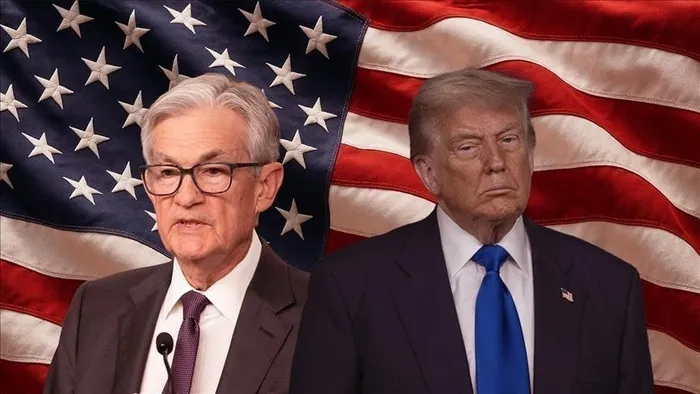
At the same time, the Justice Department has served Powell with a subpoena seeking information related to the renovation of the Fed's Washington headquarters. In a video statement, Powell said, "The threat of criminal charges is a consequence of the Federal Reserve setting interest rates based on our best assessment of what will serve the public, rather than following the preferences of the president."
Many see this as an implicit threat from Trump, aimed at pressuring Powell to step aside once his term as chair ends, instead of remaining on the Board of Governors. "Well, he's billions of dollars over budget, so he's either incompetent or he's crooked. I don't know what he is, but certainly he doesn't do a very good job," Trump told reporters on the White House lawn.
Against this backdrop, Powell's comments on his future role will be critical. If he publicly signals that he intends to remain a Fed governor, his influence could stay formidable—potentially even outweighing that of a newly appointed chair—an outcome Trump is keen to avoid.
Overall, while this meeting is unlikely to deliver any surprises on rates, the "subtext" may matter far more. As Trump continues to roil markets, the dollar weakens, and gold surges to new highs, how Powell defends himself and the Fed's independence could have far-reaching consequences well beyond this single policy decision.

Crypto market researcher and content strategist with 3 years of experience in digital asset analysis and market commentary. Skilled at transforming complex blockchain data and trading signals into clear, actionable insights for investors. Experienced in covering Bitcoin, Ethereum, and emerging ecosystems including DeFi, Layer2, and AI-related projects. Passionate about bridging professional market research with accessible storytelling to empower readers and investors in the fast-evolving crypto landscape.
Latest Articles
Stay ahead of the market.
Get curated U.S. market news, insights and key dates delivered to your inbox.


AInvest
PRO
AInvest
PRO



Comments
No comments yet