
The Fed's September Rate Cut: A Strategic Inflection Point for Equities and Bonds?


 Aime Summary
The Federal Reserve's dovish pivot, signaled by Jerome Powell at Jackson Hole 2025, has ignited a firestorm of speculation about the September rate cut. With 91% odds of a 25-basis-point reduction at the September 17 meeting, investors are scrambling to reposition portfolios. But this isn't just about chasing rate cuts—it's about navigating a complex web of sector rotation, bond duration strategies, and the lingering shadow of tariff-driven inflation. Let's break it down.
The Fed's Dovish Pivot: A New Playbook
Powell's speech was a masterclass in subtlety. He didn't explicitly commit to aggressive cuts but left the door wide open for a “baseline outlook” that favors easing. The key takeaway? The Fed is now prioritizing a “balanced” approach to its dual mandate, acknowledging that employment risks (rising layoffs, slower labor force growth) outweigh inflation's stubbornness. This shift is critical for equities and bonds alike.
Sector Rotation: Housing, Small-Cap, and AI Take Center Stage
The housing sector is the most obvious beneficiary. Mortgage rates, which peaked at 7.5% in mid-2025, are projected to dip below 6% by year-end. This creates a tailwind for homebuilders like Lennar (LEN) and D.R. Horton (DHI), as well as construction materials firms such as Builders FirstSource (BLDR). Historical data shows housing stocks outperform by 8–10% in the 6–12 months following the first rate cut—a pattern worth betting on.
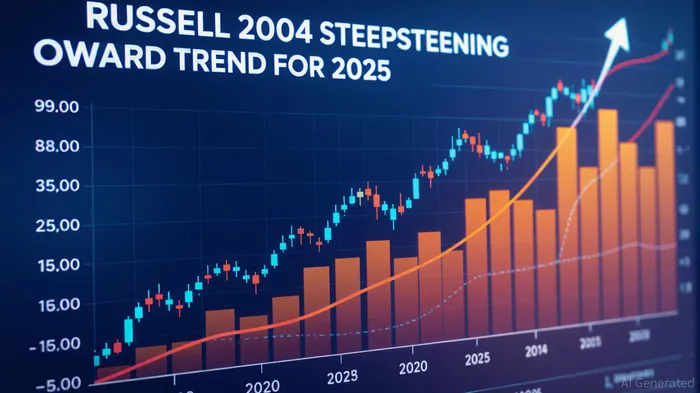
Small-cap stocks, represented by the Russell 2000 (RUT), are another prime target. These companies thrive on lower borrowing costs, and the index surged 5.8% in late 2024 after a 50-basis-point cut. However, volatility remains a concern. Investors should consider a “buy-the-dip” strategy, especially if the September cut materializes.
AI-driven tech firms, including NVIDIA (NVDA) and Microsoft (MSFT), also stand to gain. Lower discount rates make long-term R&D investments more attractive, and the sector's earnings resilience—despite tariff pressures—suggests further upside. A diversified approach, combining megacap exposure (e.g., Nasdaq-100 ETF (QQQ)) with specialized AI ETFs like ARKK, could capture this growth.
Bond Duration: Navigating the Yield Curve and Inflation
The Fed's pivot has triggered a steepening yield curve, with 10-year Treasury yields dropping to 4.26% from 4.33%. This creates a compelling case for long-duration strategies. Investors should consider:
- Long-dated Treasuries: Benefiting from falling rates.
- Mortgage-backed securities (MBS): Housing demand will drive prepayment risks down.
- TIPS: A hedge against residual inflation from tariffs.
However, the Trump administration's trade policies remain a wildcard. Tariffs are squeezing corporate margins and consumer wallets, with J.P. Morgan estimating a 0.5–1.0% drag on 2026 GDP. While the Fed's easing may offset some of this, bond investors must balance duration with inflation protection.
Timing the Market: September as the Inflection Point
The September meeting is the linchpin. A 25-basis-point cut would likely trigger a rotation into cyclical sectors and AI-driven tech. But timing is everything. Investors should:
1. Enter housing and small-cap positions ahead of the September cut.
2. Adjust bond portfolios to include 10-year Treasuries and TIPS.
3. Monitor tariff developments—a spike in trade tensions could force a reevaluation.
The Bottom Line
The Fed's September rate cut isn't just a technical adjustment—it's a strategic inflection point. For equities, it's a green light for housing, small-cap, and AI. For bonds, it's a chance to capitalize on a steepening curve while hedging inflation. But don't ignore the risks: tariffs and rising deficits could complicate the narrative. Position now, but stay nimble. The market's next move hinges on Powell's September decision—and the Fed's credibility in delivering it.

Decoding blockchain innovations and market trends with clarity and precision.
Latest Articles
Stay ahead of the market.
Get curated U.S. market news, insights and key dates delivered to your inbox.




Comments
No comments yet