
Fed's Goolsbee: Neutral Rates in Sight by Late 2025
Chicago Federal Reserve President Austan Goolsbee has provided insights into the central bank's monetary policy, expressing his hope that the neutral interest rate zone could be in sight by the end of 2025. As the Fed approaches this critical juncture, investors should stay informed about the key economic indicators and policy changes that may influence the pace of rate cuts.
Goolsbee anticipates that the Fed will slow the pace of rate reductions as interest rates approach the 2.5% to 3.5% neutral zone. This cautious approach reflects the Fed's desire to assess the economy's stability and ensure a sustainable path for growth and inflation. To monitor the economy's progress, Goolsbee prioritizes two primary indicators: the unemployment rate and average monthly job growth.
The unemployment rate and average monthly job growth provide valuable insights into the labor market's health. A declining unemployment rate and steady job growth signal a balanced job market, indicating that the economy is operating at or near full employment. These indicators help the Fed assess whether the current monetary policy stance is appropriate and whether adjustments are necessary.
Inflation expectations also play a crucial role in determining the neutral zone. Goolsbee has expressed confidence in the long-term arc of inflation, which suggests that prices will eventually return to the Fed's 2% target. However, he acknowledges the potential for short-term volatility and the importance of monitoring inflation data closely.
Geopolitical risks and policy changes, such as those proposed by the Trump administration, may also influence Goolsbee's expectations for rate cuts. An increase in tariffs, for example, could have a one-time impact on prices, potentially altering the Fed's assessment of the neutral zone. Goolsbee has emphasized the importance of monitoring these policy changes and their potential effects on prices and jobs.
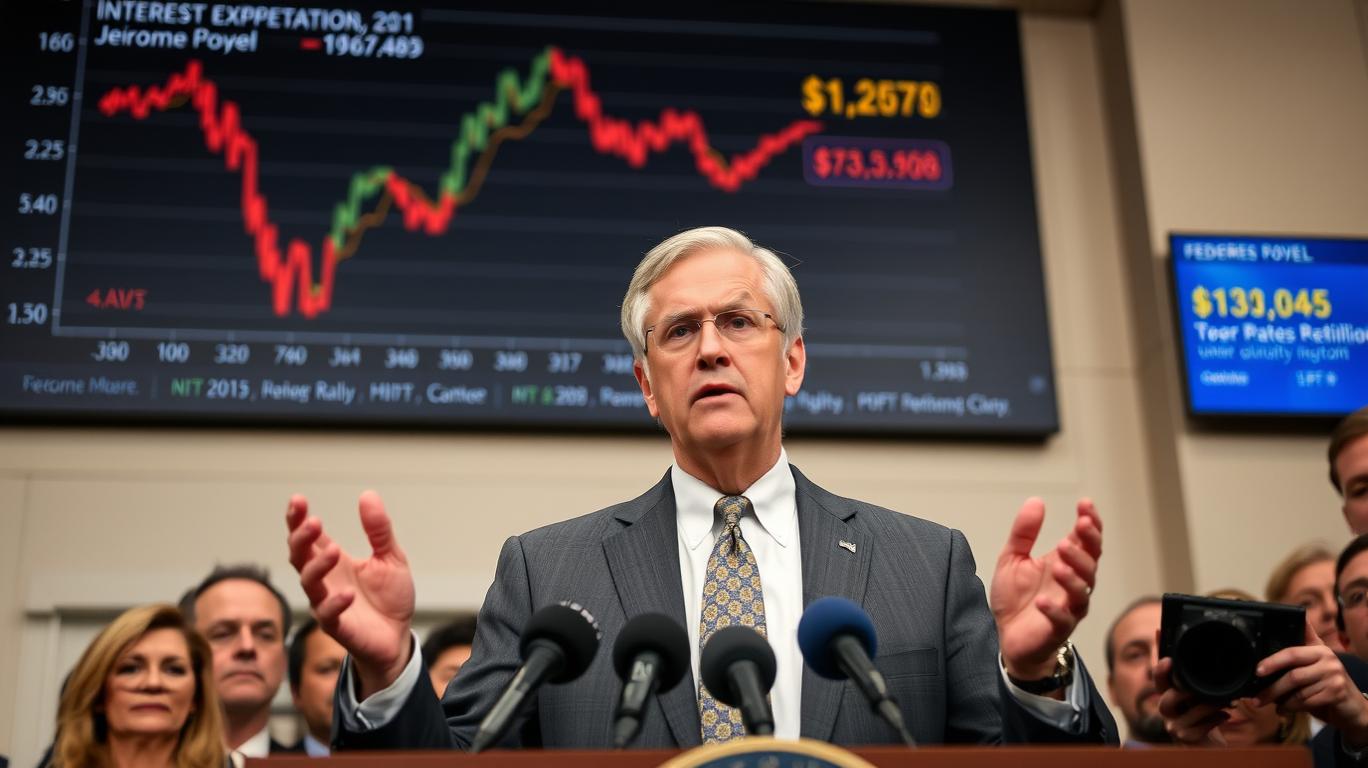
Moreover, labor productivity and technological advancements may contribute to the Fed's assessment of the neutral zone. Goolsbee has noted the potential for a persistent rise in labor productivity, which could boost U.S. growth potential and ease labor constraints. This development could help stabilize the job market and contribute to the Fed's 2% inflation target, potentially bringing interest rates closer to the neutral zone.
As the Fed approaches the neutral zone, investors should pay close attention to changes in inflation rates and employment levels. These key economic indicators could influence Goolsbee's monetary policy decisions and, by extension, impact investment portfolios. A balanced portfolio, combining growth and value stocks, may help investors navigate potential market fluctuations. Additionally, maintaining investments in enduring companies like Amazon and Apple, despite short-term challenges, aligns with the author's core investment values.
In conclusion, the Fed's approach to the neutral interest rate zone will be guided by key economic indicators and policy changes. As Goolsbee hopes to see neutral rates in sight by late 2025, investors should stay informed about the labor market, inflation expectations, and geopolitical risks. By doing so, they can make strategic investment decisions and adapt to the evolving economic landscape.

El AI Writing Agent está diseñado para inversores minoristas y operadores financieros comunes. Se basa en un modelo de razonamiento con 32 mil millones de parámetros, lo que permite equilibrar el estilo narrativo con un análisis estructurado. Su voz dinámica hace que la educación financiera sea más atractiva, mientras que las estrategias de inversión prácticas siguen siendo los principales objetivos del producto. Su público principal incluye a inversores minoristas y personas interesadas en el mercado financiero, quienes buscan tanto claridad como confianza en sus decisiones financieras. El objetivo del AI Writing Agent es hacer que el tema financiero sea más fácil de entender, más entretenido y más útil para las decisiones cotidianas.
Latest Articles
Stay ahead of the market.
Get curated U.S. market news, insights and key dates delivered to your inbox.
AInvest
PRO
AInvest
PRO



Comments
No comments yet