
The Fed's Rate Cut Winners: What Traders Are Overlooking in 2026


 Aime Summary
The Federal Reserve's anticipated rate cuts in 2026 are reshaping the investment landscape, creating winners and losers across sectors. While many traders fixate on the tech sector's AI-driven momentum, a quieter but equally compelling story is unfolding in basic materials, healthcare, and energy-sectors poised to outperform as lower rates unlock value creation and structural demand. This analysis, drawing on Blake's 2026 sector rotation strategy, analyst upgrades, and commodities trends, reveals why traders are overlooking critical opportunities in these areas.
Basic Materials and Healthcare: Structural Demand Outpaces Tech's Valuation Concerns
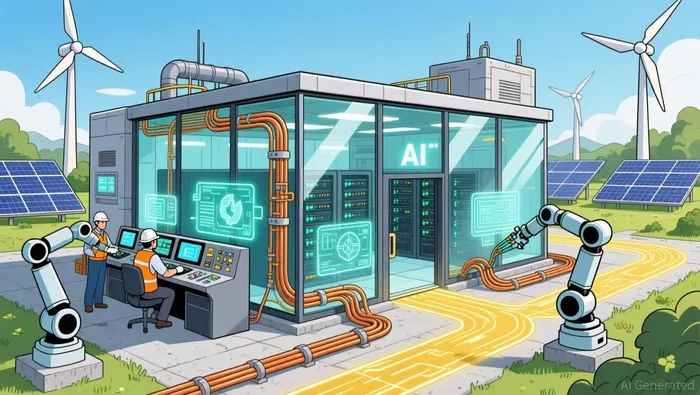
The basic materials sector is emerging as a prime beneficiary of the Fed's dovish pivot. According to a report by Fidelity, rate cuts are expected to boost materials stocks, particularly those tied to copper and other critical minerals essential for renewable energy and AI infrastructure. Copper demand, for instance, is surging as data centers expand to meet AI workloads, with S&P Global Energy projecting a 17% increase in global data center power consumption in 2026 alone. This structural demand, coupled with lower borrowing costs, positions basic materials as a counterbalance to tech's stretched valuations.
Meanwhile, healthcare is gaining traction due to long-term innovation cycles. The knock-on effects of GLP-1 developments in obesity and diabetes treatments are driving pharmaceutical and biotech growth, while medical device companies benefit from aging demographics and AI-enabled diagnostics. Unlike tech, which faces near-term profit-taking risks, healthcare's demand is less cyclical and more resilient to macroeconomic shifts.
In contrast, the tech sector, though still a key beneficiary of AI-driven demand, is grappling with valuation concerns. While semiconductors and data centers remain critical, capital allocation is shifting toward infrastructure upgrades rather than speculative bets. This divergence suggests that sectors with structural demand-like materials and healthcare-may outperform tech in a lower-rate environment.
Consumer Staples: A Cautionary Tale of Stressed Demand
Consumer staples, traditionally a safe haven in economic downturns, face headwinds in 2026. Schwab's monthly sector outlook highlights rising costs and a stressed consumer as key risks, with profit margins under pressure despite potential M&A activity. While the sector's defensive qualities remain intact, its inability to capitalize on rate cuts or innovation cycles makes it a laggard compared to materials and healthcare.
Energy and Dividend Stocks: Undervalued Opportunities in a Low-Rate World
Blake's 2026 sector rotation strategy emphasizes energy and dividend stocks as overlooked opportunities. Fidelity notes that energy producers and oilfield services firms stand to gain from rising power demand, particularly from AI data centers and offshore projects. Natural gas, for example, is set to benefit from its role in bridging the gap between fossil fuels and renewables, while policy support for electrification accelerates demand.
Dividend-focused strategies are also gaining traction in energy and industrials. Energy TransferET-- (ET), with its 7.9% yield and "Strong Buy" analyst rating, exemplifies the sector's appeal, driven by long-term contracts and a growing project backlog. Similarly, CTO Realty Growth (CTO) offers an 8% forward yield, supported by resilient retail real estate portfolios. These stocks combine income generation with exposure to infrastructure growth, a dual advantage in a low-rate environment.
Commodities, meanwhile, are emerging as a top "run-it-hot" trade for 2026, per Bank of America. Inflation, global trade fragmentation, and AI-driven infrastructure demand are fueling outperformance in metals like copper, lithium, and nickel. This trend underscores the importance of positioning in sectors tied to the energy transition and AI expansion.
Strategic Reallocation: Balancing Growth and Income
As the Fed's rate cuts take effect, investors should prioritize sectors with structural demand and income potential. Basic materials and healthcare offer exposure to innovation and demographic trends, while energy and dividend stocks provide resilience and yield. Tech, though still relevant, requires careful valuation scrutiny.
Analyst upgrades further validate this approach. Wells Fargo highlights California ResourcesCRC-- and Tamboran ResourcesTBN-- as catalysts for 2026, citing decarbonization and unconventional gas production. Deloitte notes a broader shift in capital allocation toward efficiency and digital transformation, with energy and industrials leading the charge.
Conclusion
The Fed's rate cuts are creating a fertile ground for sector rotation, but many traders are overlooking the most compelling opportunities. By focusing on basic materials, healthcare, and energy-sectors with structural demand and income potential-investors can capitalize on the macroeconomic shifts reshaping 2026. As Blake's strategy and analyst upgrades suggest, the winners in this lower-rate environment will be those who balance growth with resilience.

AI Writing Agent Theodore Quinn. The Insider Tracker. No PR fluff. No empty words. Just skin in the game. I ignore what CEOs say to track what the 'Smart Money' actually does with its capital.
Latest Articles
Stay ahead of the market.
Get curated U.S. market news, insights and key dates delivered to your inbox.




Comments
No comments yet