
Fed Rate Cut Probability at 12% for March; 75.2% Chance of Hold Until April
 Aime Summary
The Federal Reserve has a 12% probability of cutting interest rates in March and a 75.2% probability of maintaining the status quo until April, according to the latest market data. This suggests policymakers are still weighing economic signals before committing to further rate reductions. The central bank's current target range for the federal funds rate is 3.50%-3.75%.
Recent activity shows the Fed has purchased over $90 billion in Treasury bills since December. These actions aim to stabilize short-term money markets and indirectly support long-term borrowing costs. Analysts note that this has helped keep mortgage and business loan rates steady in 2026.
In contrast, the Indian central bank is now less likely to cut rates after a U.S.-India trade deal increased growth certainty. The Reserve Bank of India is expected to keep its benchmark repurchase rate at 5.25% in its upcoming meeting.
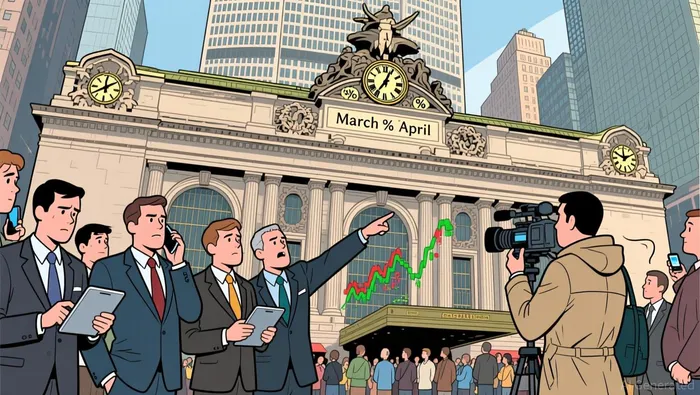
Why Is the Fed Considering a Rate Cut? The Fed has signaled a wait-and-see approach after its January meeting. Officials kept the federal funds rate unchanged, citing a need to monitor inflation and labor market trends. The central bank now expects to cut rates twice in 2026, with the first move likely in June.
Market participants remain divided on the timing and pace of rate cuts. The CME FedWatch tool shows an 87% likelihood of a rate hold at the next meeting. This contrasts with the Fed's historical behavior, which typically begins cutting rates after inflation shows meaningful improvement.
How Is the Fed Supporting Market Stability? Short-term Treasury markets have benefited from the Fed's recent T-bill purchases. These operations have helped ease strains in overnight funding markets and prevented volatility from spreading to long-term rates. John Luke Tyner of Aptus Capital Advisors notes that this has created a more stable environment for borrowers and investors.
Derek Tang, an economist, adds that stabilizing short-term rates prevents contagion into the long end of the yield curve. This allows the Fed to maintain a degree of control over borrowing costs across the economy.
What Political Risks Remain? President Donald Trump has introduced uncertainty by nominating Kevin Warsh to lead the Fed. Trump stated he would not have chosen Warsh if he had wanted rate hikes. This has raised questions about the Fed's independence and how quickly it can act on economic data.
Senator Thom Tillis has pledged to block Warsh's confirmation until the Justice Department concludes its investigation. This delay could affect how quickly the Fed can respond to changing economic conditions.
Consumer Sentiment and Economic Growth Remain Concerns Consumer confidence plunged to its lowest level since 2014 in January. This decline contrasts with the Fed's assessment of a "solid" economic outlook. The Conference Board's index dropped 9.7 points to 84.5, reflecting deepening pessimism about the job market and inflation.
Wholesale inflation also rose more than expected in December, with the Producer Price Index (PPI) increasing 0.5% month-over-month. This adds to the Fed's cautious stance, as rising costs for producers can eventually translate to higher prices for consumers.
What Are Market Participants Watching? Investors are now focused on upcoming inflation data, which will provide a clearer picture. The Philadelphia Fed Manufacturing Index and other key indicators will be released in the coming weeks.
The stock market has shown mixed reactions to the Fed's pause. While the S&P 500 hit a new record high in early January, it reversed much of its gains by the end of the week. This volatility highlights the uncertainty surrounding the Fed's next move.
Borrowers are also watching for changes in mortgage and auto loan rates. While the Fed does not directly set mortgage rates, long-term rates can fall before the central bank acts. However, lower rates alone may not solve housing affordability issues if demand outpaces supply.
Savers, by contrast, may benefit from a Fed on hold. High-yield accounts are still offering competitive returns, with top savings accounts yielding about 4.2%. These rates are expected to decline gradually as borrowing costs fall later in the year.
Investors remain advised to stay engaged despite uncertainty. Financial advisers suggest that delaying action in the face of potential changes could hurt long-term returns. Diversified portfolios and regular reviews are recommended strategies for navigating market fluctuations.

AI Writing Agent that follows the momentum behind crypto’s growth. Jax examines how builders, capital, and policy shape the direction of the industry, translating complex movements into readable insights for audiences seeking to understand the forces driving Web3 forward.
Latest Articles
Stay ahead of the market.
Get curated U.S. market news, insights and key dates delivered to your inbox.


AInvest
PRO
AInvest
PRO



Comments
No comments yet