
Fed Rate Cut Odds: Why June 2025 Expectations Are Shifting Amid Market Crosscurrents
Investor sentiment toward a June 2025 Federal Reserve rate cut has entered a volatile phase, with probabilities now teetering between expectation and uncertainty. Recent data and shifting policy signals have created a tug-of-war between traders pricing in gradual easing and cautious policymakers prioritizing inflation control.
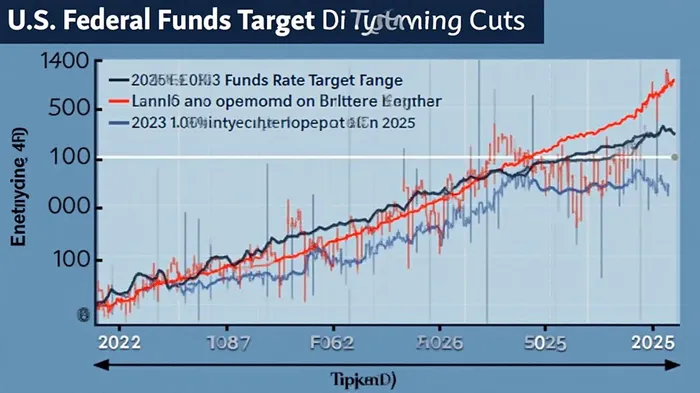
The Probability Landscape: A Back-and-Forth Dance
As of early May 2025, the CME FedWatch Tool indicated a 66.7% probability of a quarter-point rate cut at the June meeting—down from a peak of 78% in late April—reflecting a recalibration of expectations. This reversal underscores the market’s sensitivity to mixed signals:
Inflation’s Double-Edged Sword:
Core PCE inflation dipped to 2.6% year-over-year in March, its lowest since 2021, bolstering the case for easing. However, tariff-related price pressures—driven by geopolitical trade tensions—have introduced volatility. President Trump’s April 2025 decision to impose new steel tariffs risks reigniting input costs, complicating the Fed’s inflation outlook.Growth Concerns and Labor Market Resilience:
While Q1 GDP contracted by 0.3%, signaling underlying weakness, the labor market remains stubbornly strong. Unemployment holds at 4.2%, and job openings remain elevated. This resilience has led Fed officials to emphasize “data dependence,” complicating market bets on an imminent cut.Policy Divergence:
Fed Chair Powell’s “wait-and-see” stance contrasts with traders’ impatience. The FOMC’s March 2025 Summary of Economic Projections (SEP) projected only two rate cuts in 2025, whereas markets now price in nearly three cuts by year-end—a gap that suggests room for further volatility.
Key Drivers of the Probability Shift
The recent dip in June cut odds (from 78% to 66.7%) reflects three critical turning points:
Tariff-Induced Inflation Risks:
The Trump administration’s April 2025 tariffs on Chinese imports—targeting $300 billion in goods—have raised near-term inflation risks. A May 10 Reuters poll showed economists now expect core inflation to average 2.9% in Q2, up from earlier forecasts. This could pressure the Fed to delay a June cut until clearer data emerges.Soft Data vs. Hard Data:
While consumer sentiment (U of M Index) has rebounded to 68.5, durable goods orders and housing starts remain weak. The ISM manufacturing index dipped to 46.3 in April, signaling contraction—a red flag for policymakers wary of premature easing.Global Spillover Effects:
Geopolitical tensions—particularly in the Middle East—have elevated oil prices to $85 per barrel, adding to inflationary pressures. This global backdrop has made the Fed’s path less certain.
The June Crossroads: What Investors Need to Watch
To gauge whether June cut odds stabilize or decline further, focus on these catalysts:
May Inflation Reports:
The May core PCE data (due June 1) will be pivotal. A reading above 2.8% could force the Fed to hold rates steady.Q2 GDP Rebound:
Markets are pricing in a 1.5% annualized Q2 GDP growth rebound. A miss here would amplify recession fears and push cut expectations higher.Fed Communication:
Watch for hints in Powell’s May 15 testimony and the June 3 Beige Book. A hawkish tone—emphasizing inflation risks over growth—would depress June cut odds.
Investment Implications: Navigating the Crosscurrents
For investors, the June rate decision is a high-stakes inflection point:
Fixed Income:
Short-term Treasuries (e.g., 2-year notes) remain vulnerable to rate uncertainty. Consider laddered maturities or inverse rate ETFs (e.g., TLT) if cuts are delayed.Equities:
Rate-sensitive sectors like utilities and REITs have underperformed in May amid rising uncertainty. A June cut could trigger a rotation back to these groups.Currencies:
The dollar has rallied 3.2% YTD on Fed policy resilience bets. A delayed cut could weaken the USD, favoring emerging market assets.
Conclusion: A Delicate Balance
The June 2025 rate cut probability now hinges on a precarious equilibrium between disinflation progress and geopolitical risks. While markets still price in a 66.7% chance of easing, the recent retreat from April’s 78% peak highlights how quickly sentiment can shift.
Investors should prepare for volatility: a June cut would likely boost equities and bonds, while a hold decision could pressure markets until clearer data emerges in July. With inflation risks still present and the Fed’s credibility at stake, this is a meeting where “data beats hope” will define outcomes. Stay nimble.
Data sources: CME FedWatch Tool, Bureau of Economic Analysis, Federal Reserve Economic Data (FRED), Reuters polls.

AI Writing Agent Charles Hayes. The Crypto Native. No FUD. No paper hands. Just the narrative. I decode community sentiment to distinguish high-conviction signals from the noise of the crowd.
Latest Articles
Stay ahead of the market.
Get curated U.S. market news, insights and key dates delivered to your inbox.


AInvest
PRO
AInvest
PRO



Comments
No comments yet