
Fed Rate Cut Expected: What Recent Developments Mean for Investors


 Aime Summary
. For many investors and households, this move signals a shift in the Fed's stance, but it comes with uncertainty and mixed messaging. The central bank is deeply divided on the path forward, with some officials pushing for more cuts to support the labor market and others worried about persistent inflation. The outcome of this meeting could shape how the economy — and your finances — move into 2026 and beyond.
What We Know About the Fed's December Rate Cut
The Fed is expected to lower its benchmark interest rate by 25 basis points, . This follows cuts in September and October and marks the third consecutive rate reduction in 2025. The move is largely priced in by financial markets, . However, the more important question for investors is not just whether a cut happens, but what signals Chair will send about future policy.
The (FOMC) is split on the path forward. On one side are those who argue for further easing due to a softening labor market and slowing growth. On the other are policymakers who are wary of inflation risks and the delayed economic data caused by a government shutdown. 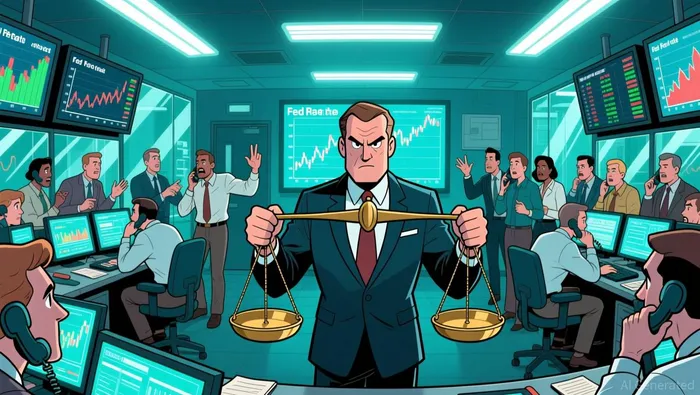 The meeting is expected to include official dissents from both sides, highlighting the deep internal debate.
Why the Fed Is Considering Cuts — and the Risks Involved
The decision to cut rates is driven by a few key factors. First, the labor market is showing signs of softness, with job growth slowing and hiring challenges in some sectors. Second, overall economic growth has cooled, with GDP expanding at a slower pace than earlier in the year. Third, inflation remains above the Fed's 2% target, though it is trending downward, .
Still, the Fed is not convinced the economy needs more stimulus. Inflation is still higher than ideal, and there's concern that further cuts could reignite price pressures. That's why many analysts expect the Fed's tone to be hawkish — meaning it may signal a pause in rate cuts for 2026. That message will likely come through in the updated economic projections, the "" of officials' rate expectations, and, most importantly, in Powell's press conference according to financial analysts.
What This Means for Your Money
For everyday investors and savers, a rate cut affects different parts of your finances in different ways. If you have a variable-rate loan — like a credit card, personal loan, or home equity line of credit (HELOC) — this cut could mean lower borrowing costs in the near term. However, for fixed-rate products like auto loans, student loans, and 30-year mortgages, the direct impact is limited.
Mortgage rates, in particular, are more closely tied to 10-year Treasury yields and market expectations, not the Fed's policy rate. , , with little relief expected in the next few years. In other words, while the Fed's cut may lower some short-term borrowing costs, it won't necessarily result in cheaper home loans or a housing market boom according to mortgage experts.
What to Watch After the Cut
The bigger story after the December cut will be the Fed's messaging. If Powell hints at a pause in rate cuts for 2026, that could signal growing confidence in the economy and a shift toward a more neutral stance. That could be positive for risk assets like stocks, as markets often react well to signs of economic resilience and policy predictability. Still, the Fed's uncertainty is real. Delays in economic data, , and ongoing inflation concerns all add to the unknowns. For investors, the key takeaway is that the Fed is walking a tight line — trying to support growth without reigniting inflation. The path forward will be anything but smooth, and staying informed will be key to making smart financial decisions in the months ahead.

Delivering real-time insights and analysis on emerging financial trends and market movements.
Latest Articles
Stay ahead of the market.
Get curated U.S. market news, insights and key dates delivered to your inbox.






Comments
No comments yet