
Fed's QE Gambit: AI Euphoria Risks Repeating 1999's Bubble Fate


 Aime Summary
Billionaire Ray Dalio has issued a stark warning about the Federal Reserve's recent policy shift, arguing that its pivot from quantitative tightening (QT) to a form of quantitative easing (QE) risks inflating a dangerous bubble reminiscent of the late 1990s dot‑com era, according to a Morningstar report. In a LinkedIn post, Dalio highlighted the Fed's decision to reinvest proceeds from maturing mortgage-backed securities (MBS) into Treasury bills as a move that could dangerously conflate technological progress with financial speculation. "If the balance sheet starts expanding significantly while interest rates are being cut and fiscal deficits are large, we will view that as a classic monetary and fiscal interaction to monetize government debt," he wrote.
The Fed's announcement, which halts its QT program and commits to maintaining a stable balance sheet, has drawn scrutiny for its potential to destabilize markets, according to a Reuters report. Analysts note that the central bank's increased demand for T-bills—estimated at $15 billion monthly—could reduce their net supply to private investors, potentially driving yields lower and exacerbating liquidity strains in the repo market, the report adds. While the Fed aims to address short-term funding pressures, critics like Dalio argue that such measures risk creating an environment of euphoria, particularly in sectors like AI, which already trade at valuations many consider inflated, a concern highlighted in a Business Insider piece.
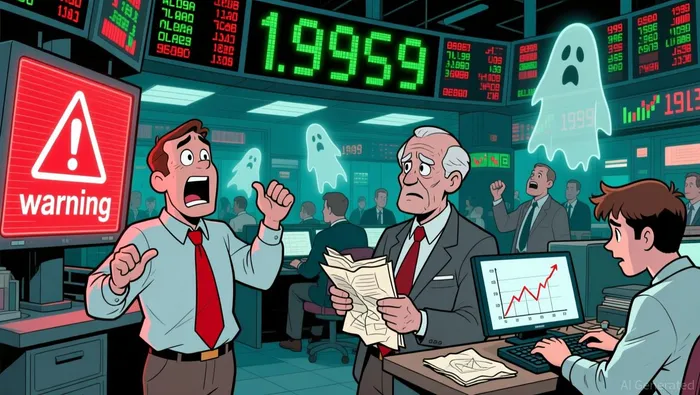 Dalio's concerns echo broader market anxieties about asset bubbles. The AI sector, for instance, has drawn comparisons to the 1999 tech boom, with leaders like Alibaba's Joe Tsai and C3.ai's Tom Siebel warning of overvaluation. Meanwhile, the Fed's accommodative stance coincides with a backdrop of large fiscal deficits and robust private credit growth, factors that could amplify inflationary pressures if left unchecked. "This looks like a bold and dangerous big bet on growth, especially AI growth, financed through very liberal looseness in fiscal, monetary, and regulatory policies," Dalio cautioned.
The coming weeks will test these theories. Investors are closely watching November's inflation data and manufacturing PMI reports for clues about the Fed's next moves, as shown on the Investing.com calendar. Corporate earnings from firms like Coca-Cola and Cisco Systems may also provide insight into economic health. For now, Dalio's warning underscores a growing unease that the Fed's balancing act—between fostering growth and curbing inflation—could tip into a scenario where asset valuations outpace fundamentals, echoing the volatility of previous bubbles.

Stay ahead of the market.
Get curated U.S. market news, insights and key dates delivered to your inbox.






Comments
No comments yet