
The Fed's Policy Pivot: How 2025 Rate Cuts Are Reshaping Equity Market Strategies


 Aime Summary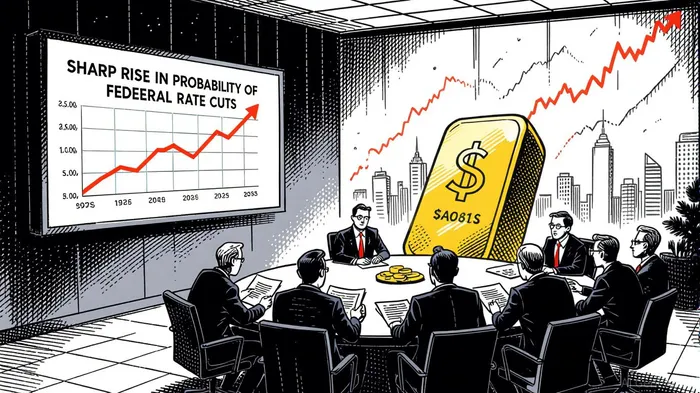
The August 2025 U.S. jobs report has become a watershed moment for global markets, cementing the expectation of a policy reversal. , the labor market's fragility has forced a recalibration of expectations. , . By December, . This seismic shift in monetary policy consensus is already reshaping equity market positioning, with investors pivoting toward sectors poised to thrive in a loosening rate environment.
The Jobs Report: A Catalyst for Policy Reversal
The August data exposed a labor market in distress. , . , underscoring demographic vulnerabilities. These trends have eroded confidence in the Fed's ability to balance its of price stability and full employment.
The bond market's response was immediate. , their lowest since 2022, as investors flocked to . , while the U.S. , reflecting diminished demand for dollar-denominated assets.
Market Positioning: From Risk-Off to Tactical Rotation
The equity market's initial rally—spurred by hopes of rate cuts—quickly unraveled as investors grappled with the broader implications of a weakening economy. By week's end, , . However, this volatility has created opportunities for strategic positioning.
. With borrowing costs expected to decline, sectors like industrials and housing are gaining traction. The housing market, for instance, could benefit from lower mortgage rates, which may revive construction activity.
Sectors to Watch in a Loosening Environment
- Defensive Equities. These sectors offer stable cash flows and are less sensitive to interest rate fluctuations.
- Small-Cap Stocks, as smaller companies often gain access to cheaper credit and fiscal stimulus.
- Rate-Sensitive Industries.
- Gold and Inflation Hedges, .
The Political Dimension: Blame Game or Policy Signal?
The has sought to deflect blame for the labor market's struggles, . While political rhetoric may cloud the narrative, .
Strategic Recommendations for Investors
- Rebalance Portfolios, .
- Tactical Equity Rotations: Allocate to small-cap equities and housing-related stocks, which historically outperform during easing cycles.
- Fixed-Income Diversification.
- Hedge Against Volatility.
The Fed's policy pivot is no longer a question of if but when. With the September meeting fast approaching, investors must act decisively to align their portfolios with the new macroeconomic reality. , and those who position now will be best positioned to capitalize on the opportunities ahead.

Stay ahead of the market.
Get curated U.S. market news, insights and key dates delivered to your inbox.


AInvest
PRO
AInvest
PRO



Comments
No comments yet