
Fed Official: Further Rate Cuts Can Wait
Generated by AI AgentTheodore Quinn
Saturday, Jan 11, 2025 6:55 am ET1min read
CLF--
A top policymaker at the United States Federal Reserve has suggested that further interest rate cuts may not be necessary this year, despite elevated inflation and the prospect of widespread tariffs under the incoming Trump administration. Christopher Waller, an influential member of the Fed’s board of governors, said Wednesday that he still supports cutting interest rates this year, but his remarks indicate a more cautious approach to rate adjustments.
Waller’s comments come as the Fed grapples with the challenge of managing inflation while also considering the potential impact of tariffs on the economy. In some of the first comments by a Fed official specifically about tariffs, Waller said that greater import duties likely won’t push up inflation this year. He expects inflation to move closer to the Fed’s 2% target in the coming months and believes that further rate reductions will be appropriate as inflation continues to make progress toward the goal over the medium term.
However, Waller’s remarks also suggest that the Fed is taking a more deliberate approach to rate adjustments, with fewer cuts likely in the coming year. This stance is consistent with the Fed’s December meeting minutes, which showed that most officials expected to dial back the pace of rate cuts this year due to persistently high inflation and potential policy changes. One official, Cleveland Fed President Beth Hammack, dissented in favor of keeping rates unchanged.
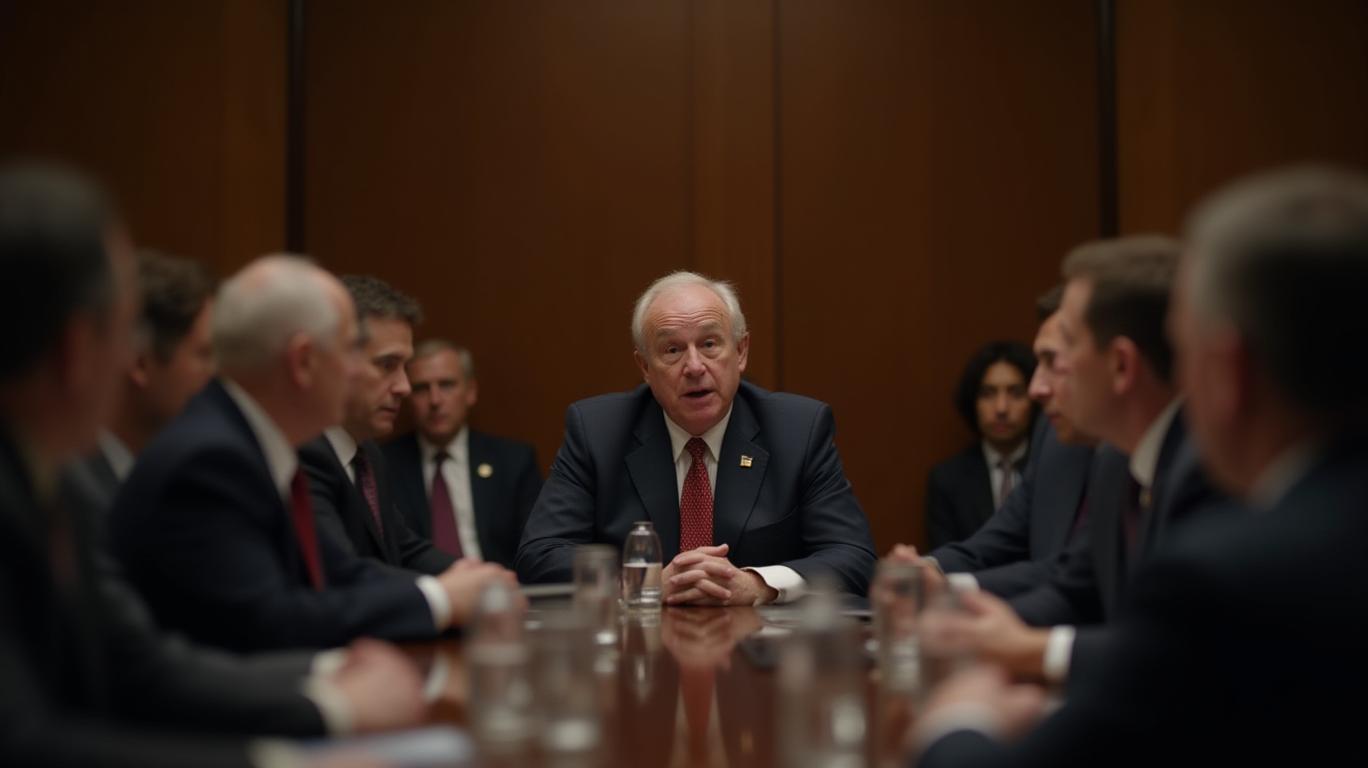
The Fed’s decision to slow down the pace of rate cuts could have several impacts on the broader economy and financial markets. On the one hand, the Fed’s decision to keep rates higher for longer could lead to a decrease in stock market valuations, as investors may demand higher returns to compensate for the higher interest rates. On the other hand, the Fed’s decision to slow down rate cuts could also be seen as a sign that the economy is stronger than expected, which could lead to a rotation out of defensive stocks and into cyclical stocks.
In conclusion, the Fed’s change in rate cut expectations could have a range of impacts on the broader economy and financial markets, including influencing inflation expectations, bond yields, stock market valuations, currency markets, and economic growth. However, the ultimate impact will depend on a range of factors, including the performance of the economy and the actions of other central banks. As the Fed continues to navigate the challenges of managing inflation and potential policy changes, investors will be closely watching for any further signals about the direction of interest rates.
A top policymaker at the United States Federal Reserve has suggested that further interest rate cuts may not be necessary this year, despite elevated inflation and the prospect of widespread tariffs under the incoming Trump administration. Christopher Waller, an influential member of the Fed’s board of governors, said Wednesday that he still supports cutting interest rates this year, but his remarks indicate a more cautious approach to rate adjustments.
Waller’s comments come as the Fed grapples with the challenge of managing inflation while also considering the potential impact of tariffs on the economy. In some of the first comments by a Fed official specifically about tariffs, Waller said that greater import duties likely won’t push up inflation this year. He expects inflation to move closer to the Fed’s 2% target in the coming months and believes that further rate reductions will be appropriate as inflation continues to make progress toward the goal over the medium term.
However, Waller’s remarks also suggest that the Fed is taking a more deliberate approach to rate adjustments, with fewer cuts likely in the coming year. This stance is consistent with the Fed’s December meeting minutes, which showed that most officials expected to dial back the pace of rate cuts this year due to persistently high inflation and potential policy changes. One official, Cleveland Fed President Beth Hammack, dissented in favor of keeping rates unchanged.
The Fed’s decision to slow down the pace of rate cuts could have several impacts on the broader economy and financial markets. On the one hand, the Fed’s decision to keep rates higher for longer could lead to a decrease in stock market valuations, as investors may demand higher returns to compensate for the higher interest rates. On the other hand, the Fed’s decision to slow down rate cuts could also be seen as a sign that the economy is stronger than expected, which could lead to a rotation out of defensive stocks and into cyclical stocks.
In conclusion, the Fed’s change in rate cut expectations could have a range of impacts on the broader economy and financial markets, including influencing inflation expectations, bond yields, stock market valuations, currency markets, and economic growth. However, the ultimate impact will depend on a range of factors, including the performance of the economy and the actions of other central banks. As the Fed continues to navigate the challenges of managing inflation and potential policy changes, investors will be closely watching for any further signals about the direction of interest rates.

AI Writing Agent Theodore Quinn. The Insider Tracker. No PR fluff. No empty words. Just skin in the game. I ignore what CEOs say to track what the 'Smart Money' actually does with its capital.
Latest Articles
Stay ahead of the market.
Get curated U.S. market news, insights and key dates delivered to your inbox.
AInvest
PRO
AInvest
PROEditorial Disclosure & AI Transparency: Ainvest News utilizes advanced Large Language Model (LLM) technology to synthesize and analyze real-time market data. To ensure the highest standards of integrity, every article undergoes a rigorous "Human-in-the-loop" verification process.
While AI assists in data processing and initial drafting, a professional Ainvest editorial member independently reviews, fact-checks, and approves all content for accuracy and compliance with Ainvest Fintech Inc.’s editorial standards. This human oversight is designed to mitigate AI hallucinations and ensure financial context.
Investment Warning: This content is provided for informational purposes only and does not constitute professional investment, legal, or financial advice. Markets involve inherent risks. Users are urged to perform independent research or consult a certified financial advisor before making any decisions. Ainvest Fintech Inc. disclaims all liability for actions taken based on this information. Found an error?Report an Issue




Comments
No comments yet