
Fed Maintains Interest Rate Target Amid Elevated Inflation
 Aime Summary
- The Federal Reserve's January 2026 meeting minutes show that officials decided to keep the federal funds rate within the 3.5%-3.75% range due to persistent inflation and a stabilizing labor market.
- The core PCE inflation index rose to 3.0% in December, driven by higher goods prices linked to tariffs, with officials emphasizing the need for stronger disinflation signals before considering rate cuts.
- While a majority of Fed members supported maintaining current rates, two officials, Stephen I. Miran and Christopher J. Waller, favored a rate cut, reflecting a divided perspective on the appropriate path forward.
Federal Reserve officials at their January 2026 meeting decided to keep the federal funds rate unchanged amid continued concerns about inflation. The FOMC minutes revealed that while inflation has declined from its 2022 peaks, it remains above the 2% target, with core PCE inflation at 3.0%. The committee emphasized the need to monitor incoming data to assess whether disinflation is on track before making further rate decisions.
The decision to hold rates at 3.5%-3.75% was supported by most members, with some expressing cautious optimism about the pace of disinflation. The minutes also highlighted that the labor market appears to be stabilizing, with the unemployment rate at 4.4% and job gains remaining low but consistent according to the FOMC minutes. However, a few officials, including Governor Michael Barr, argued that further rate cuts could be appropriate if inflation continues to trend downward.
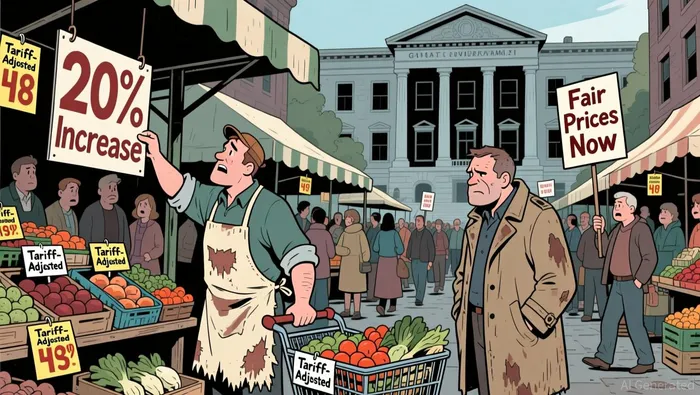
The latest PCE inflation data, which showed an annual increase of 3.0%, reinforced the Fed's decision to remain on hold. The data aligns with internal estimates and highlights the role of tariffs in elevating core goods prices. Despite the elevated inflation figures, some members were open to the idea of future rate cuts if disinflation progresses as expected. This signals a potential shift in the Fed's approach, with a greater willingness to respond to new economic conditions.
Why Is the Fed Holding Rates Steady?
The primary reason the Fed chose to maintain the current rate range is the continued pressure from inflation. The core PCE index, which excludes volatile food and energy prices, rose to 3.0%, slightly exceeding economists' expectations. This underscores the challenge of bringing inflation down to the 2% target while maintaining economic stability. The minutes noted that participants generally expect inflation to trend downward, but the pace remains uncertain. The committee emphasized the need to see consistent disinflation before considering further easing.
The labor market was another key factor in the decision. While job gains remain modest, the unemployment rate has stabilized at 4.4%, signaling a balanced but cautious outlook. The Fed acknowledged the need to carefully assess incoming data and economic conditions before deciding on future rate moves. This approach reflects a broader strategy of responding to new developments rather than adhering to a fixed timeline for rate adjustments.
What Are the Implications for Future Rate Policy?
The Fed's decision to hold rates steady indicates a more cautious approach to monetary policy. The minutes suggest that officials are open to both rate cuts and potential rate hikes depending on how inflation and the labor market evolve. This flexibility is a notable shift from earlier discussions, where the focus was primarily on cutting rates to stimulate economic growth. The committee emphasized the importance of achieving the inflation target before considering further rate cuts, reinforcing the Fed's commitment to price stability.
Despite the decision to remain on hold, the minutes revealed that some officials, including Stephen I. Miran and Christopher J. Waller, favored a rate cut of 0.25 percentage points. This division highlights the ongoing debate within the committee about the appropriate path forward. However, the majority of members supported maintaining the current rate range, with the Fed agreeing to carefully monitor incoming data before making any further adjustments.
The current economic environment, including recent Supreme Court rulings on tariffs and mixed GDP growth figures, adds to the uncertainty surrounding the inflation outlook. This suggests that any rate adjustments may be delayed until more clarity emerges about the sustainability of disinflation and the health of the labor market.

Blending traditional trading wisdom with cutting-edge cryptocurrency insights.
Latest Articles
Stay ahead of the market.
Get curated U.S. market news, insights and key dates delivered to your inbox.


AInvest
PRO
AInvest
PRO



Comments
No comments yet