
Fed's Jobs vs. Inflation Gamble as Markets Back December Cut


 Aime Summary
The Federal Reserve's December 2025 policy meeting has become a focal point for global markets, with analysts and policymakers divided over the central bank's long-term rate strategy. [Bank of America (BofA) recently revised its forecast](https://www.tradingview.com/news/tradingview:2b60c76db1e4d:0-key-facts-bank-of-america-predicts-fed-rate-cut-reports-on-petershill-pantheon/), now anticipating a 25-basis-point rate cut at the December gathering, citing weak labor market data and dovish signals from officials like New York Fed President John Williams. This shift contrasts with earlier expectations of a pause, as the Fed navigates a fragile economic landscape [marked by rising unemployment](https://www.investing.com/news/economy-news/bofa-says-it-now-expects-fed-to-cut-rates-in-december-4383091) and subdued private-sector hiring. Meanwhile, the U.S. Dollar faces downward pressure as investors price in the likelihood of a rate reduction, with [DBS analysts noting](https://www.fxstreet.com/news/usd-faces-pressure-as-fed-rate-cut-looms-dbs-202512011158) that the Fed's scheduled end to quantitative tightening on December 1 adds to the dollar's vulnerabilities.
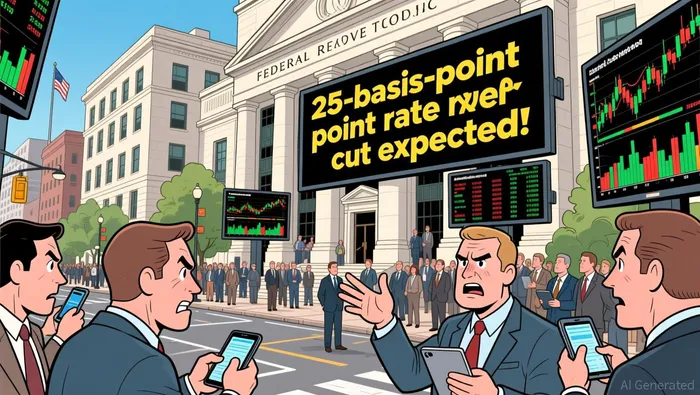
The central bank's internal divisions are underscored by conflicting assessments of inflation and labor market risks. While core PCE inflation remains elevated at 2.9%, below the Fed's 3.1% projection, [officials are grappling with whether](https://www.thehindubusinessline.com/markets/share-market-nifty-sensex-live-updates-2nd-dec-2025/article70346484.ece) to prioritize further easing to stabilize employment or hold rates to curb inflationary pressures. This tension is reflected in market pricing, with the CME FedWatch tool showing an 88% probability of a December cut as of December 1. [Such a move would bring the federal funds rate](https://www.cbsnews.com/news/will-mortgage-interest-rates-drop-december-2025-everything-to-consider-now/) to a range of 3.50%-3.75%, a threshold seen as critical for supporting borrowers, particularly in the housing sector, where mortgage rates have declined but remain elevated.
The Fed's potential rate cut also intersects with broader economic developments. [In Japan, Finance Minister Satsuki Katayama](https://www.investing.com/news/economy-news/japan-finance-minister-says-no-divergence-with-boj-on-economic-assessment-4384987) emphasized alignment with the Bank of Japan's assessment of a modest economic recovery, despite the central bank's recent hints at rate hikes. Meanwhile, European initiatives, such as the €150 million EIB-Angelini Ventures agreement to fund startups, highlight regional efforts to counteract capital outflows and bolster innovation amid global competition [according to a report](https://www.globenewswire.com/news-release/2025/12/01/3197238/0/en/150-million-agreement-between-EIB-and-Angelini-Ventures-to-finance-European-startups.html). These developments underscore the interconnected nature of central bank decisions and their ripple effects across global financial ecosystems.
Looking ahead, the December meeting could set the tone for 2026. [BofA and other analysts suggest](https://www.investing.com/news/economy-news/bofa-says-it-now-expects-fed-to-cut-rates-in-december-4383091) a pause in early 2026, with further cuts contingent on inflation trends and labor market stability. However, uncertainties persist, including the impact of U.S.-China trade negotiations and seasonal inflationary pressures from tariffs. For now, markets are betting on a December cut, with the Fed's dual mandate-balancing price stability and maximum employment-remaining a central battleground.

Stay ahead of the market.
Get curated U.S. market news, insights and key dates delivered to your inbox.


AInvest
PRO
AInvest
PRO



Comments
No comments yet