
The Fed's Inflation Surprise and Market Optimism: A New Roadmap for Equity Allocations?
 Aime Summary
The Inflation Surprise: A Closer Look
The core Consumer Price Index (CPI), a critical barometer for Fed policy, has shown signs of moderation. While the official November 2025 core CPI data remains delayed due to a government shutdown in October, preliminary estimates and historical context provide a mixed picture. For instance, the February 2025 core CPI rose 3.1% year-over-year, slightly above the 2.8% all-items CPI figure reported in March 2025. This discrepancy highlights the volatility of food and energy prices, which are excluded from the core measure. Meanwhile, a nowcast for November 2025 pegs core inflation at 2.99%, nearly aligning with the 3.0% rate reported in September by the BLS.
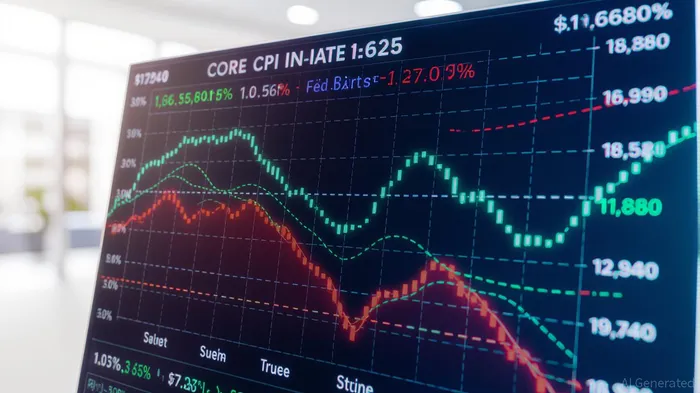 The key takeaway is that inflationary pressures, while persistent, appear to be easing in key components. Shelter costs, which had driven much of the inflationary surge, rose 3.6% annually in September, but this trend has shown signs of stabilizing. Similarly, used car prices have moderated. These trends suggest that the Fed's tightening cycle may be gaining traction, even if headline inflation remains above the 2% target.
Market Reactions and Fed Policy Implications
The market's response to these developments has been cautiously optimistic. As of November 2025, investors are pricing in a 75% probability of a 25-basis-point rate cut in December, with further cuts expected in early 2026. This optimism is fueled by softening labor market data, including slowing employment growth and a "no hiring, no firing" stasis in corporate hiring. However, Fed officials remain divided. Atlanta Fed President Raphael Bostic has emphasized that "price stability remains the more pressing risk," cautioning against premature easing.
The Fed's dilemma lies in balancing its dual mandate: taming inflation without derailing the labor market. While core inflation has eased, services inflation-particularly in healthcare and housing-remains stubbornly high. This has led to a "wait-and-see" approach, with policymakers prioritizing data-dependent decisions. A surprise softening in core inflation, however, could accelerate the case for rate cuts, especially if it signals a broader deceleration in price pressures.
Equity Allocations: A New Roadmap?
For equity investors, the interplay between inflation and Fed policy has profound implications. Historically, rate cuts have been bullish for equities, particularly for high-beta sectors like technology and consumer discretionary. However, the current environment is nuanced. A prolonged period of high rates has already pressured growth stocks, while sectors like utilities and consumer staples have benefited from their defensive characteristics.
If core inflation continues to trend downward, the Fed's pivot to rate cuts could reignite momentum in growth-oriented equities. This would mirror the 2023-2024 cycle, where easing inflation expectations drove a rally in AI-driven tech stocks. Conversely, a failure to meet inflation targets could prolong tight monetary policy, favoring sectors insulated from rate sensitivity, such as healthcare and industrials.
Conclusion: Navigating Uncertainty
The Fed's inflation surprise-whether a 2.8% core reading or a near-miss-underscores the fragility of the current economic equilibrium. While markets are leaning toward optimism, the path forward remains contingent on the Fed's ability to navigate its dual mandate. For investors, the key is to remain agile, hedging against both a rapid pivot and a delayed easing. A new roadmap for equity allocations may emerge, but it will require a careful balance between macroeconomic signals and sector-specific fundamentals.
As the December 18, 2025 CPI release looms, the coming weeks will be pivotal. A definitive softening in core inflation could mark the beginning of a new chapter in the Fed's policy cycle-and for equities, a potential renaissance in risk-on sentiment.

Delivering real-time insights and analysis on emerging financial trends and market movements.
Latest Articles
Stay ahead of the market.
Get curated U.S. market news, insights and key dates delivered to your inbox.






Comments
No comments yet