
Fed's Inflation-Employment Struggle Plunges December Cut Odds to 33%


 Aime Summary
The probability of a Federal Reserve rate cut in December has plummeted to 33%, according to data from the Chicago Mercantile Exchange, as internal divisions within the central bank and delayed economic data cloud the path of monetary policy. Just weeks ago, markets had priced in nearly 100% odds of a 25-basis-point reduction, but shifting signals from the Fed and a lack of critical labor market data have traders and investors recalibrating expectations.
The U.S. Bureau of Labor Statistics' decision to delay the release of October and November jobs reports until after the Fed's December meeting has removed a key input for policymakers. The October employment report was scrapped due to a government shutdown, while the November data will not be available until Dec. 16, after the FOMC's scheduled meeting on Dec. 9-10. This delay has left officials without real-time labor market insights, a critical factor in their dual mandate to balance inflation and employment.
The Fed's internal debate has further muddied the outlook. The October meeting minutes, released Nov. 19, revealed "strongly differing views" among policymakers, with many arguing that a December cut was unwarranted. A 10-2 vote in favor of the October cut highlighted existing divisions, and recent comments from officials like Boston Fed President Susan Collins underscore lingering caution. Collins stated she "leans against cutting rates" in December, emphasizing that inflation remains above the 2% target and that the labor market's softening trend is still being weighed.
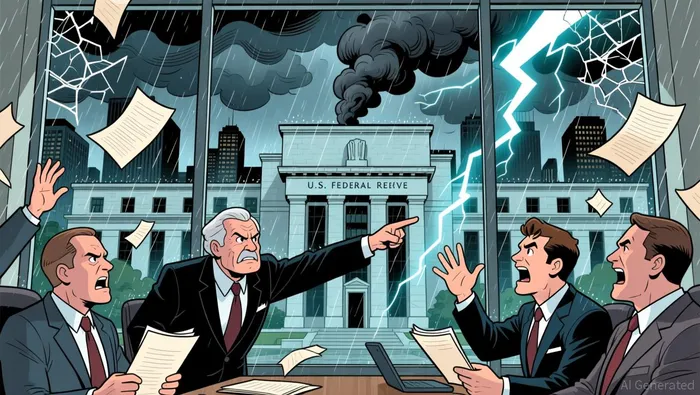
Market reactions have mirrored the Fed's uncertainty. The CME FedWatch Tool, which tracks futures contracts, showed the odds of a December cut dropping to 35% after the October minutes were released, only to rebound slightly to 71% following dovish remarks from New York Fed President John Williams. Meanwhile, crypto markets have been particularly volatile, with Bitcoin falling below $89,000 -nearly 20% from its late October peak- as investors grapple with reduced expectations of rate cuts.
Gold, traditionally a haven in risk-off environments, has also faced downward pressure. XAU/USD dropped to a multi-day low amid diminished bets for a Fed cut, with prices hovering near $4,000 psychological support. Conversely, the U.S. dollar has gained strength, with the DXY index reaching a five-month high as investors seek yield and stability in a higher-for-longer rate environment.
Analysts warn that the Fed's prolonged indecision risks prolonging market volatility. "The Fed's struggle to balance inflation and employment is creating a fog of uncertainty," said one strategist, noting that the central bank's dual mandate is increasingly at odds with itself. Persistent inflation, currently at 2.8% for core PCE, remains a key hurdle for rate cuts, while signs of a cooling labor market - including a 4.4% unemployment rate in October - have fueled calls for easing.
Looking ahead, the December meeting will hinge on incoming data and further guidance from the Fed. If officials opt to hold rates steady, the "higher-for-longer" narrative could persist, exacerbating borrowing costs for consumers and businesses. A 25-basis-point cut, however, would signal a cautious pivot toward accommodative policy, potentially boosting equity markets and easing pressure on the housing sector.
As the Fed navigates this crossroads, markets remain in a wait-and-see mode, with all eyes on the December meeting and the resumption of key economic data releases.

Stay ahead of the market.
Get curated U.S. market news, insights and key dates delivered to your inbox.


AInvest
PRO
AInvest
PRO



Comments
No comments yet