
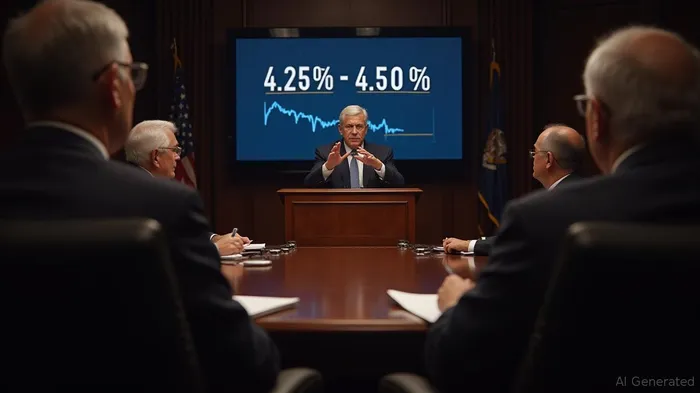
Fed Holds Rates at 4.25%-4.50% Amid Economic Uncertainty
The Federal Reserve maintained its policy rate at 4.25%-4.50% during its latest meeting, marking the fourth consecutive session where interest rates remained unchanged. This decision aligns with market expectations and reflects the central bank's cautious approach amidst economic uncertainties. The Fed's stance on interest rates has significant implications for various sectors, including mortgage rates and credit card annual percentage rates (APRs).
The Fed's decision to hold interest rates steady is part of a broader strategy to navigate the economic uncertainties. The central bank is waiting for clearer economic data before making any significant adjustments to its monetary policy. This approach is aimed at ensuring stability and avoiding premature actions that could disrupt the economy. The Fed's policy rate decision also comes amidst calls from various quarters, including Trump, for interest rate cuts. However, the central bank has chosen to brush off these calls, prioritizing economic data and long-term stability over short-term political pressures. This decision underscores the Fed's commitment to its mandate of promoting maximum employment and stable prices.
In his remarks, Fed Chair Jerome Powell emphasized that the Fed is "well positioned" to address the "risks and uncertainties" in the economy. This statement suggests that the central bank is prepared to act swiftly if necessary, but for now, it is maintaining a steady course. Powell's comments also reflect the Fed's ongoing efforts to balance the need for economic growth with the risks of inflation and financial instability. The Fed's decision to hold interest rates steady is likely to have a mixed impact on consumers and businesses. While it provides some relief to borrowers, it also means that savers will continue to earn lower returns on their deposits. The Fed's policy rate decision is a critical factor in shaping the economic outlook, and its implications will be closely watched by policymakers, investors, and the general public.
The Fed's interest rate expectations for 2026 drew a more cautious picture compared to the previous period. While only 4 members thought that no interest rate cuts should be made this year in March, this number increased to 7 in June. On the other hand, 10 members expected at least two interest rate cuts in 2024, while 2 members predicted only one. While the expectation of two cuts for 2025 remained the same, the expectation for 2026 was reduced from two cuts to one. This shift in expectations indicates a more cautious approach by the Fed, as it seeks to balance the need for economic growth with the risks of inflation and financial instability.
Fed officials want to see a softer labor market or clear evidence that tariffs have limited their impact on prices before they can cut rates. But the current data is mixed. The slowdown in housing suggests that higher interest rates are weighing on the economy, while unemployment remains low. But the number of people receiving long-term unemployment benefits is at a three-year high and hiring figures are being revised downward. This mixed data makes it difficult for the Fed to make a clear decision on interest rates, as it seeks to balance the need for economic growth with the risks of inflation and financial instability.
Another reason the Fed is cautious in its interest rate policy is that financial conditions are still relatively loose. The spread between corporate bond yields and Treasury bonds is low, credit supply is strong, and stock markets are near historic highs. The jump in stock prices, especially after some companies announced stablecoin-based payment systems, shows that there is still serious speculative capital in the market. This situation allows the Fed to avoid the risk of an early rate cut that could cause inflation to climb again. And as economist David Wilcox has noted, confidence in the Fed has been damaged after one of the biggest inflation shocks in recent years, making its control of inflation expectations more fragile.
The FED's decision and projections today show that the institution does not want to rush into interest rate cuts and wants to see more data. The FED, torn between both fighting inflation and preventing a slowdown in the economy, will most likely continue its cautious policy until the fall. This cautious approach by the Fed is aimed at ensuring stability and avoiding premature actions that could disrupt the economy. The Fed's policy rate decision is a critical factor in shaping the economic outlook, and its implications will be closely watched by policymakers, investors, and the general public.

Stay ahead of the market.
Get curated U.S. market news, insights and key dates delivered to your inbox.


AInvest
PRO
AInvest
PRO



Comments
No comments yet