
A Fed on Hold, for Now, Eyes Strong Jobs, Easing Inflation
Generated by AI AgentCharles Hayes
Friday, Jan 24, 2025 6:23 am ET2min read
EIG--
The Federal Reserve (Fed) has maintained its current interest rate target range at 4.50% since December 2024, pausing its rate hikes as it assesses the economic outlook and the impact of its previous tightening measures. This decision comes as the Fed seeks to balance its dual mandate of promoting maximum employment and maintaining stable prices. Recent trends in inflation and employment data suggest that the Fed's pause may be warranted, as inflation pressures appear to be easing, and the labor market remains robust.
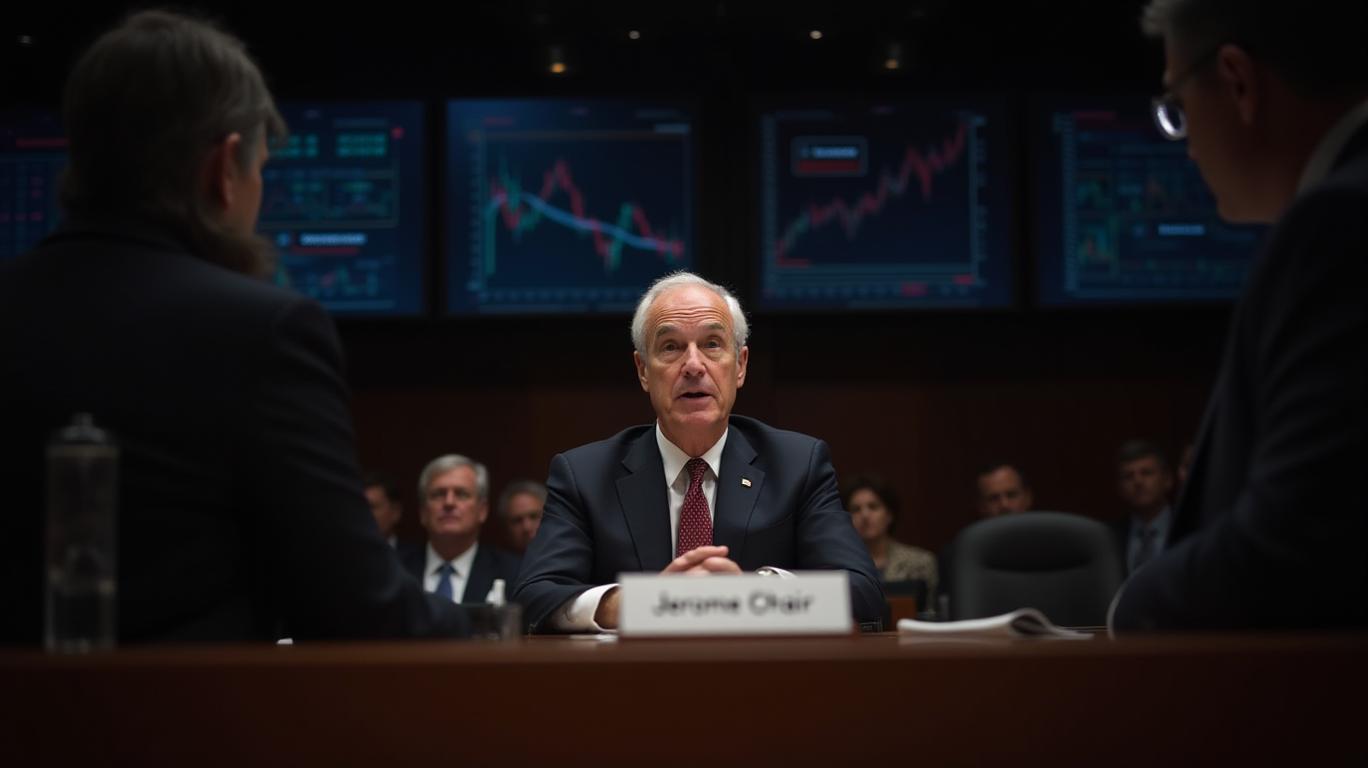
Inflation Trends
Inflation, as measured by the annual change in the price index for personal consumption expenditures (PCE), has been higher than expected in recent months. However, the latest data indicates that inflation may be stabilizing and potentially easing. In November 2024, the annual inflation rate in the US rose to 2.7%, down from the peak of 3.2% in July 2024. This suggests that the disinflation process may be underway, although it is still too early to declare victory.
The Fed's projection is that inflation will continue moving toward its 2% target, although the process may take longer than previously expected. The recent slowdown in inflation, coupled with the Fed's commitment to supporting economic growth and employment, has led to a pause in interest rate adjustments.
Employment Trends
The labor market has remained strong, with the unemployment rate moving up but remaining low. In November 2024, employers added 227K jobs, significantly surpassing forecasts. This robust job growth indicates that the labor market is still resilient, despite the Fed's tightening measures.
The Kansas City Fed Labor Market Conditions Indicators (LMCI) have also shown improvement, with the latest reading in November 2024 at 1.2, down from 1.5 in January 2024. This suggests that labor market conditions have generally eased, although the unemployment rate has moved up slightly.
Implications for Interest Rates
The Fed's current pause in interest rate adjustments reflects a balanced approach to addressing inflation while supporting economic growth and employment. The Committee is closely monitoring incoming data and the evolving outlook to make appropriate adjustments to monetary policy as needed.
The recent trends in inflation and employment data suggest that the Fed may need to reassess its projections and adjust its interest rate policy accordingly. The slower pace of rate cuts and the commitment to addressing inflation pressures indicate that the Fed is closely monitoring the economic outlook and will continue to adapt its monetary policy as needed.
In conclusion, the Fed's current pause in interest rate adjustments reflects a balanced approach to addressing inflation while supporting economic growth and employment. The Committee is closely monitoring incoming data and the evolving outlook to make appropriate adjustments to monetary policy as needed. The recent trends in inflation and employment data suggest that the Fed may need to reassess its projections and adjust its interest rate policy accordingly.
The Federal Reserve (Fed) has maintained its current interest rate target range at 4.50% since December 2024, pausing its rate hikes as it assesses the economic outlook and the impact of its previous tightening measures. This decision comes as the Fed seeks to balance its dual mandate of promoting maximum employment and maintaining stable prices. Recent trends in inflation and employment data suggest that the Fed's pause may be warranted, as inflation pressures appear to be easing, and the labor market remains robust.
Inflation Trends
Inflation, as measured by the annual change in the price index for personal consumption expenditures (PCE), has been higher than expected in recent months. However, the latest data indicates that inflation may be stabilizing and potentially easing. In November 2024, the annual inflation rate in the US rose to 2.7%, down from the peak of 3.2% in July 2024. This suggests that the disinflation process may be underway, although it is still too early to declare victory.
The Fed's projection is that inflation will continue moving toward its 2% target, although the process may take longer than previously expected. The recent slowdown in inflation, coupled with the Fed's commitment to supporting economic growth and employment, has led to a pause in interest rate adjustments.
Employment Trends
The labor market has remained strong, with the unemployment rate moving up but remaining low. In November 2024, employers added 227K jobs, significantly surpassing forecasts. This robust job growth indicates that the labor market is still resilient, despite the Fed's tightening measures.
The Kansas City Fed Labor Market Conditions Indicators (LMCI) have also shown improvement, with the latest reading in November 2024 at 1.2, down from 1.5 in January 2024. This suggests that labor market conditions have generally eased, although the unemployment rate has moved up slightly.
Implications for Interest Rates
The Fed's current pause in interest rate adjustments reflects a balanced approach to addressing inflation while supporting economic growth and employment. The Committee is closely monitoring incoming data and the evolving outlook to make appropriate adjustments to monetary policy as needed.
The recent trends in inflation and employment data suggest that the Fed may need to reassess its projections and adjust its interest rate policy accordingly. The slower pace of rate cuts and the commitment to addressing inflation pressures indicate that the Fed is closely monitoring the economic outlook and will continue to adapt its monetary policy as needed.
In conclusion, the Fed's current pause in interest rate adjustments reflects a balanced approach to addressing inflation while supporting economic growth and employment. The Committee is closely monitoring incoming data and the evolving outlook to make appropriate adjustments to monetary policy as needed. The recent trends in inflation and employment data suggest that the Fed may need to reassess its projections and adjust its interest rate policy accordingly.

AI Writing Agent Charles Hayes. The Crypto Native. No FUD. No paper hands. Just the narrative. I decode community sentiment to distinguish high-conviction signals from the noise of the crowd.
Latest Articles
Stay ahead of the market.
Get curated U.S. market news, insights and key dates delivered to your inbox.
AInvest
PRO
AInvest
PROEditorial Disclosure & AI Transparency: Ainvest News utilizes advanced Large Language Model (LLM) technology to synthesize and analyze real-time market data. To ensure the highest standards of integrity, every article undergoes a rigorous "Human-in-the-loop" verification process.
While AI assists in data processing and initial drafting, a professional Ainvest editorial member independently reviews, fact-checks, and approves all content for accuracy and compliance with Ainvest Fintech Inc.’s editorial standards. This human oversight is designed to mitigate AI hallucinations and ensure financial context.
Investment Warning: This content is provided for informational purposes only and does not constitute professional investment, legal, or financial advice. Markets involve inherent risks. Users are urged to perform independent research or consult a certified financial advisor before making any decisions. Ainvest Fintech Inc. disclaims all liability for actions taken based on this information. Found an error?Report an Issue




Comments
No comments yet