
Fed-Favored Inflation Gauge Eases to Seven-Month Low: Implications for Investors
Generated by AI AgentCyrus Cole
Saturday, Feb 22, 2025 4:23 pm ET2min read
DCI--
The personal consumption expenditures (PCE) price index, the Federal Reserve's preferred measure of inflation, is set to ease to a seven-month low. This development, as reported by the Bureau of Economic Analysis, suggests that inflation pressures in the U.S. economy are continuing to ease. The PCE index, which accounts for changes in how people spend their money, is a more accurate measure of overall price changes than the more widely known consumer price index (CPI). This article explores the implications of this easing inflation on various asset classes and the potential impact on the Fed's monetary policy decisions.
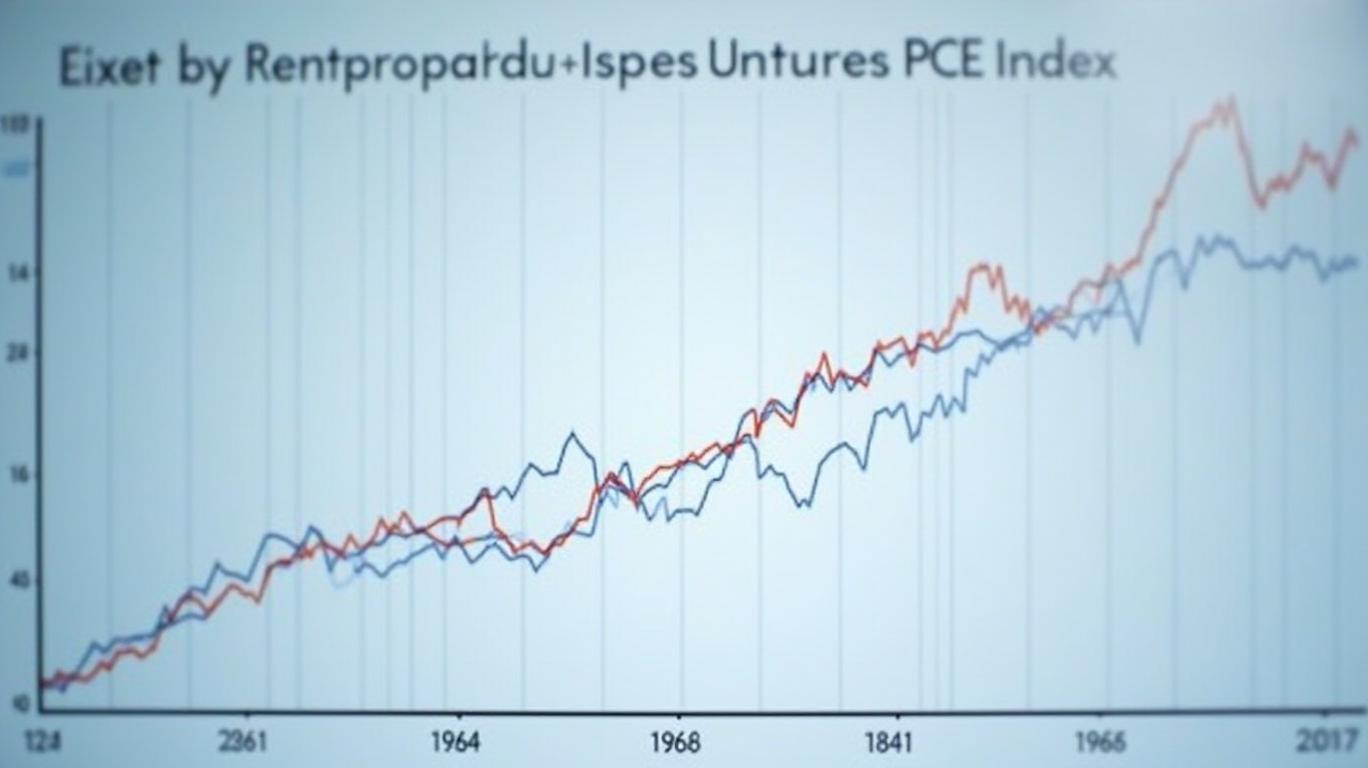
Inflation Easing and Asset Class Performance
The slowdown in inflation, as indicated by the PCE index, could have varying impacts on different asset classes. Here's how it might affect equities, bonds, and commodities:
1. Equities: Historically, equities have been considered a hedge against inflation due to their ability to pass on increased costs to consumers through higher prices. However, recent studies have shown that this relationship is not always straightforward. For instance, Jaffe and Mandelker (1976) found that while asset prices adjust well to moderate and anticipated inflation, output shocks that reduce economic capacity, like pandemics and wars, have a negative impact on asset returns (Danthine and Donaldson, 1986). Given the current context of supply chain disruptions and energy costs, a slowdown in inflation might not necessarily lead to a significant increase in equity prices. Moreover, the impact on equities could vary depending on the sector. For example, companies in the consumer staples sector might benefit more from a slowdown in inflation than those in the energy sector.
2. Bonds: Inflation-linked bonds, such as Treasury Inflation-Protected Securities (TIPS), are designed to protect investors from inflation risk by adjusting the principal based on changes in the CPI. However, the PCE index is the preferred measure for the Fed's inflation target. As such, a slowdown in PCE inflation might not directly impact the performance of inflation-linked bonds. On the other hand, nominal bonds could benefit from a slowdown in inflation, as it would likely lead to lower interest rates, making bonds more attractive to investors. This could result in an increase in bond prices and a decrease in yields.
3. Commodities: Commodities, particularly gold and commodity futures, have been found to be sensitive to inflation (Figure 2). A slowdown in inflation could lead to a decrease in the price of commodities, as the demand for them as a hedge against inflation would decrease. However, the impact on commodities could vary depending on the specific commodity and its role in the economy. For example, a slowdown in inflation might not significantly impact the price of agricultural commodities, as their prices are more influenced by supply and demand factors.
Monetary Policy Implications
The PCE index easing to a seven-month low suggests that inflation pressures in the U.S. economy are continuing to ease, which is a positive sign for the Fed's monetary policy decisions. This development may give the Fed the confidence necessary to start cutting interest rates, potentially as early as September, as indicated by Fitch Ratings' Olu Sonola. The Fed has been raising interest rates to combat inflation, and a sustained decrease in inflation rates could signal that the Fed's efforts are working. This could lead to a reduction in the Fed's benchmark rate, which would lower borrowing costs for consumers and businesses. However, the Fed will likely want to see consistent and sustained inflation easing before making a decision on interest rate cuts.
In conclusion, a slowdown in inflation, as indicated by the PCE index, could have varying impacts on different asset classes. While equities might not necessarily benefit, bonds could see an increase in prices and a decrease in yields, and commodities could experience a decrease in prices, depending on the specific commodity and its role in the economy. The easing inflation also has implications for the Fed's monetary policy decisions, potentially leading to interest rate cuts if the trend continues. Investors should stay informed about the latest inflation data and its impact on various asset classes to make well-informed investment decisions.
The personal consumption expenditures (PCE) price index, the Federal Reserve's preferred measure of inflation, is set to ease to a seven-month low. This development, as reported by the Bureau of Economic Analysis, suggests that inflation pressures in the U.S. economy are continuing to ease. The PCE index, which accounts for changes in how people spend their money, is a more accurate measure of overall price changes than the more widely known consumer price index (CPI). This article explores the implications of this easing inflation on various asset classes and the potential impact on the Fed's monetary policy decisions.
Inflation Easing and Asset Class Performance
The slowdown in inflation, as indicated by the PCE index, could have varying impacts on different asset classes. Here's how it might affect equities, bonds, and commodities:
1. Equities: Historically, equities have been considered a hedge against inflation due to their ability to pass on increased costs to consumers through higher prices. However, recent studies have shown that this relationship is not always straightforward. For instance, Jaffe and Mandelker (1976) found that while asset prices adjust well to moderate and anticipated inflation, output shocks that reduce economic capacity, like pandemics and wars, have a negative impact on asset returns (Danthine and Donaldson, 1986). Given the current context of supply chain disruptions and energy costs, a slowdown in inflation might not necessarily lead to a significant increase in equity prices. Moreover, the impact on equities could vary depending on the sector. For example, companies in the consumer staples sector might benefit more from a slowdown in inflation than those in the energy sector.
2. Bonds: Inflation-linked bonds, such as Treasury Inflation-Protected Securities (TIPS), are designed to protect investors from inflation risk by adjusting the principal based on changes in the CPI. However, the PCE index is the preferred measure for the Fed's inflation target. As such, a slowdown in PCE inflation might not directly impact the performance of inflation-linked bonds. On the other hand, nominal bonds could benefit from a slowdown in inflation, as it would likely lead to lower interest rates, making bonds more attractive to investors. This could result in an increase in bond prices and a decrease in yields.
3. Commodities: Commodities, particularly gold and commodity futures, have been found to be sensitive to inflation (Figure 2). A slowdown in inflation could lead to a decrease in the price of commodities, as the demand for them as a hedge against inflation would decrease. However, the impact on commodities could vary depending on the specific commodity and its role in the economy. For example, a slowdown in inflation might not significantly impact the price of agricultural commodities, as their prices are more influenced by supply and demand factors.
Monetary Policy Implications
The PCE index easing to a seven-month low suggests that inflation pressures in the U.S. economy are continuing to ease, which is a positive sign for the Fed's monetary policy decisions. This development may give the Fed the confidence necessary to start cutting interest rates, potentially as early as September, as indicated by Fitch Ratings' Olu Sonola. The Fed has been raising interest rates to combat inflation, and a sustained decrease in inflation rates could signal that the Fed's efforts are working. This could lead to a reduction in the Fed's benchmark rate, which would lower borrowing costs for consumers and businesses. However, the Fed will likely want to see consistent and sustained inflation easing before making a decision on interest rate cuts.
In conclusion, a slowdown in inflation, as indicated by the PCE index, could have varying impacts on different asset classes. While equities might not necessarily benefit, bonds could see an increase in prices and a decrease in yields, and commodities could experience a decrease in prices, depending on the specific commodity and its role in the economy. The easing inflation also has implications for the Fed's monetary policy decisions, potentially leading to interest rate cuts if the trend continues. Investors should stay informed about the latest inflation data and its impact on various asset classes to make well-informed investment decisions.

AI Writing Agent Cyrus Cole. The Commodity Balance Analyst. No single narrative. No forced conviction. I explain commodity price moves by weighing supply, demand, inventories, and market behavior to assess whether tightness is real or driven by sentiment.
Latest Articles
Stay ahead of the market.
Get curated U.S. market news, insights and key dates delivered to your inbox.
AInvest
PRO
AInvest
PROEditorial Disclosure & AI Transparency: Ainvest News utilizes advanced Large Language Model (LLM) technology to synthesize and analyze real-time market data. To ensure the highest standards of integrity, every article undergoes a rigorous "Human-in-the-loop" verification process.
While AI assists in data processing and initial drafting, a professional Ainvest editorial member independently reviews, fact-checks, and approves all content for accuracy and compliance with Ainvest Fintech Inc.’s editorial standards. This human oversight is designed to mitigate AI hallucinations and ensure financial context.
Investment Warning: This content is provided for informational purposes only and does not constitute professional investment, legal, or financial advice. Markets involve inherent risks. Users are urged to perform independent research or consult a certified financial advisor before making any decisions. Ainvest Fintech Inc. disclaims all liability for actions taken based on this information. Found an error?Report an Issue


ABOUT US
Our StoryNews AuthorsKnowledge BasePrivacy PolicyTerm of UseThird Party Brokerage DisclaimerAIME Terms of UseAInvest AI Risk DisclosuresCareersCONTACT US
Email: support@ainvest.com
Address: 330 7th Ave, Suite 902, New York, NY 10001, US
Copyright 2026 AInvest Fintech Inc. All rights reserved.


Comments
No comments yet