
Fed's December Showdown: Labor Market Relief vs. Inflation Control


 Aime Summary
The Federal Reserve faces a pivotal decision in December, with a 50% likelihood of a rate cut as internal divisions and market dynamics collide. The central bank is grappling with liquidity imbalances that have pushed the effective funds rate closer to the rate on excess reserves, sparking concerns over uneven monetary conditions. Meanwhile, Fed Governor Christopher Waller has emerged as a vocal advocate for easing policy to support a weakening labor market, even as other officials caution against premature action.
Recent developments highlight the Fed's struggle to manage short-term liquidity. The effective funds rate has risen to just 2 basis points below the 3.90% rate on excess reserves, driven by tightness in the market repo sector. The Secured Overnight Financing Rate (SOFR) climbed to 4%, pulling liquidity away from the excess reserves bucket and creating upward pressure on the effective funds rate. While the Fed has standing repo facilities ready to inject liquidity, demand remains muted, exacerbating its frustration over the situation. To address this, the central bank has signaled plans to purchase Treasury bills starting December 1, aiming to increase bank reserves and stabilize the funds rate. However, analysts note this approach is a blunt tool compared to potential reforms of the Supplementary Liquidity Ratio, which could free up larger banks to deploy more capital.
The debate over a December rate cut has intensified as officials weigh labor market weakness against inflation risks. Waller, a Trump appointee, argued in London that another 25-basis-point cut is warranted to mitigate risks from a slowing jobs market, emphasizing that inflation expectations remain anchored. He dismissed concerns about the government shutdown disrupting data flows, citing private-sector indicators as sufficient for policy decisions. His stance contrasts with more cautious officials like Boston Fed President Susan Collins, who has set a "high bar" for further easing, and Vice Chair Philip Jefferson, who advocates proceeding "slowly".
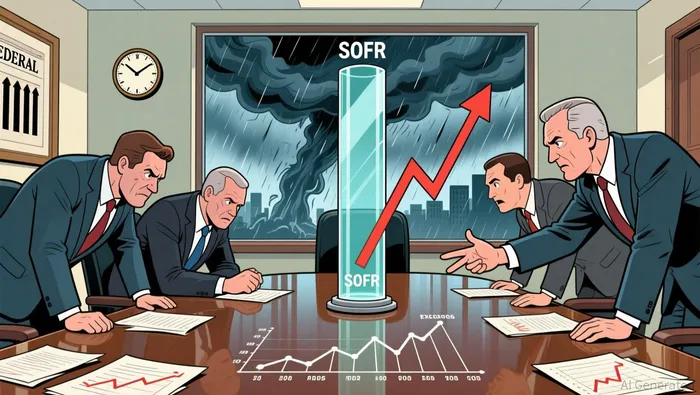
The Federal Open Market Committee's December 9-10 meeting will test whether the Fed prioritizes labor market support or remains focused on curbing inflation amid persistent 3% price pressures and tariff-driven uncertainties.
Bond markets remain sanguine, with the 10-year Treasury yield steady above 4.1% despite Chair Jerome Powell's recent skepticism about a December cut. Investors appear to price in a gradual reduction in rates regardless of the December outcome, reflecting confidence in the Fed's long-term easing trajectory. The 2-year yield, meanwhile, has shown minimal sensitivity to near-term policy expectations, underscoring market conviction that rates will trend toward 3% in 2026.

Conoce rápidamente la historia y el contexto de varias monedas muy conocidas
Latest Articles
Stay ahead of the market.
Get curated U.S. market news, insights and key dates delivered to your inbox.


AInvest
PRO
AInvest
PRO



Comments
No comments yet