
Fed December Rate Cut Faces Delay Amid Rising Inflation and Geopolitical Uncertainty
 Aime Summary
The U.S. Federal Reserve is expected to maintain its benchmark interest rate range of 3.5% to 3.75%, with traders pricing in a near-zero chance of rate cuts in the near term.
Geopolitical tensions in the Middle East, rising oil prices, and persistent inflation are key factors contributing to the delay in monetary easing, with markets now anticipating the first cut in late 2026 or 2027.
Goldman Sachs has revised its forecasts, pushing the expected first rate cut to September and the next to December 2026, citing macroeconomic uncertainties and inflation risks.
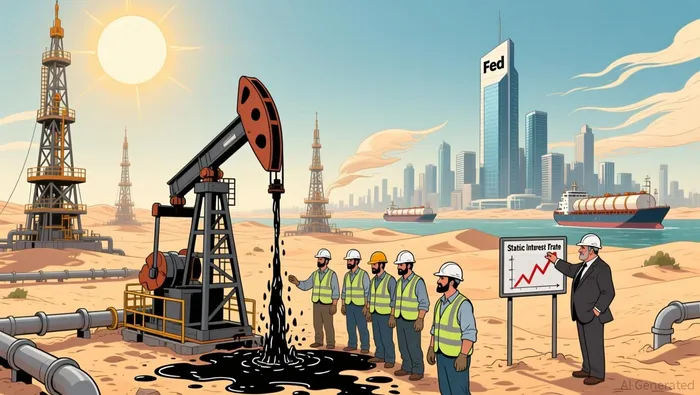
What Factors Are Delaying Fed Rate Cuts?
The Federal Reserve faces mixed economic signals, with inflation remaining a top priority. Rising oil prices and geopolitical tensions, particularly in the Middle East, have increased inflation expectations, making rate cuts less likely in the near term.
Analysts highlight that the U.S. economy remains resilient, which raises the threshold for cuts.
The conflict involving U.S. and Israeli actions against Iran has driven oil prices upward, with crude hovering near $100 per barrel. This development has heightened inflation risks, forcing the Fed to adopt a more cautious stance.
In addition, the uncertainty around potential Fed Chair Jerome Powell’s successor adds complexity to the central bank's communication strategy.
What Impacts Do These Delays Have on Markets and Investors?
Investors and traders are recalibrating their expectations for monetary policy easing. The market now prices in only a single rate cut in December 2026 and no further reductions until 2027.
This shift has implications for global financial markets, with the U.S. dollar losing ground against major currencies as rate cut expectations recede.
The delay in Fed rate cuts also affects global economic outlooks. With inflation risks and geopolitical instability persisting, the Fed is likely to maintain a hawkish stance, which could influence central banks in other major economies.
Analysts caution that a sudden labor market slowdown could override inflation concerns and prompt earlier cuts, but this remains unlikely for now.
What Are the Broader Economic Implications of a Prolonged Pause?
A prolonged pause in rate cuts could prolong economic uncertainty, especially in emerging markets. For instance, Australia's central bank has taken a proactive approach by raising rates for a second consecutive month to combat inflation.
The Fed's potential shift in policy bias to 'neutral' could also affect financial market positioning, with investors closely watching for signals during key policy meetings.
Analysts suggest that if oil prices remain high and inflation persists, the Fed may prioritize price stability over economic growth, further extending the pause.
The coming weeks will be crucial as global markets assess the trajectory of the U.S.-Iran conflict and its potential economic fallout. The stakes are high, with the risk of stagflation or a broader recession increasing if tensions persist. Investors and policymakers alike will monitor developments closely to gauge the next steps in the Fed's monetary policy roadmap.

Blending traditional trading wisdom with cutting-edge cryptocurrency insights.
Latest Articles
Stay ahead of the market.
Get curated U.S. market news, insights and key dates delivered to your inbox.
AInvest
PRO
AInvest
PRO



Comments
No comments yet