
Fed December Rate Cut Exposes Deep Rifts Over Inflation, Labor Risks
 Aime Summary
- The Federal Reserve cut interest rates by 25 basis points in December 2025 amid significant internal dissent. According to the minutes
- Officials unanimously approved a $220 billion liquidity injection to prevent cash shortages during tax season. According to the minutes
- Deep divisions emerged over whether weak job growth or persistent inflation posed greater economic threats. Market analysis indicates
- Uncertainty persists for 2026 policy due to delayed economic data from the recent government shutdown. Data shows
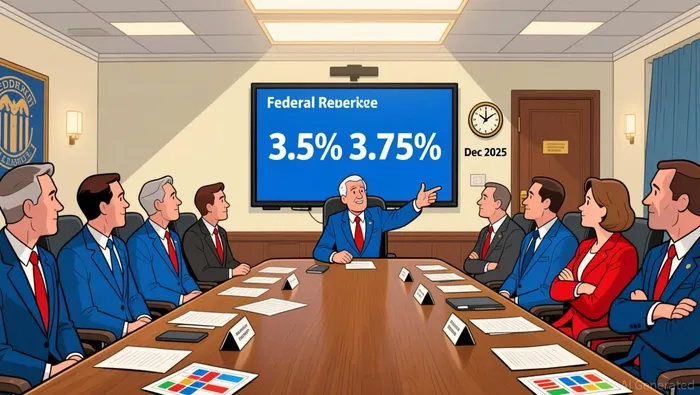
Federal Reserve officials cut interest rates to 3.5%-3.75% in December amid rare public disagreement, with three dissenting votes marking the most opposition since 2019. According to the minutes The 9-3 decision reflected sharp divisions on whether weak labor markets or stubborn inflation demanded greater attention. According to market analysis A separate unanimous move authorized $220 billion in reserve management purchases to address potential cash crunches. According to the minutes This technical measure aims to stabilize financial plumbing rather than stimulate growth. According to the minutes
Why Did the Fed Cut Rates Despite Inflation Concerns?
The majority backed December's rate cut as insurance against softening employment data. According to the minutes Chair Jerome Powell reportedly expressed concerns that labor markets might be deteriorating faster than official figures indicated. According to the minutes Still, two dissenters favored holding rates steady due to inflation hovering above the Fed’s 2% target. According to market analysis A third official argued unsuccessfully for a larger half-point reduction. According to the minutes The gridlock stemmed partly from outdated economic indicators. According to the minutes Key reports remained unavailable during the six-week government shutdown. According to the minutes
What Does the $220 Billion Liquidity Injection Mean for Markets?
The liquidity program targets short-term Treasury purchases to maintain banking system stability. According to the minutes Officials designed this reserve management measure to prevent tax-related cash outflows from depleting reserves next April. According to the minutes Unlike quantitative easing, this technical operation includes removing caps on the standing repo facility. According to the minutes That change provides emergency funding flexibility during stress periods. According to the FOMC minutes The unanimous approval contrasted sharply with the contentious rate-cut debate. According to the minutes Market functioning rather than stimulus drove this consensus. According to the minutes
Will the Fed Pause Rate Cuts in January 2026?
Markets now anticipate a January pause as officials await delayed jobs and inflation data. According to market analysis Ten-year Treasury yields climbed following the minutes’ release, reflecting reduced expectations for near-term easing. According to market analysis Projections reveal stark divides among Fed officials. According to analysis Some foresee zero additional 2026 cuts while others expect multiple reductions. According to Reuters The FOMC’s rotating voter composition in 2026 may further complicate consensus-building. According to market analysis Future decisions remain data-dependent amid lingering inflation and labor uncertainties. According to analysis

Blending traditional trading wisdom with cutting-edge cryptocurrency insights.
Latest Articles
Stay ahead of the market.
Get curated U.S. market news, insights and key dates delivered to your inbox.






Comments
No comments yet