
Fed's Credibility Test: Navigating Rate Splits and Ethics Scandals


 Aime Summary
The Federal Reserve's recent policy deliberations have underscored deepening internal divisions over the path of interest rates, with the central bank's October decision to cut rates by 25 basis points revealing stark disagreements among policymakers about the risks of inflation versus a weakening labor market. The minutes from the October 28-29 meeting, released on November 19, highlighted a 10-2 vote in favor of the reduction, with dissenters split between those advocating for tighter policy and others pushing for more aggressive easing. The split reflects a broader struggle to balance the Fed's dual mandate of price stability and maximum employment, as officials grapple with a stalling jobs market and inflation that remains stubbornly above 2%.
Compounding these challenges is a crisis of confidence in the Fed's ethical oversight, following revelations that former Governor Adriana Kugler violated the central bank's trading rules. Kugler, who resigned abruptly in August to make way for Trump ally Stephen Miran on the Federal Reserve Board, disclosed stock trades in AppleAAPL--, Southwest AirlinesLUV--, and other firms during blackout periods-times when Fed officials are barred from trading. The transactions, revealed in documents released by the Office of Government Ethics, included purchases of Cava Group shares just days before a March 2024 policy meeting and sales of Southwest stock ahead of the April session. The Fed's ethics office referred the matter to its inspector general for investigation, raising fresh questions about accountability at the central bank.
The controversy has intensified calls for reform. Senator Elizabeth Warren, a longtime critic of Fed transparency, reiterated her push for bipartisan legislation to strengthen ethics rules, while Senate Banking Committee Chair Tim Scott warned that the scandal "makes clear that the Fed still doesn't have the guardrails or culture of accountability the American people expect" as reported. The timing is particularly sensitive as the Fed faces mounting pressure to navigate its next moves amid a polarized political landscape. Kugler's resignation not only accelerated Trump's influence on the board but also highlighted vulnerabilities in the Fed's governance, with Miran-a vocal advocate for rapid rate cuts-now holding a seat during a critical period of policy uncertainty.
Looking ahead, the Fed's December meeting remains a focal point. While some officials, including Governor Christopher Waller, argue that a 25-basis-point cut is warranted to insulate the labor market from further deterioration, others caution against easing too soon and risking inflation. The minutes noted that "many participants" saw no need for additional cuts in 2025, a shift that has already caused traders to pare back expectations for a December reduction as shown. 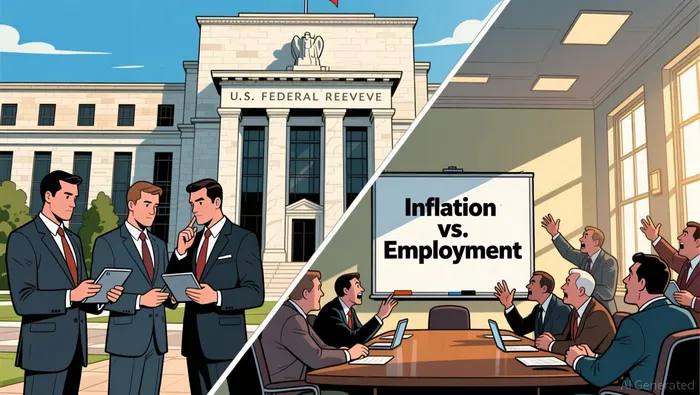 The lack of clarity is exacerbated by the government shutdown, which delayed key economic data releases, leaving policymakers to rely on incomplete information-a situation Waller dismissed as "driving in the fog," though others, like Atlanta Fed President Raphael Bostic, acknowledge the challenges.
As the Fed navigates this complex environment, its credibility faces dual tests: maintaining control over inflation while restoring public trust in its ethical standards. With internal divisions laid bare and external scrutiny intensifying, the central bank's next steps will be scrutinized not just for their economic impact, but for their ability to reinforce the institution's integrity.

Stay ahead of the market.
Get curated U.S. market news, insights and key dates delivered to your inbox.




Comments
No comments yet