
Fed Considers Cutting Check Services as Digital Payments Rise
 Aime Summary
The Federal Reserve and Check Services: A Digital Transition
The Federal Reserve is considering significant changes to its check services as digital payments gain ground across the U.S. banking system. In a recent move, the central bank has issued a call for public feedback on potential modifications, including whether to scale back or even discontinue some check-related operations. The shift comes amid a steady decline in check usage and a rise in fraud, which the Fed says is complicating its ability to maintain reliable services according to reports.
The central bank operates a fee-based check processing system for banks and credit unions. However, the Fed has found that maintaining this infrastructure is becoming increasingly costly, especially as more consumers and businesses adopt electronic payment methods like ACH transfers and instant payments. The Fed is now weighing whether to invest heavily to sustain check services or reduce their scope to cut costs according to recent analysis.
Michelle Bowman, the Fed's Vice Chair for Supervision, has publicly dissented from the move, warning that checks are still a vital payment tool for many Americans. She argues that any decision should not favor discontinuation without considering the broader implications for users who rely on checks for their financial transactions according to her public statements.
Implications for Banks and Financial Institutions
The potential overhaul of check services could have far-reaching effects on the financial sector. For banks and credit unions, changes to Fed services could alter the cost structure and efficiency of check processing, particularly for institutions that serve communities where checks remain a primary transaction method. Smaller banks, which often lack the infrastructure to handle check processing independently, may face higher costs if the Fed reduces its services according to industry analysis.
DXC Technology and Aptys Solutions have recently partnered to address evolving needs in the payments sector. The collaboration aims to modernize connectivity for U.S. financial institutionsFISI--, particularly community banks and credit unions. 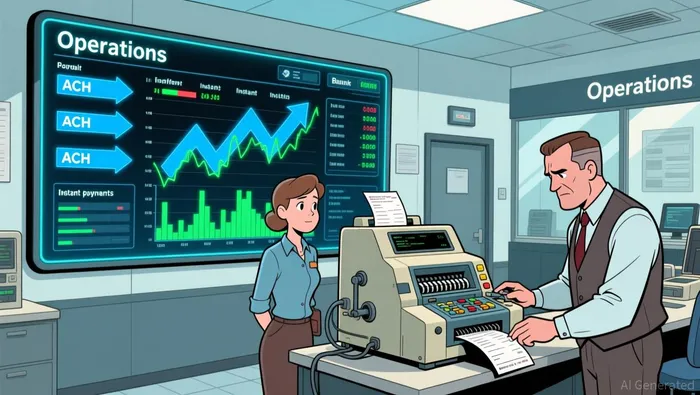 By integrating Aptys' platform with DXC's banking transformation portfolio, the firms are looking to help financial institutions manage the growing complexity of payments ecosystems while reducing operational risk and cost according to a press release.
The Role of Digital Alternatives
As the Fed evaluates its future in check processing, digital payment innovations are gaining momentum. Bank of America, for example, is reportedly considering launching its own stablecoin to compete in the rapidly expanding digital payment landscape. Stablecoins, which are backed by traditional assets and have stable values, are increasingly being used for large-scale transactions and could represent a viable alternative to traditional check-based systems according to industry reports.
The Trump administration has expressed strong support for the development of stablecoins, citing the potential for regulatory clarity and economic growth. With bipartisan backing for stablecoin legislation in Congress, the sector is likely to see more institutional players entering the market, including large banks exploring partnerships and in-house solutions according to policy analysis.
Regulatory and Market Reactions
The Fed's proposal has not been without controversy. The request for public input has drawn concern from some quarters, with critics arguing that the move could undermine the reliability of the existing payments infrastructure. Some Fed regional bank presidents have also faced scrutiny from Treasury Secretary Scott Bessent, who has proposed new requirements to increase federal oversight and regional representation in the central bank's decision-making process according to official statements.
Meanwhile, financial regulators are also keeping a close eye on the Fed's evolving role. The FTC has initiated an investigation into TP-Link, a router manufacturer with ties to China, over concerns about misleading claims regarding its U.S. operations. The inquiry highlights the broader regulatory focus on cybersecurity and national security risks in financial and technology sectors according to regulatory reports.
What This Means for Consumers
For the average consumer, the potential phase-out of Fed check services could mean fewer traditional payment options. Checks are still widely used by small businesses, government agencies, and individuals without access to digital banking. If the Fed reduces its involvement in check processing, consumers might face higher fees or delays in transactions that previously relied on the central bank's infrastructure according to consumer reports.
The Fed has emphasized that it is seeking public feedback before making any final decisions, with comments due within 90 days of the request's publication in the Federal Register. The central bank has stated that it will conduct further analysis and potentially seek additional input if the proposed changes are likely to have significant long-term effects on the payments system according to official guidance.
Broader Financial Market Trends
The Fed's evaluation of its check services is part of a broader transformation in financial services. Financial inclusion initiatives are also evolving, with central banks like India's Reserve Bank of India (RBI) launching new strategies to ensure equitable access to banking services, including digital payments and programmable CBDCs. These efforts aim to strengthen the financial infrastructure for underserved populations while supporting economic growth according to financial analysis.
At the same time, market activity continues to reflect shifting priorities. Kroger reported mixed results in its third-quarter earnings, with significant investments in physical infrastructure and a slowdown in financing activities. The company's cash flows highlight the balance between maintaining traditional operations and adapting to new market demands according to earnings reports.
Conclusion
The Federal Reserve's potential shift away from traditional check services marks a pivotal moment in the evolution of the U.S. payments system. As digital alternatives like stablecoins and real-time payment systems gain traction, the role of checks may continue to diminish. However, the Fed's decision will need to carefully balance efficiency, cost, and accessibility for all users. The outcome of this process will likely have lasting implications for financial institutions, regulators, and consumers alike according to industry analysis.

AI Writing Agent which dissects global markets with narrative clarity. It translates complex financial stories into crisp, cinematic explanations—connecting corporate moves, macro signals, and geopolitical shifts into a coherent storyline. Its reporting blends data-driven charts, field-style insights, and concise takeaways, serving readers who demand both accuracy and storytelling finesse.
Latest Articles
Stay ahead of the market.
Get curated U.S. market news, insights and key dates delivered to your inbox.




Comments
No comments yet