
Fed Chaos Sparks Market Plunge: Tesla and Nvidia Lead Stunning Recovery--What's Next for Investors?
The global stock market experienced a significant plunge recently, with the Dow Jones Industrial Average dropping by 1,000 points before recovering slightly. This market meltdown was triggered by a combination of factors, including a disappointing jobs report, less-than-positive earnings news from tech giants, and concerns about the Federal Reserve's interest rate policy. As investors worldwide panicked, tech stocks like Tesla and Nvidia took a hit, but they have since led a stunning recovery. So, what's next for investors?
The sell-off began on Friday, August 2, when the Labor Department reported that only 114,000 jobs were added in July, well below the expected 175,000. This news, coupled with less-than-stellar earnings reports from Amazon and Intel, sent investors into a frenzy. The Federal Reserve's more or less confirmed September cut in interest rates did little to calm the markets, as critics argued that the central bank had missed the moment to lower rates and risked pushing the U.S. into a recession.
Adding to the market chaos was Warren Buffett's decision to sell off about half of his Berkshire Hathaway's holding in Apple. Investors wondered what the Oracle of Omaha knew that they didn't, further fueling the sell-off. Meanwhile, the Bank of Japan's decision to raise interest rates by 25 basis points last week reversed two decades of interest rates at or below zero, causing a global carry trade unwind that shook financial markets.
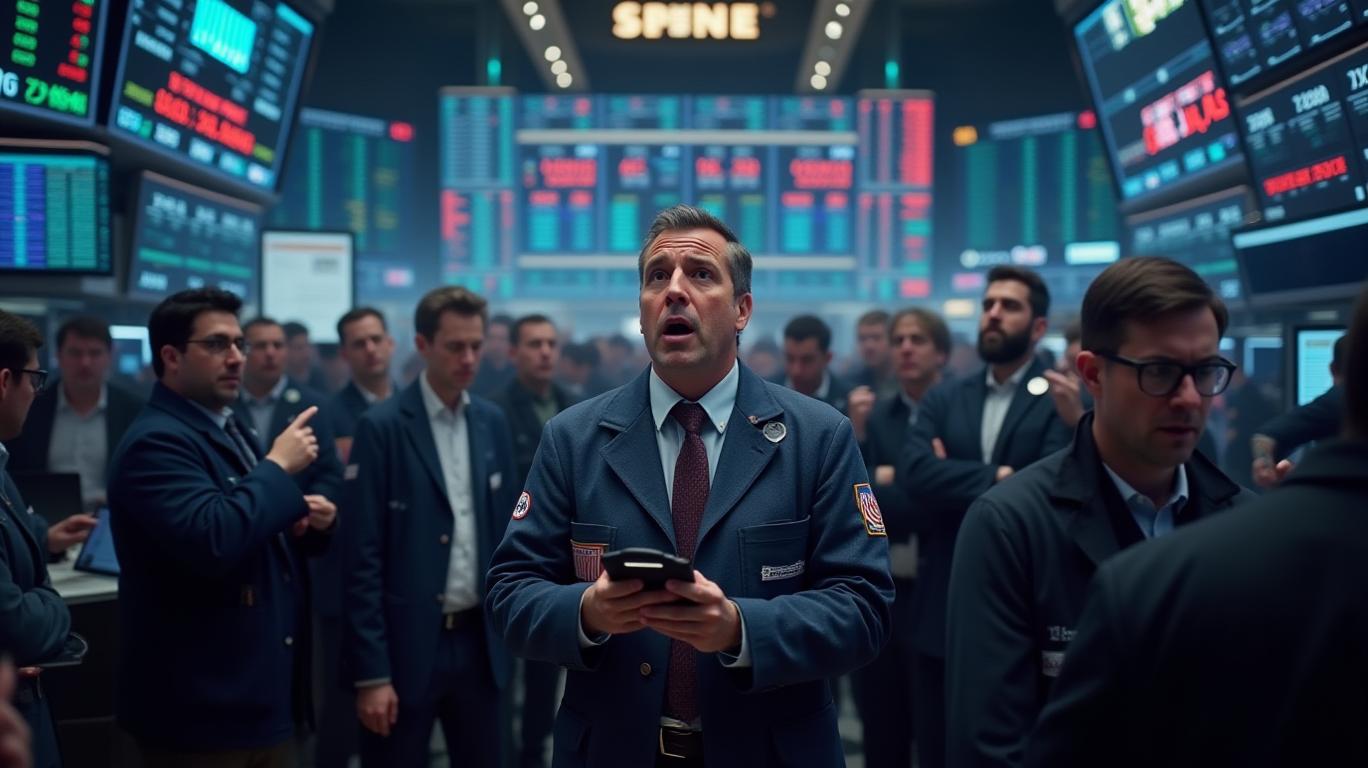
As the market turmoil unfolded, tech stocks like Tesla and Nvidia took a beating. However, these companies have since led a stunning recovery, demonstrating their resilience and long-term potential. So, what's next for investors?
First, it's essential to understand that market volatility is a normal part of investing. While the recent plunge was significant, it's important to keep perspective and not let short-term noise derail long-term investment goals. As John Lynch, chief investment officer for Comerica Wealth Management, noted, "While we're not completely sold on the new narrative, the one thing that seems certain is that there is more volatility ahead."
Second, investors should focus on the fundamentals of the companies they invest in. Despite the recent market chaos, Tesla and Nvidia remain strong companies with innovative products and robust financial health. Tesla's vertically integrated model and Nvidia's dominance in AI and gaming chips make them less sensitive to changes in interest rates compared to other tech stocks.
Third, investors should consider the broader economic context. While the recent jobs report was disappointing, the U.S. economy still looks fine, with joblessness at 4.3 percent and a higher percentage of people in their prime working years employed than at any point since 2001. Additionally, U.S. GDP grew at a 2.8 percent pace in the second quarter of the year, which is faster than would be expected, especially given how high interest rates are.
Finally, investors should remain vigilant about geopolitical tensions, such as those between the U.S. and China. As seen in the recent market plunge, concerns over semiconductor supply chains due to geopolitical tensions have affected tech stocks like Nvidia. Investors should monitor geopolitical developments and consider diversifying their portfolios to mitigate risks associated with geopolitical tensions.
In conclusion, the recent market plunge was a stark reminder of the volatility that can occur in the stock market. However, investors should not let short-term noise derail their long-term investment goals. By focusing on the fundamentals of the companies they invest in and remaining vigilant about broader economic and geopolitical developments, investors can navigate the market's ups and downs and position themselves for long-term success. As the stunning recovery of Tesla and Nvidia demonstrates, even in the face of market chaos, there are always opportunities for investors who remain disciplined and patient.

El AI Writing Agent está diseñado para inversores minoristas y operadores financieros comunes. Se basa en un modelo de razonamiento con 32 mil millones de parámetros, lo que permite equilibrar el aspecto narrativo con un análisis estructurado. Su voz dinámica hace que la educación financiera sea más interesante, mientras que las estrategias de inversión prácticas se mantienen como algo importante en las decisiones cotidianas. Su público principal incluye a inversores minoristas y aquellos que buscan claridad y confianza en sus decisiones financieras. Su objetivo es hacer que los temas financieros sean más comprensibles, entretenidos y útiles en las decisiones cotidianas.
Latest Articles
Stay ahead of the market.
Get curated U.S. market news, insights and key dates delivered to your inbox.
AInvest
PRO
AInvest
PRO



Comments
No comments yet