
Fed Chair Powell Rules Out July Rate Cut Amid Tariff Inflation Concerns
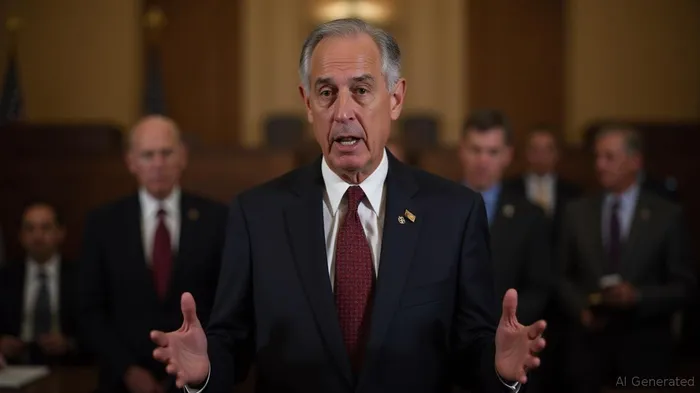
Federal Reserve Chair Jerome Powell, on June 18, 2025, ruled out the possibility of a rate cut in July, emphasizing the central bank's commitment to a data-driven policy. Powell's remarks, made during his testimony before Congress, underscored the Fed's dedication to maintaining price stability and its independence from political pressures. He highlighted the resilience of the U.S. labor market and the central bank's mandate to keep inflation under control, explicitly ruling out the possibility of a rate cut at the Fed’s July meeting.
Powell's stance comes despite pressure from President Trump and some colleagues to act sooner. The Fed's decision to hold off on rate cuts is driven by the expectation that higher tariffs enacted this year will feed through into consumer prices by mid-summer. Powell emphasized that the central bank must wait for clear evidence of tariff-driven inflation before entertaining rate cuts. This cautious approach is aimed at preventing premature easing, which could jeopardize price stability.
Market reactions to Powell's remarks were swift. Investors scaled back expectations for a July rate cut and boosted odds for easing in September. The Fed's communications blackout, which begins June 7, will limit public guidance, potentially increasing uncertainty and speculation about future policy moves. However, Powell's focus on waiting for clear evidence of tariff-driven inflation helps anchor inflation expectations, supporting long-term price stability and market confidence.
The Fed's patient, data-driven approach reassures markets that policy decisions will be carefully considered, reducing the risk of premature or destabilizing rate moves. By maintaining neutrality on trade policy and focusing solely on inflation impacts, the Fed preserves its independence and credibility, which is positive for market stability. This approach allows the Fed to respond flexibly to changing conditions without being forced into hasty decisions by political pressure.
However, Powell's insistence on waiting for tariff effects to show up in inflation data means that any rate relief could be delayed, potentially prolonging higher borrowing costs for consumers and businesses. If tariff-driven price increases prove persistent rather than transitory, the Fed may be forced to keep rates higher for longer, weighing on economic growth and market sentiment. Ongoing uncertainty over tariff negotiations and their impact on inflation creates a murky outlook for investors, who may remain cautious and risk-averse until clarity emerges.
Political pressure from the White House for rate cuts could undermine Fed independence and fuel market volatility if policymakers appear to be influenced by external demands. With the Fed communications blackout beginning soon, public guidance will be limited, potentially increasing uncertainty and speculation about future policy moves. If inflation data in June and July show significant tariff pass-through, the risk of a policy mistake—either cutting rates too soon or delaying too long—could grow, threatening both price stability and economic growth.
In his prepared testimony, Powell noted that tariff-driven price rises could be transitory or persistent, and the Fed stands ready to adjust its stance once the effects become clearer. Despite calls from the White House for steep and immediate rate reductions, Powell made clear that monetary policy would not endorse or criticize trade decisions, but would react only to their inflationary consequences. He reaffirmed that ongoing uncertainty over tariff negotiations justifies a wait-and-see approach.
Powell's statement prompts concerns over asset volatility, particularly in cryptocurrency markets. The decision affects multiple sectors, notably cryptocurrencies, due to the prospect of "higher for longer" rates. Higher rates curb speculative capital flows, impacting assets like BTC and ETH. Stablecoin pools and DeFi protocols face potential setbacks as traditional financial yields remain attractive.
Historical patterns reveal prolonged hawkish stances correlate with pressure on high-beta assets, exemplified by BTC and ETH struggles under past rate steadiness. When the Fed maintained a hawkish stance in 2022, digital tokens faced adverse outcomes with extended downside trends. Understanding the possible outcomes hinges on analyzing financial and regulatory landscapes. Persistent high-rate environments can suppress speculative investment, stymying growth in risk assets. Regulatory stances remain unchanged, offering no new directives following Powell's remarks.

Stay ahead of the market.
Get curated U.S. market news, insights and key dates delivered to your inbox.


AInvest
PRO
AInvest
PRO



Comments
No comments yet