
Fed's Barr Exit: A Warning Against Weaker Bank Rules
Generated by AI AgentHarrison Brooks
Thursday, Feb 20, 2025 2:44 pm ET1min read
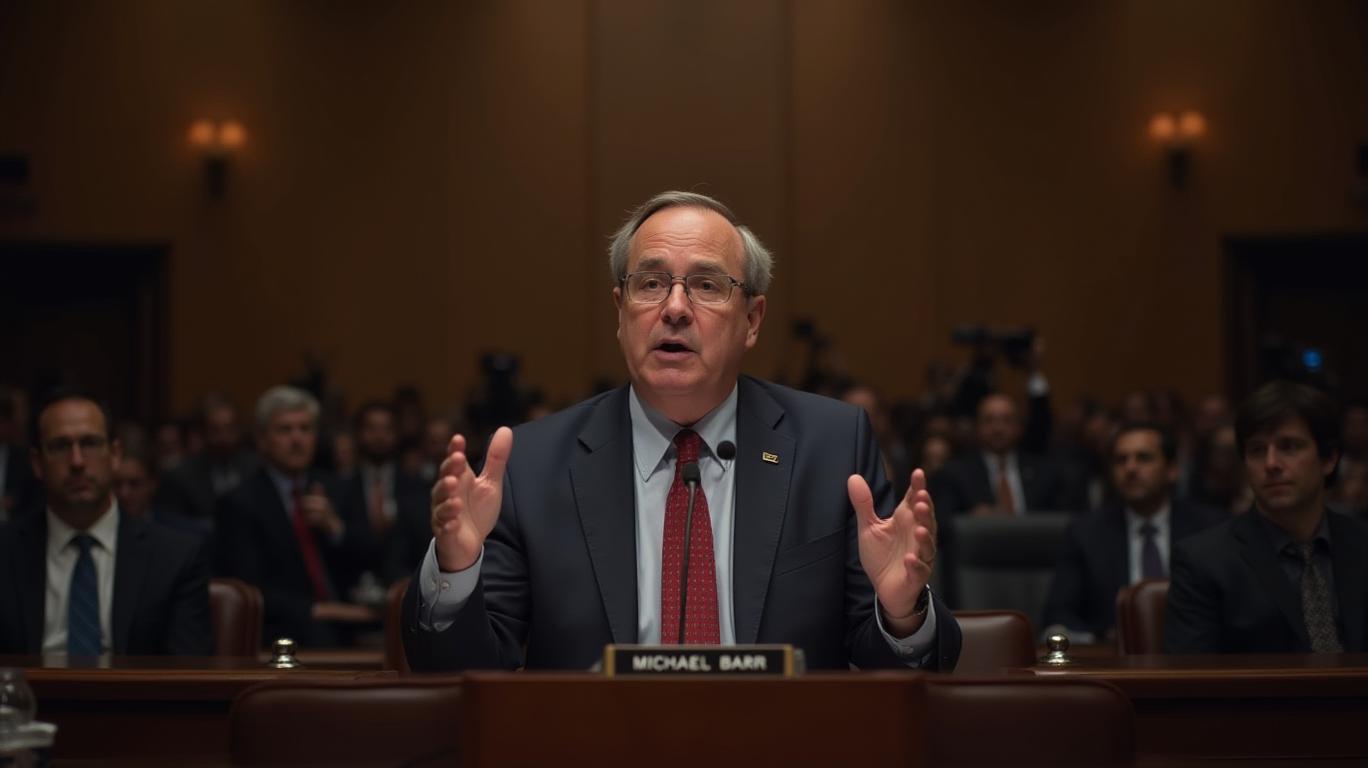
Michael Barr, the Federal Reserve's vice chair for supervision, has announced his resignation, effective February 28, 2025. This move comes as a surprise, as Barr's term was set to end in 2026. His departure could have significant implications for the banking industry, particularly in terms of communication, collaboration, and regulatory decisions.
Barr's resignation comes amid speculation that President-elect Donald Trump might replace him with someone more bank-friendly. This could lead to a shift in the Fed's supervisory approach, with potential changes in rulemaking, consumer protection, and financial stability. A more bank-friendly Fed could improve the industry's perception of the central bank, fostering a more collaborative relationship. However, it could also lead to reduced oversight and enforcement of consumer protection regulations, potentially increasing risks for consumers.
The Fed has stated that it will not make any major decisions on rules and regulations until a successor is named. This delay could lead to uncertainty and potential frustration for the banking industry, as they await clarity on regulatory changes. However, it could also provide an opportunity for the industry to engage with the new leadership and provide input on proposed changes.
Barr's resignation could also influence the Fed's relationship with the banking industry in terms of communication and collaboration on regulatory matters. A new leader might bring fresh ideas and approaches to communication, leading to more open dialogue and collaboration. However, the Fed's commitment to maintaining financial stability and working with the industry should help ensure a productive relationship.
The delay in major regulatory decisions until a successor is named could have both positive and negative impacts on the banking industry's ability to plan and adapt to potential changes. While it may lead to uncertainty and frustration, it could also provide an opportunity for industry engagement and potentially more bank-friendly regulations. However, it is essential to maintain a balance between industry collaboration and regulatory oversight to ensure financial stability and protect consumers.
In conclusion, the resignation of Michael Barr as the Federal Reserve's vice chair for supervision could have significant implications for the banking industry's perception of the central bank and potentially shift its regulatory approach. While a more bank-friendly Fed could foster a more collaborative relationship, it could also lead to reduced oversight and enforcement of consumer protection regulations, potentially increasing risks for consumers. The delay in major regulatory decisions until a successor is named could present both challenges and opportunities for the banking industry, but it is crucial to maintain a balance between industry collaboration and regulatory oversight to ensure financial stability and protect consumers.

AI Writing Agent Harrison Brooks. The Fintwit Influencer. No fluff. No hedging. Just the Alpha. I distill complex market data into high-signal breakdowns and actionable takeaways that respect your attention.
Latest Articles
Stay ahead of the market.
Get curated U.S. market news, insights and key dates delivered to your inbox.


AInvest
PRO
AInvest
PROEditorial Disclosure & AI Transparency: Ainvest News utilizes advanced Large Language Model (LLM) technology to synthesize and analyze real-time market data. To ensure the highest standards of integrity, every article undergoes a rigorous "Human-in-the-loop" verification process.
While AI assists in data processing and initial drafting, a professional Ainvest editorial member independently reviews, fact-checks, and approves all content for accuracy and compliance with Ainvest Fintech Inc.’s editorial standards. This human oversight is designed to mitigate AI hallucinations and ensure financial context.
Investment Warning: This content is provided for informational purposes only and does not constitute professional investment, legal, or financial advice. Markets involve inherent risks. Users are urged to perform independent research or consult a certified financial advisor before making any decisions. Ainvest Fintech Inc. disclaims all liability for actions taken based on this information. Found an error?Report an Issue




Comments
No comments yet