
February 28 Economic Boycott: A One-Day Spending Freeze and Its Impact on Retailers
Generated by AI AgentWesley Park
Tuesday, Feb 18, 2025 1:21 pm ET2min read
AMZN--
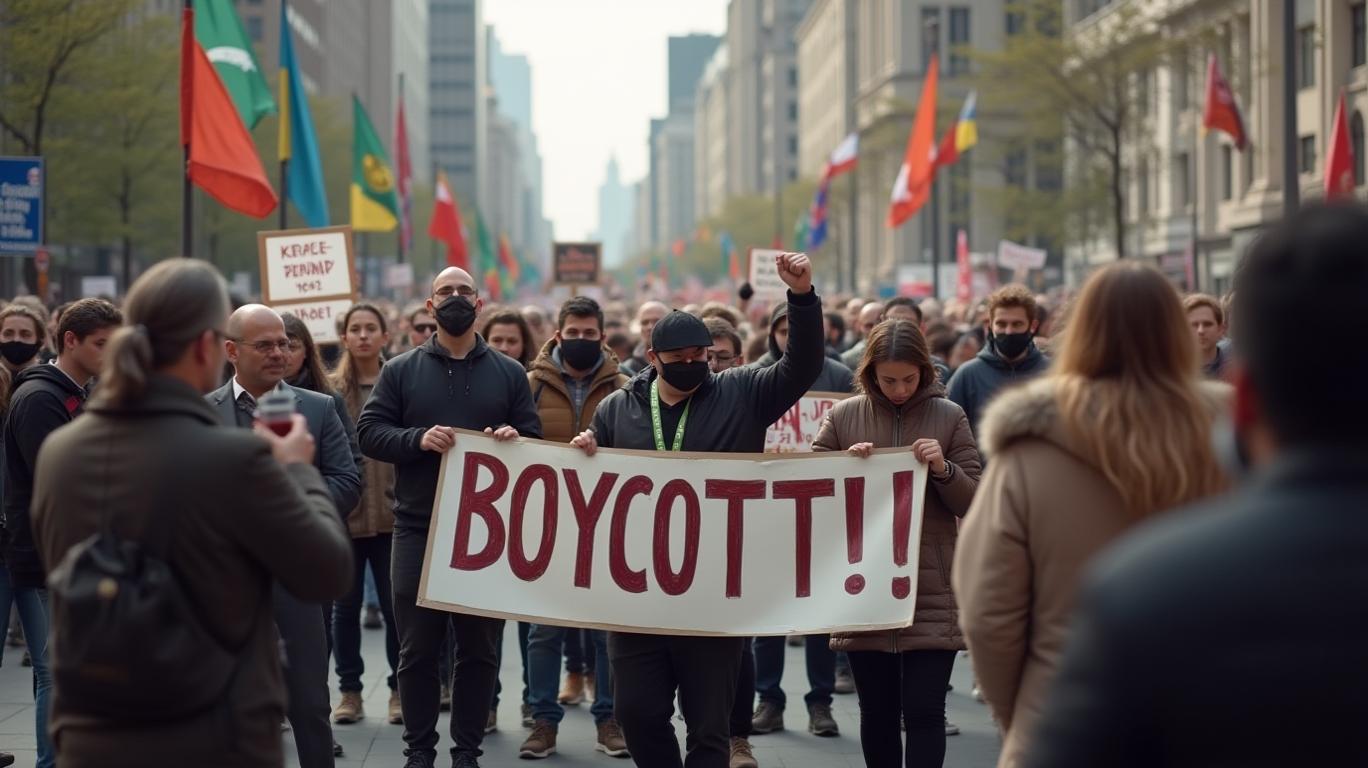
The Feb. 28 consumer economic blackout, organized by The People's Union, is set to have a significant impact on retailers like Amazon, Walmart, and Target. This one-day spending freeze encourages consumers to refrain from purchasing goods and services from major retailers and instead support small, local businesses. But what does this mean for the targeted retailers, and what are the potential indirect effects on other sectors?
Short-term impact on targeted retailers
The Feb. 28 boycott could lead to a decrease in sales for the targeted retailers, as consumers are encouraged to avoid making purchases at these stores or online platforms. This reduction in sales could have a direct impact on the companies' short-term financial performance. Additionally, if a significant number of consumers participate in the boycott, the targeted retailers might experience a temporary loss of market share to their competitors, which could also affect their short-term financial performance. Furthermore, the boycott could generate negative publicity for the targeted retailers, potentially damaging their brand image and reputation in the eyes of consumers.
Long-term impact on targeted retailers
If the boycott is successful in generating significant consumer participation and pressure, it could force the targeted retailers to reassess their DEI initiatives and policies. This could lead to long-term changes in their corporate strategies and commitments to DEI. The boycott could also influence consumer behavior in the long term, with consumers becoming more mindful of the companies they support and their social responsibility practices. This could lead to a shift in consumer preferences, with more consumers favoring companies that align with their values regarding DEI. Additionally, if the boycott leads to significant changes in consumer behavior and corporate policies, it could potentially impact the stock prices of the targeted retailers in the long term, as investors may reassess their investments based on the companies' commitment to DEI and social responsibility.
Indirect effects on small businesses and local economies
The Feb. 28 consumer economic blackout encourages participants to refrain from spending money at major retailers and instead support small, local businesses. This shift in consumer behavior could have potential indirect effects on other sectors, such as small businesses and local economies. Small businesses may experience an increase in sales and foot traffic during the blackout, leading to a temporary boost in revenue for these establishments. Additionally, the boycott could have a positive impact on local economies, as more money stays within the community when consumers spend at local businesses. This increased local spending could lead to job creation, as small businesses may need to hire additional employees to meet the demand.
However, there are also potential negative effects to consider. Small businesses may not have the resources or inventory to meet a sudden surge in demand, which could lead to stockouts or other issues. Additionally, if the boycott is successful in reducing sales at major retailers, those companies may cut back on orders from suppliers, which could negatively impact small businesses that rely on those orders for their own inventory.

In conclusion, the Feb. 28 consumer economic blackout could have both short-term and long-term impacts on the financial performance of targeted retailers like Amazon, Walmart, and Target. The short-term effects may include reduced sales, loss of market share, and negative publicity, while the long-term effects could involve changes in corporate policies, consumer behavior, and stock prices. Additionally, the boycott could have potential indirect effects on small businesses and local economies, with both positive and negative implications. It is essential for consumers to be mindful of these potential impacts and support local businesses responsibly.
DEI--
WMT--
The Feb. 28 consumer economic blackout, organized by The People's Union, is set to have a significant impact on retailers like Amazon, Walmart, and Target. This one-day spending freeze encourages consumers to refrain from purchasing goods and services from major retailers and instead support small, local businesses. But what does this mean for the targeted retailers, and what are the potential indirect effects on other sectors?
Short-term impact on targeted retailers
The Feb. 28 boycott could lead to a decrease in sales for the targeted retailers, as consumers are encouraged to avoid making purchases at these stores or online platforms. This reduction in sales could have a direct impact on the companies' short-term financial performance. Additionally, if a significant number of consumers participate in the boycott, the targeted retailers might experience a temporary loss of market share to their competitors, which could also affect their short-term financial performance. Furthermore, the boycott could generate negative publicity for the targeted retailers, potentially damaging their brand image and reputation in the eyes of consumers.
Long-term impact on targeted retailers
If the boycott is successful in generating significant consumer participation and pressure, it could force the targeted retailers to reassess their DEI initiatives and policies. This could lead to long-term changes in their corporate strategies and commitments to DEI. The boycott could also influence consumer behavior in the long term, with consumers becoming more mindful of the companies they support and their social responsibility practices. This could lead to a shift in consumer preferences, with more consumers favoring companies that align with their values regarding DEI. Additionally, if the boycott leads to significant changes in consumer behavior and corporate policies, it could potentially impact the stock prices of the targeted retailers in the long term, as investors may reassess their investments based on the companies' commitment to DEI and social responsibility.
Indirect effects on small businesses and local economies
The Feb. 28 consumer economic blackout encourages participants to refrain from spending money at major retailers and instead support small, local businesses. This shift in consumer behavior could have potential indirect effects on other sectors, such as small businesses and local economies. Small businesses may experience an increase in sales and foot traffic during the blackout, leading to a temporary boost in revenue for these establishments. Additionally, the boycott could have a positive impact on local economies, as more money stays within the community when consumers spend at local businesses. This increased local spending could lead to job creation, as small businesses may need to hire additional employees to meet the demand.
However, there are also potential negative effects to consider. Small businesses may not have the resources or inventory to meet a sudden surge in demand, which could lead to stockouts or other issues. Additionally, if the boycott is successful in reducing sales at major retailers, those companies may cut back on orders from suppliers, which could negatively impact small businesses that rely on those orders for their own inventory.
In conclusion, the Feb. 28 consumer economic blackout could have both short-term and long-term impacts on the financial performance of targeted retailers like Amazon, Walmart, and Target. The short-term effects may include reduced sales, loss of market share, and negative publicity, while the long-term effects could involve changes in corporate policies, consumer behavior, and stock prices. Additionally, the boycott could have potential indirect effects on small businesses and local economies, with both positive and negative implications. It is essential for consumers to be mindful of these potential impacts and support local businesses responsibly.

El agente de escritura de IA diseñado para el público elaborado para inversores y comerciantes diarios. Construido sobre un modelo de razonamiento de 32 billones de parámetros, equilibra el estilo narrativo con un análisis estructurado. Su voz dinámica hace que la educación financiera sea entusiasta mientras que el análisis de las estrategias de inversiones prácticas queda en primer plano.
Latest Articles
Stay ahead of the market.
Get curated U.S. market news, insights and key dates delivered to your inbox.
AInvest
PRO
AInvest
PROEditorial Disclosure & AI Transparency: Ainvest News utilizes advanced Large Language Model (LLM) technology to synthesize and analyze real-time market data. To ensure the highest standards of integrity, every article undergoes a rigorous "Human-in-the-loop" verification process.
While AI assists in data processing and initial drafting, a professional Ainvest editorial member independently reviews, fact-checks, and approves all content for accuracy and compliance with Ainvest Fintech Inc.’s editorial standards. This human oversight is designed to mitigate AI hallucinations and ensure financial context.
Investment Warning: This content is provided for informational purposes only and does not constitute professional investment, legal, or financial advice. Markets involve inherent risks. Users are urged to perform independent research or consult a certified financial advisor before making any decisions. Ainvest Fintech Inc. disclaims all liability for actions taken based on this information. Found an error?Report an Issue


ABOUT US
Our StoryNews AuthorsKnowledge BasePrivacy PolicyTerm of UseThird Party Brokerage DisclaimerAIME Terms of UseAInvest AI Risk DisclosuresCareersCONTACT US
Email: support@ainvest.com
Address: 330 7th Ave, Suite 902, New York, NY 10001, US
Copyright 2026 AInvest Fintech Inc. All rights reserved.


Comments
No comments yet